Story
 March 20, 2026
Belonging in Rhythm: How the Sheedi Assert Identity Against Erasure
Country:

Pakistan’s Sheedi community reclaims its African heritage at the Sheedi Mela—playing African beats...
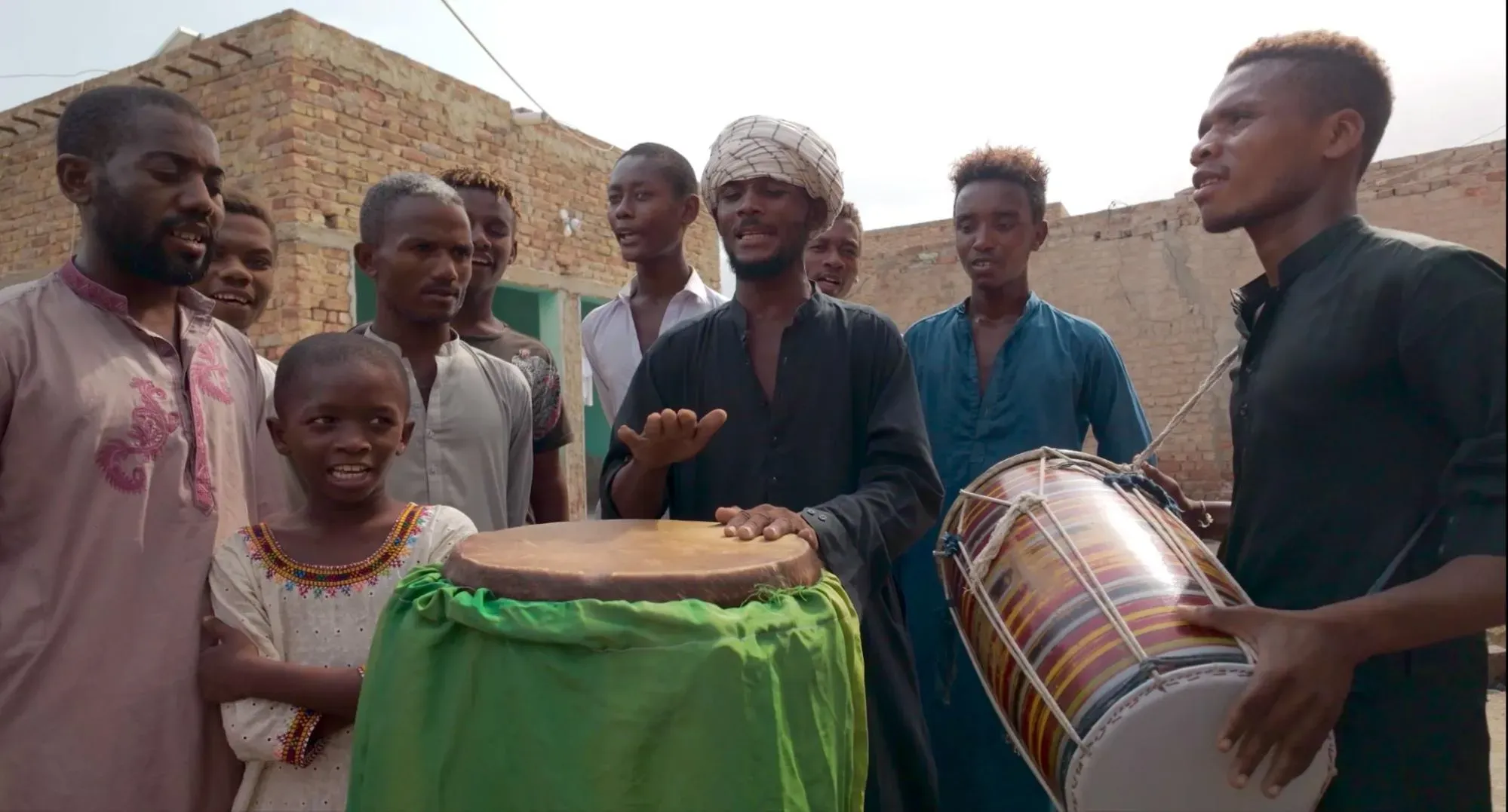
The Afro-descended Sheedi in Pakistan gather every year during the Sheedi Mela to celebrate the community’s resilience.
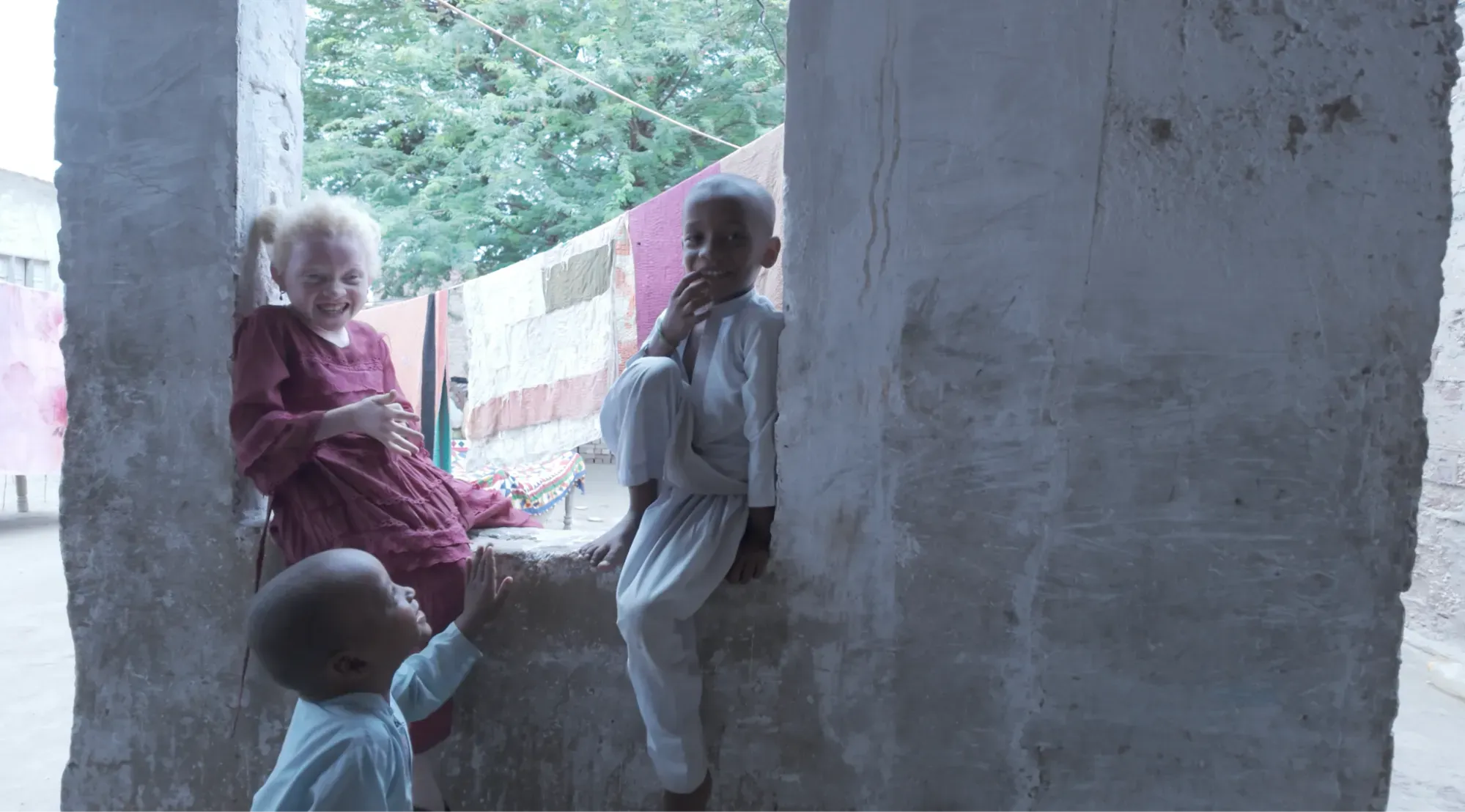
On humid nights in Tando Bago, the steady thrum of the Magarman drum cuts through the darkness. Its sound is not entertainment but a summons, a call that reverberates across generations, pulling people back to something older than memory itself. Women gather around the drum, their voices rising in Sindhi songs threaded with faint echoes of once-Swahili rhythms, fragments of a language lost but not forgotten. Men step barefoot into the circle, joining in chants and movement. Children laugh and dart at the edges, watching rituals that have carried their community through centuries of rupture, survival, and resilience.
This is the Sheedi Mela, an annual festival in Pakistan’s Sindh province where the Afro-descended Sheedi community asserts its presence against erasure. For the Sheedis, the Mela is not a spectacle. It is prayer, testimony, and resistance. It is a living archive that insists: We are still here.
Tracing Ancestry Across the Ocean
The Sheedis trace their ancestry to East Africa, carried to South Asia through centuries of Indian Ocean crossings. Some arrived as sailors and traders, building livelihoods along the ports of Gujarat and Sindh. Others were recruited as soldiers, prized for their skill and loyalty. Many, however, were forcibly transported as slaves—uprooted from Zanzibar, Mozambique, Ethiopia, and the Swahili Coast, then sold into households and military ranks across the subcontinent.
History remembers extraordinary figures like Malik Ambar, the Ethiopian boy enslaved in Yemen who rose to become a statesman in the Deccan, reshaping politics and commanding armies. But behind him are thousands whose names never entered the record, their identities fractured by enslavement and displacement.
Today, Pakistan’s Sheedis number in the tens of thousands, concentrated in areas like Karachi and Badin. They are citizens of Pakistan, yet, they say, their darker skin and African features mark them as outsiders. As elders of the community recall, generations of discrimination have pushed them to the margins, leaving their history excluded from classrooms and their identity contested in daily life—from being slotted into caste-like roles and denied rental housing to being questioned about their “real” origins during job interviews or pressured at election time by local power brokers. Within this context, the Sheedi Mela becomes more than tradition: It is a declaration of belonging, a reminder to both themselves and others that they have always been here.
Rituals as Survival
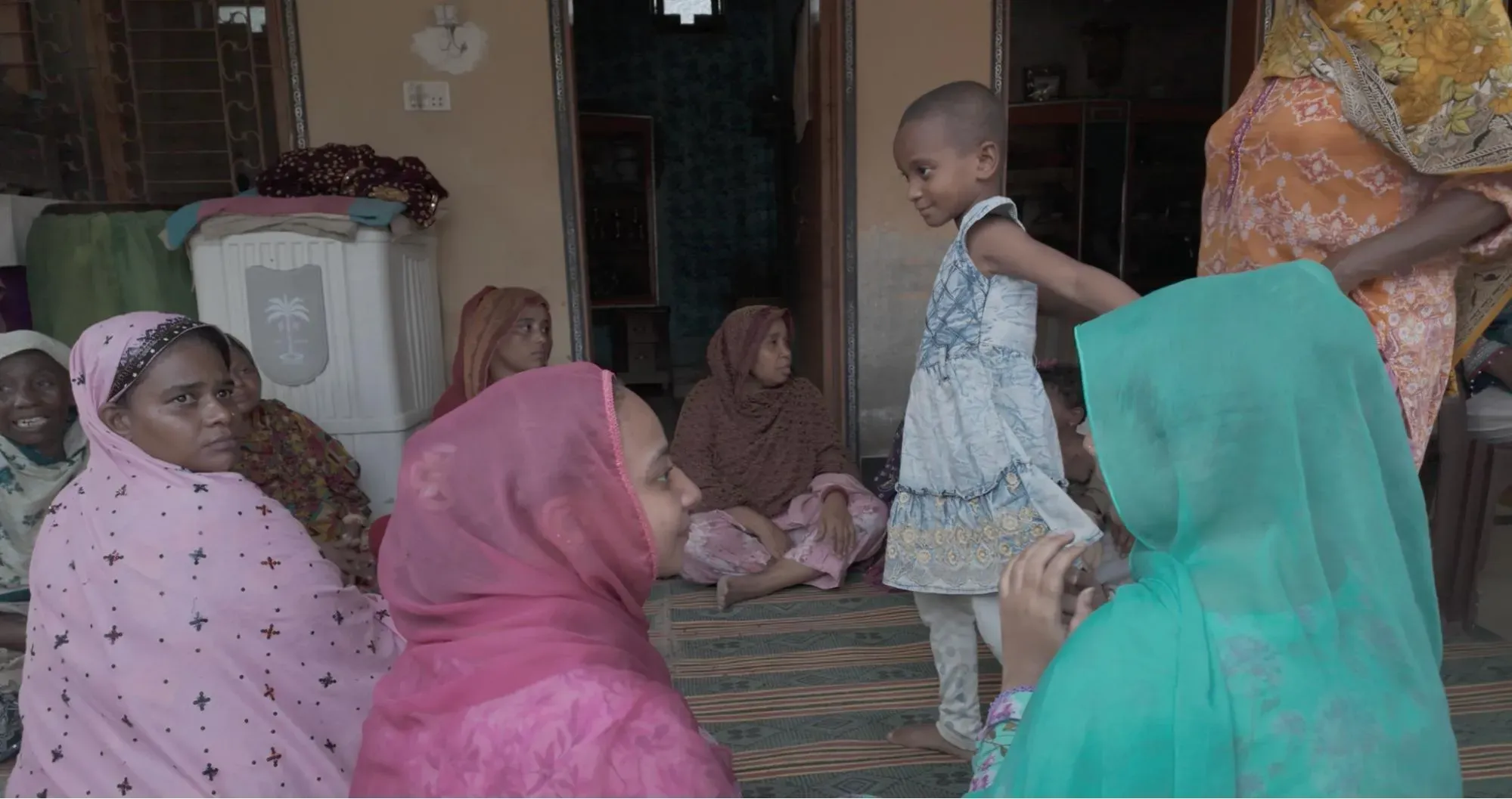
For many Sheedis, family histories begin with rupture. Enslavement is not distant but an inherited memory. Oral traditions recall families seized together, women and men alike, torn from their homes with no chance to return.
Bibi Qambrani carries those memories in her body. She is not yet 75, though she cannot say her exact age—she has no birth certificate to prove it. She was born into a life of slavery under the Talpurs, the ruling dynasty of Sindh, and only freed in adulthood. Her life spans both slavery and freedom, and with it, the determination that her children would never face what she had endured. “The whole family—everyone together—was taken,” she recalls of the stories passed down. “Women were often seized in greater numbers, sometimes the youngest first, but men were also taken away. No one was spared.”
Out of this violence, the Sheedi believe that rituals became medicine. One of the most enduring is Daade Randh, a cultural performance that traveled with the Sheedis from Africa to Sindh. It is part dance, part game, part negotiation of peace. “Daade Randh is not just a game,” Qambrani explains. “It is joy, identity, and togetherness. It has always been part of our weddings and celebrations.”
Khizar Hayat, 23, an organizer of the festival, emphasizes its deeper role. “The purpose of the game was to end disputes. After it was played, everyone embraced, drank tea or coffee, and united. This is not entertainment. It is worship.”
Lost Languages, Living Traditions
Even if rituals endured, language did not. Once, Swahili words threaded through chants and songs, binding Sheedis to their African roots. Over time, these words faded, replaced by Sindhi and Urdu. “We don’t use the African language now, and we don’t know it,” says Ghulam Rasheed, an 80-year-old elder from Tando Bago. “Our elders spoke it when they first came from Zanzibar and other places. About 150 or 200 years ago, the Talpur rulers forbade us from speaking Swahili because they feared we would have solidarity amongst ourselves and form unions to rebel against them. They wanted to break us so that we could never rise against slavery. That’s why the language was lost.”
For Rasheed, the silence is a wound. “Of course, I wished to learn,” he admits. “But now I’m too old. What can I learn now? But our children—they should know as many languages as possible.”
Elders from the community believe that the suppression of Swahili was more than linguistic control; it was an attempt to sever memory. The Mela, however, continues to function as a counter-history—a place where language may be absent but rhythm, movement, and solidarity speak louder than words.
Discrimination and the Burden of Self
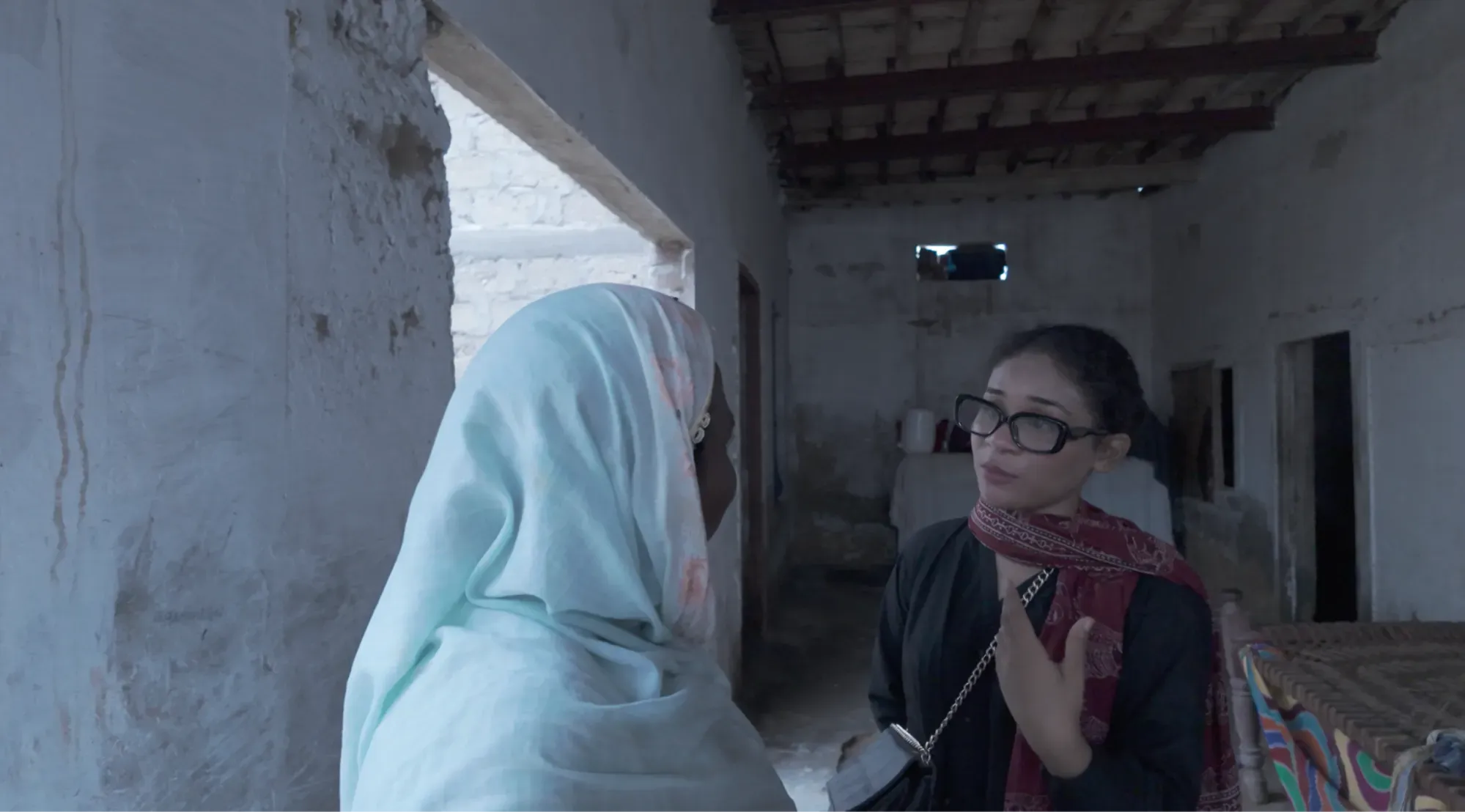
For Isra Abdul Ghafoor, 25, growing up Sheedi meant learning exclusion intimately. “In small towns, the word ‘Sheedi’ was used like an insult,” she recalls. “If someone wanted to humiliate you, they would call you that. It made us feel we didn’t belong.”
Girls in her community learned early that beauty was survival. Skin-lightening creams, hair-straightening treatments, and borrowed fashions became strategies of erasure, attempts to conform to a society that equated worth with whiteness. But Ghafoor’s deepest struggle was private. “I used to pray wazifahs (prayers),” she says softly, “and believe that maybe by morning I would wake up lighter, with straighter hair, with features people called beautiful.”
Night after night, she whispered these prayers, bargaining with God for transformation. Ghafoor believes that such prayers reveal the cruelty of racism: its power to turn selfhood into something negotiable, something to be undone. “When you are young, you don’t realize society is wrong,” Ghafoor explains. “You think maybe God made a mistake with you.”
Her turning point came in Karachi. There, she entered modeling almost by accident. “I thought people would laugh at me,” she says. “Instead, strangers told me: ‘You’re beautiful.’ For the first time, I believed it.” Modeling became a mirror she had never seen before. “When people asked me to hold my head high, when they treated my skin and hair as something to celebrate, I began to think—maybe all those years, I wasn’t ugly. Maybe it was society that was wrong.”
Through this, Ghafoor found the foundation of self-love. “If you feel beautiful, if you love yourself as you are, then everything changes. You start to love your community, your environment, your town. But for the longest time, I couldn’t see that—I couldn’t see beauty in myself, so I couldn’t see it around me either.”
Drums as Memory, Drums as Future
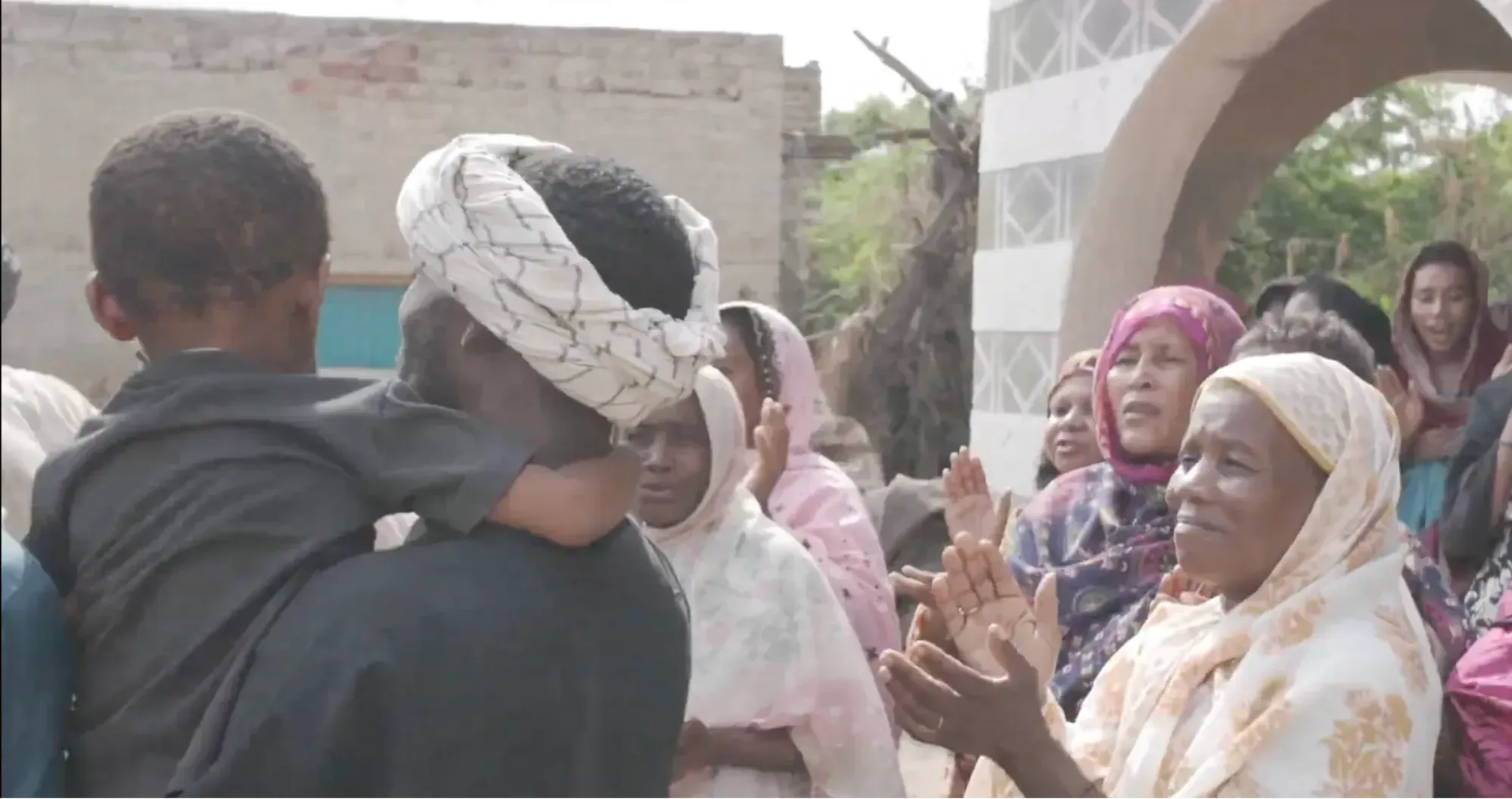
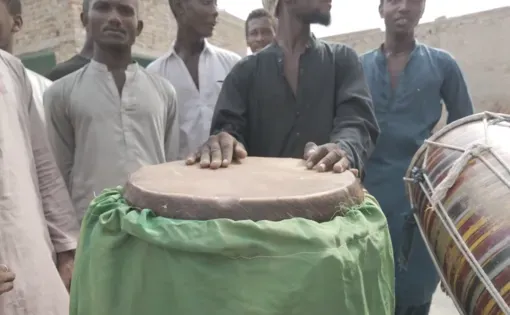
If Ghafoor’s story reveals the intimate wounds of exclusion, the Sheedi Mela is where those wounds are bandaged in rhythm. The festival begins in sound: first the deep, steady pulse of the Magarman, the African drum that anchors everything, then the bright metallic clang of the South Asian dhol, its rhythms sharp enough to cut through the humid night air. The two instruments do not compete. They converse. One carries the memory of the ocean, the other the texture of the soil. Together they remind the Sheedis that they are of two worlds, claimed by both continents and yet sometimes fully embraced by neither.
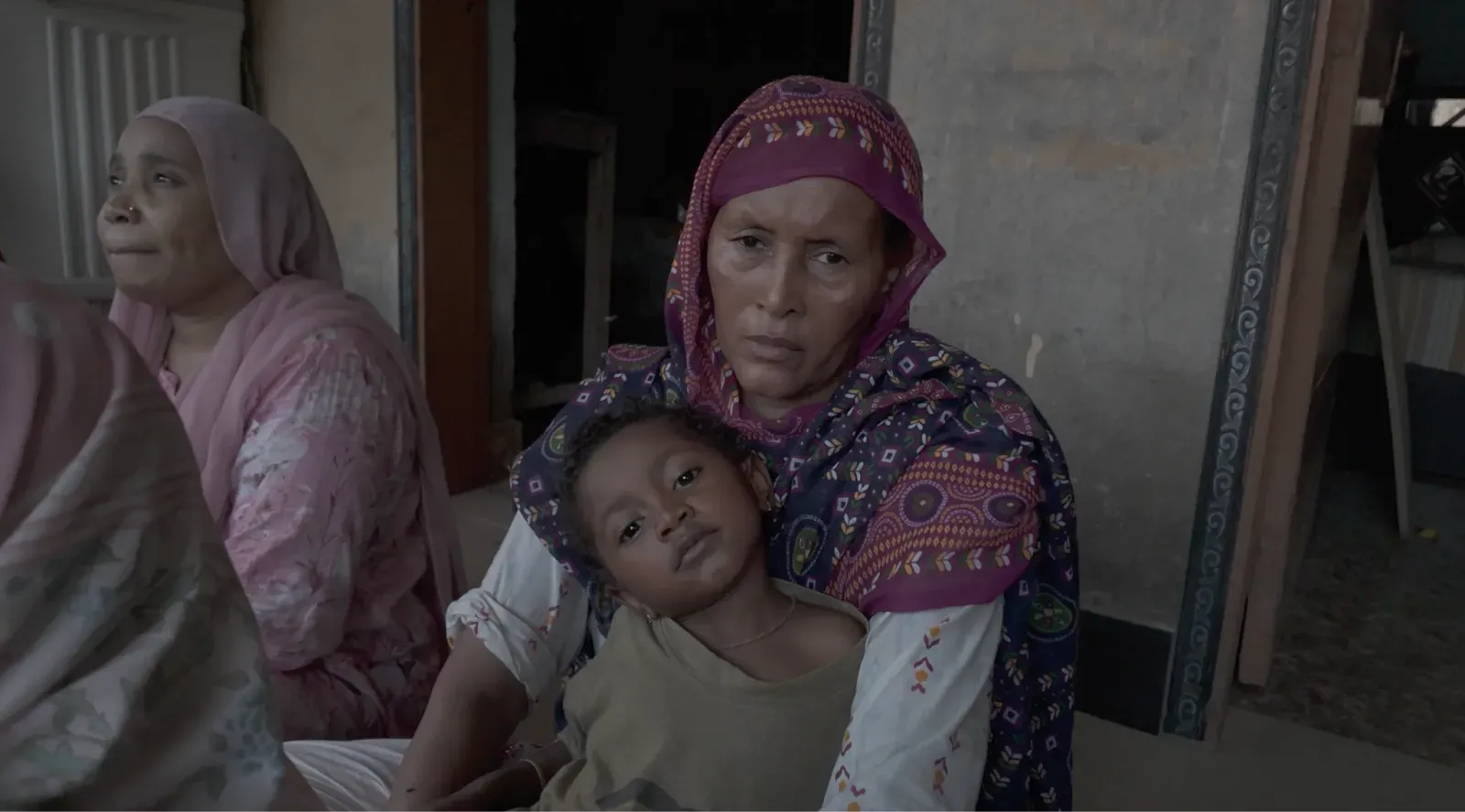
Around the circle, songs rise, carried on voices that know the syllables but not the meanings. A handful of Swahili words have survived in festival lyrics, but for most, the language has slipped from memory. The chants move forward anyway—mouths shaping sounds whose meanings were erased, but whose music endures. In those half-remembered words, the community claims both absence and presence at once: They may no longer understand the language, but they refuse to let it fall silent.
The air is thick with smell and flavor as much as sound. Women bring out pakwaan (crisp flatbread) and steaming bowls of moringa daal, a lentil stew made with the drumstick tree grown in Sindh. The food is passed from hand to hand while voices grow louder, drums quicken, and the circle swells. Men join in, clapping to the rhythm, while elders lean on canes and still sway to the beat. Children sit cross-legged at the edge of the gathering, eating with oily fingers, watching the music take shape in bodies as much as in sound.
“If culture is lost, identity will be lost,” says Ghafoor. “The Mela keeps us together. It tells us we belong in this land and in this history. My hope is that our children will not have to search for who they are and that the Magarman will help them remember always.”