
Project
The Cost of Staying
The mental toll of watching one's community being erased by warehouse development
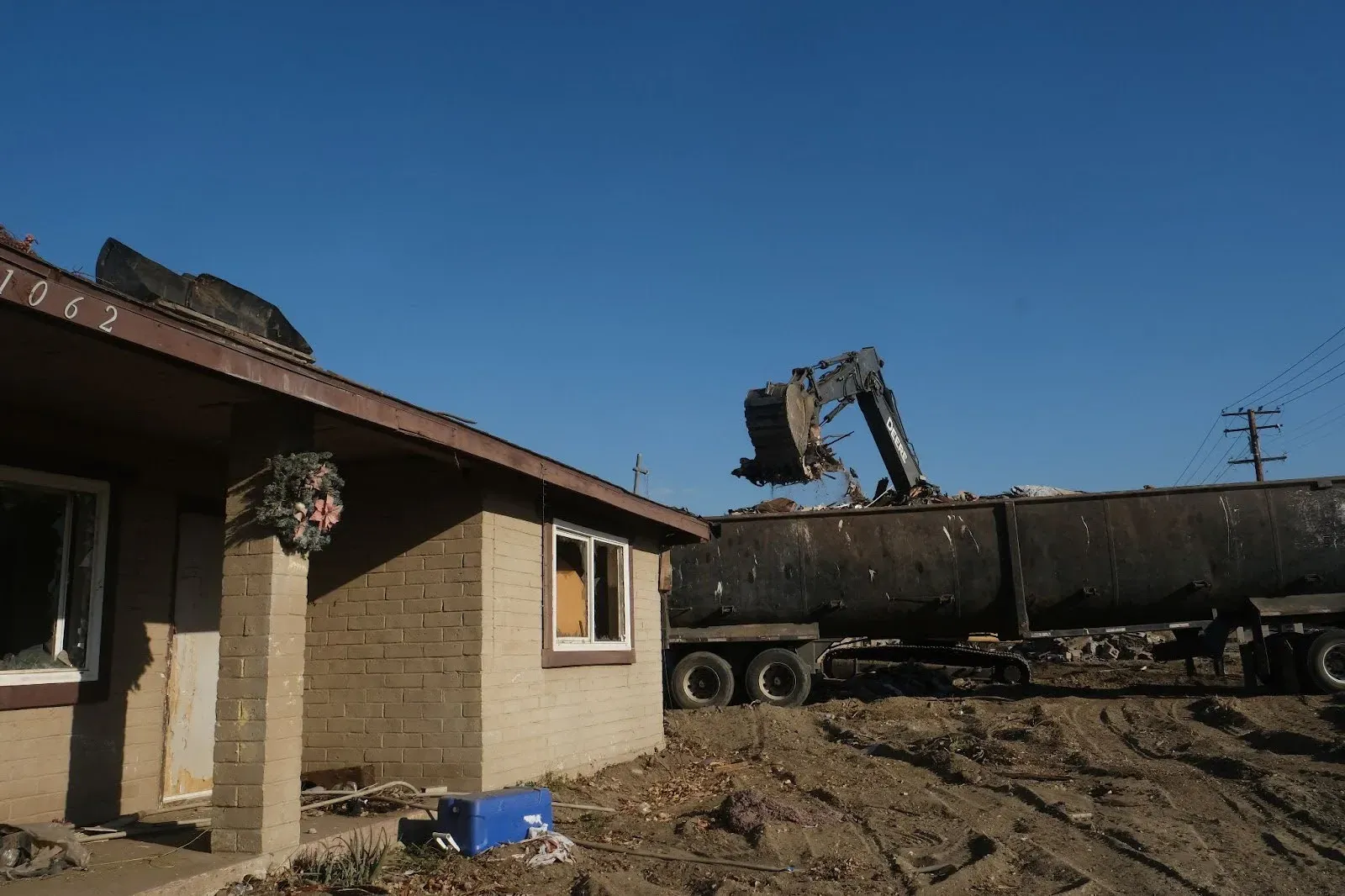
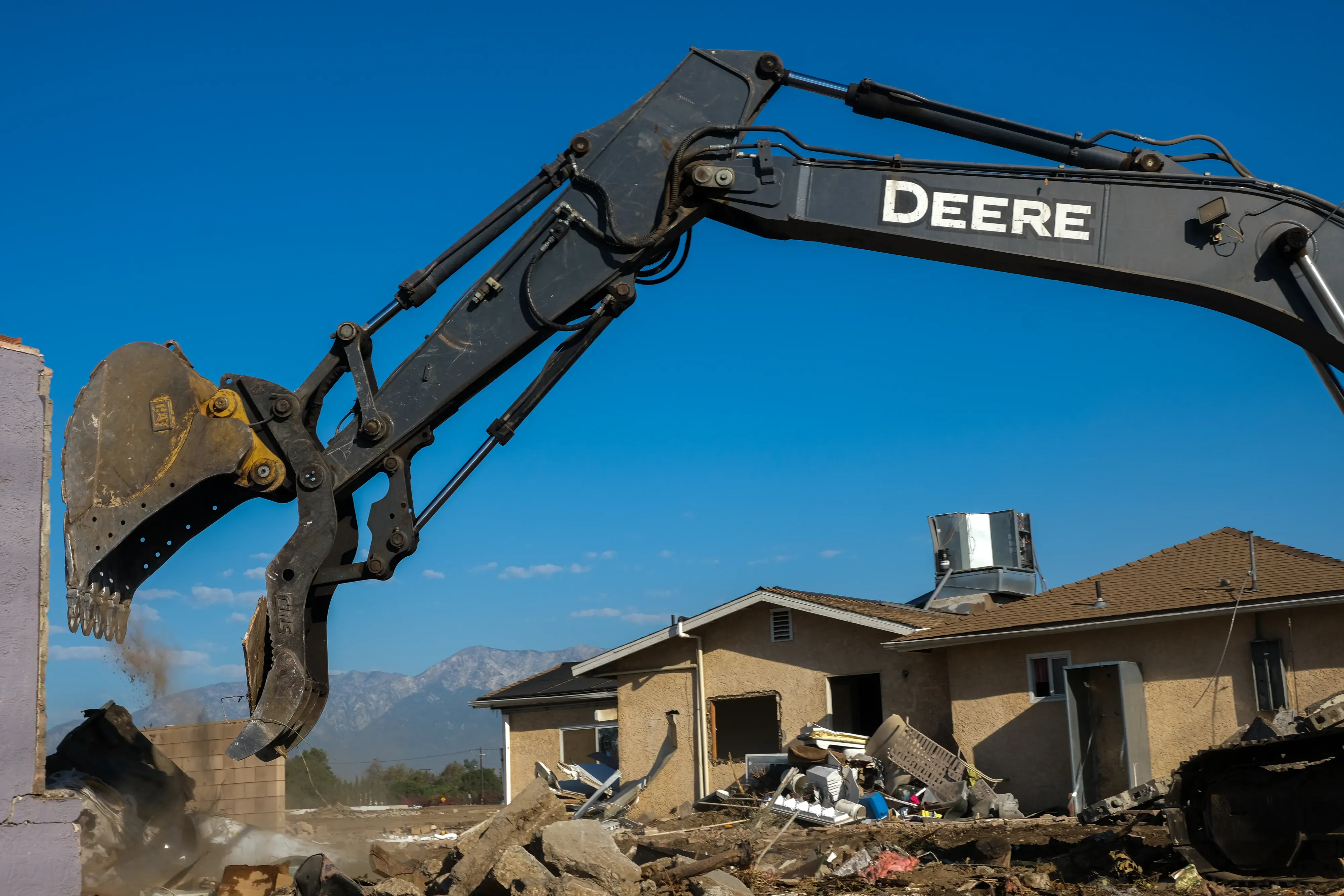
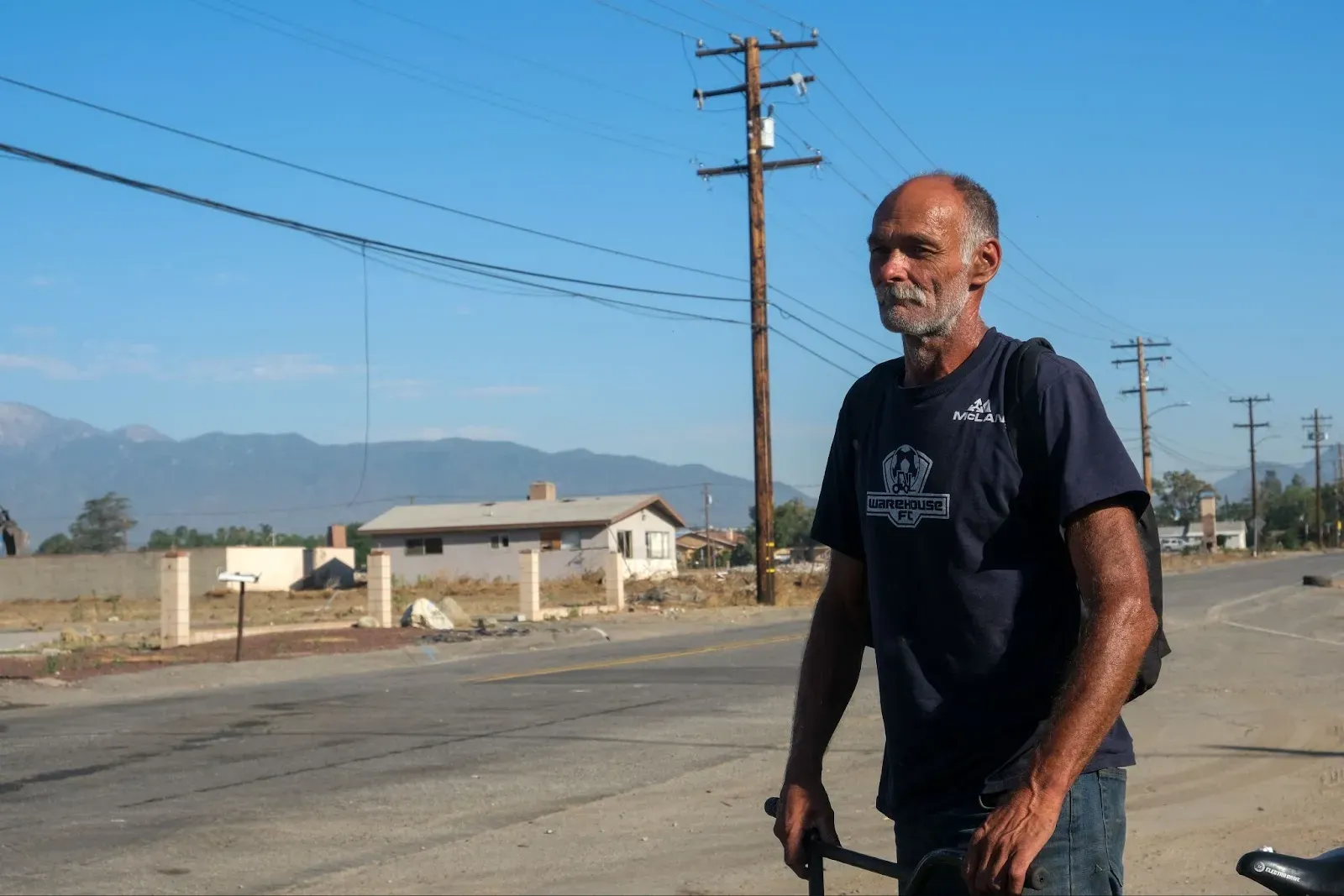
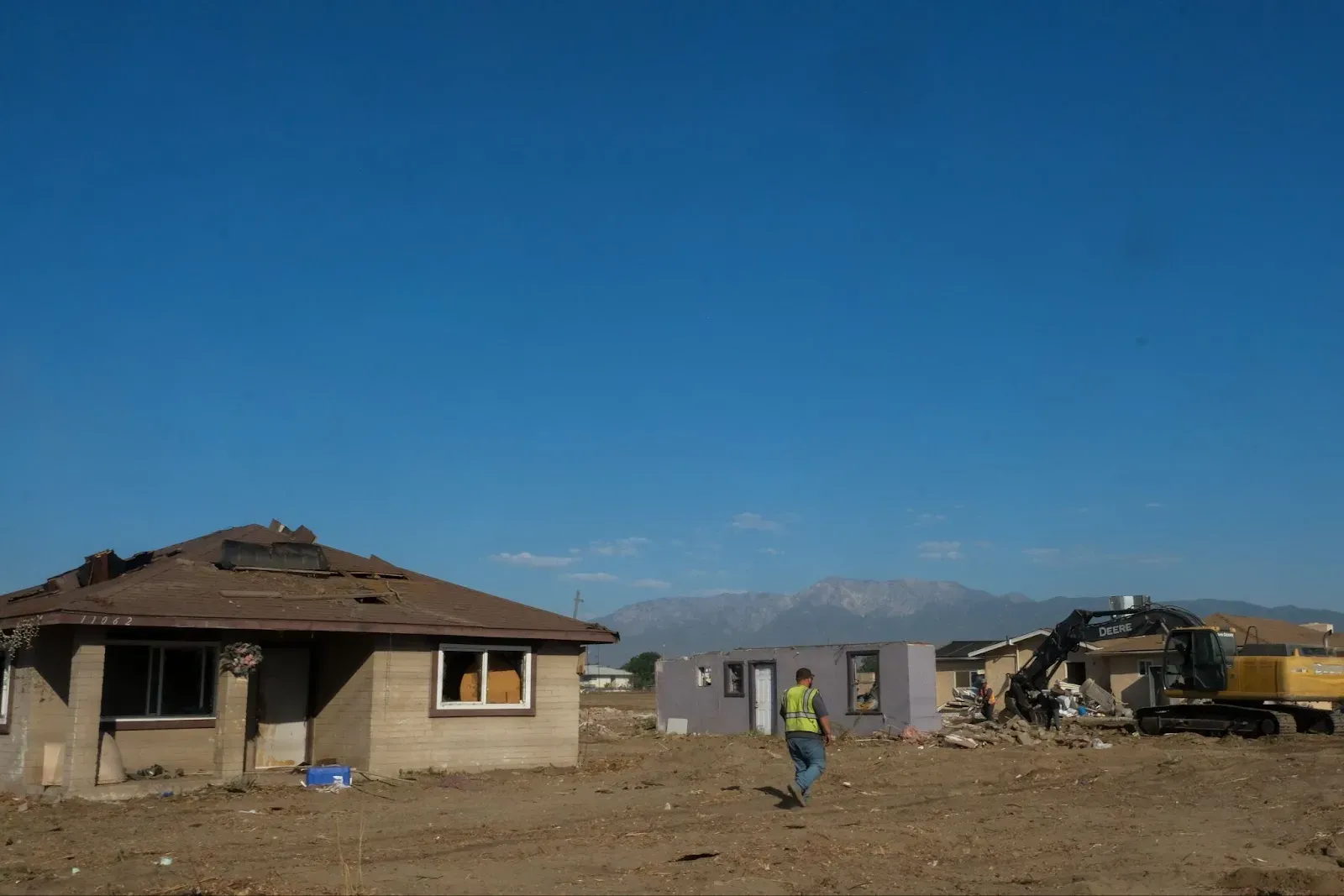
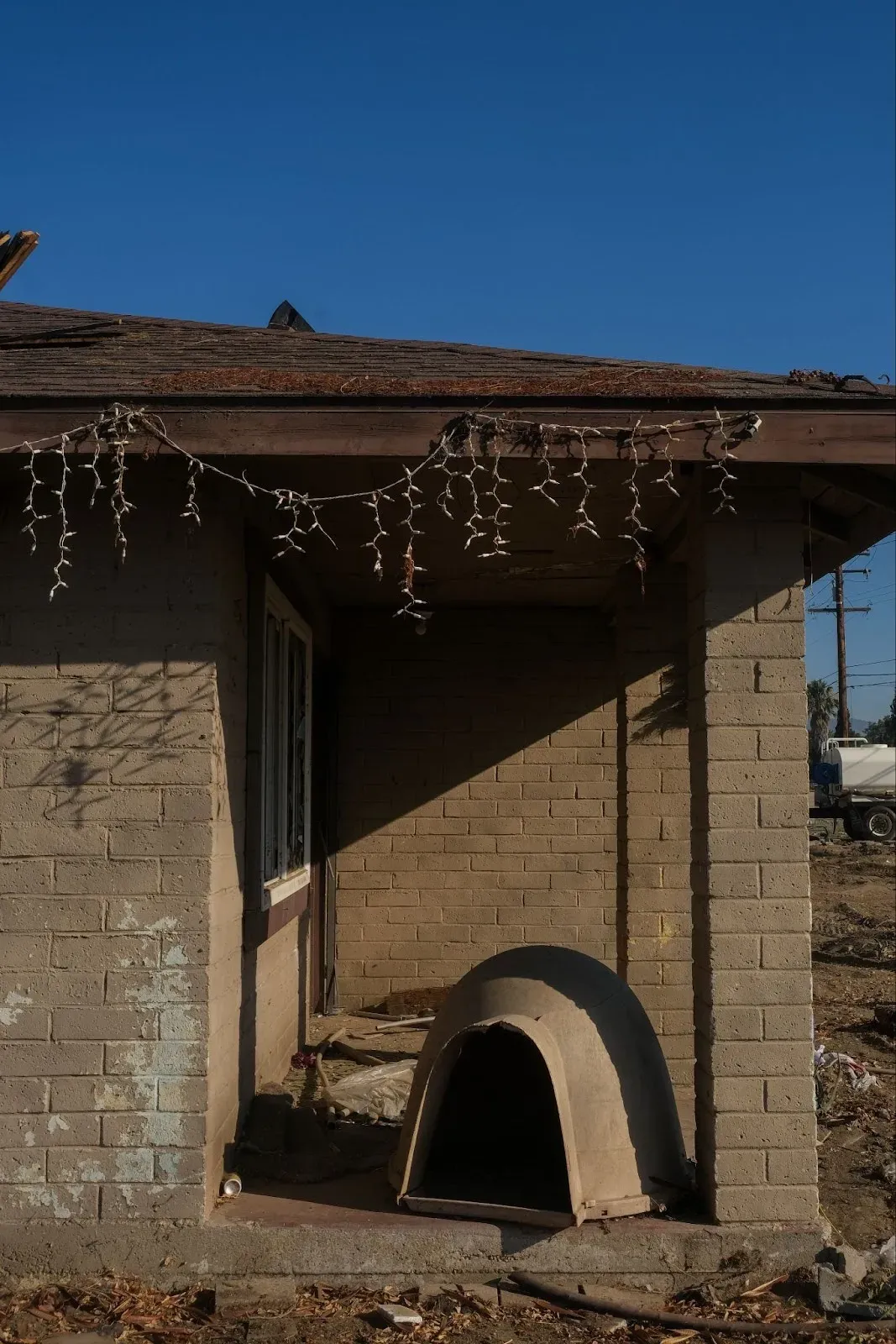
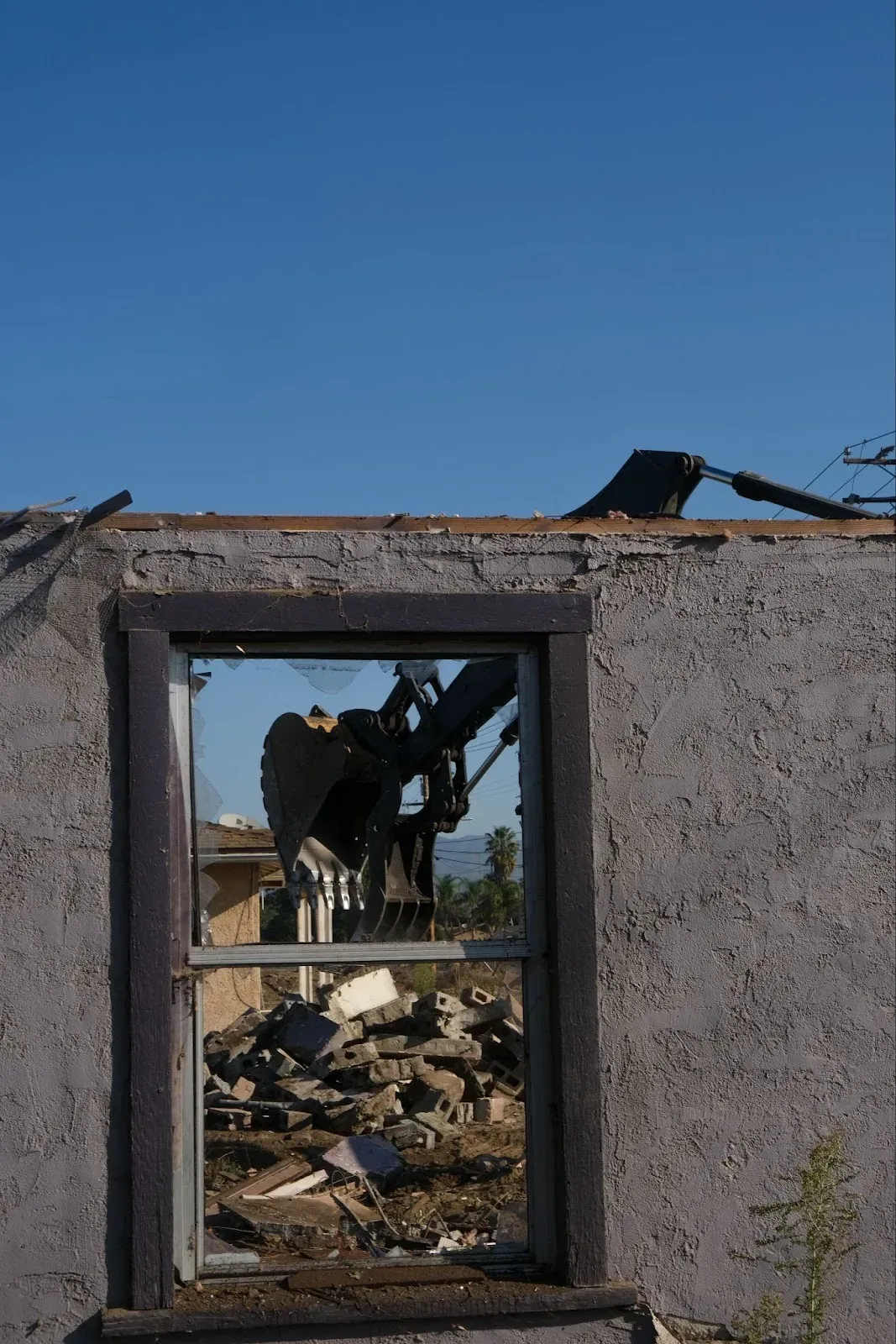
Johnny Gosney, 57, watched as a home on Locust Avenue was demolished. Gosney has lived in Bloomington, California, for nearly his entire life. The home Gosney lived in for many years, which belonged to his uncle, was also demolished to make way for Bloomington Business Park.
Gosney said he was only able to identify his uncle’s home by finding a lid on the ground of its septic tank.
“With all the warehouses, it’s just life moving forward,” Gosney said. “I’ve lost all my family, my dad, my uncle, but it’s just something else to see it happening. It’s like the future, here it is.”
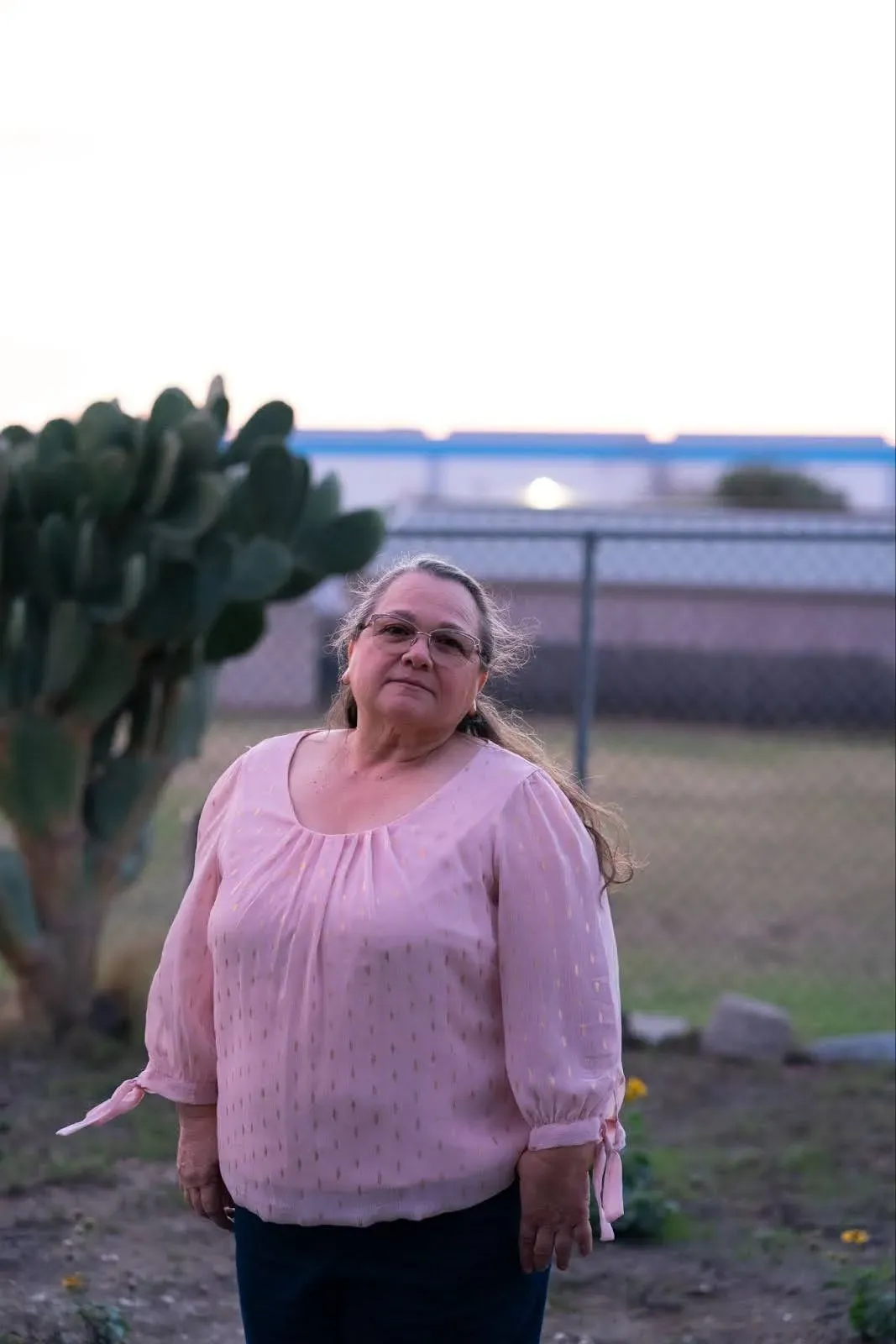
Six years ago, Xochitl Pedraza left the Los Angeles area and moved to Bloomington for the rural lifestyle. Her family’s reason for the move was similar to others'. The area is historically known for welcoming an influx of Angelenos and other residents from across Southern California. Many people move to the region for the lower cost of living.

As a nonprofit journalism organization, we depend on your support to fund more than 170 reporting projects every year on critical global and local issues. Donate any amount today to become a Pulitzer Center Champion and receive exclusive benefits!
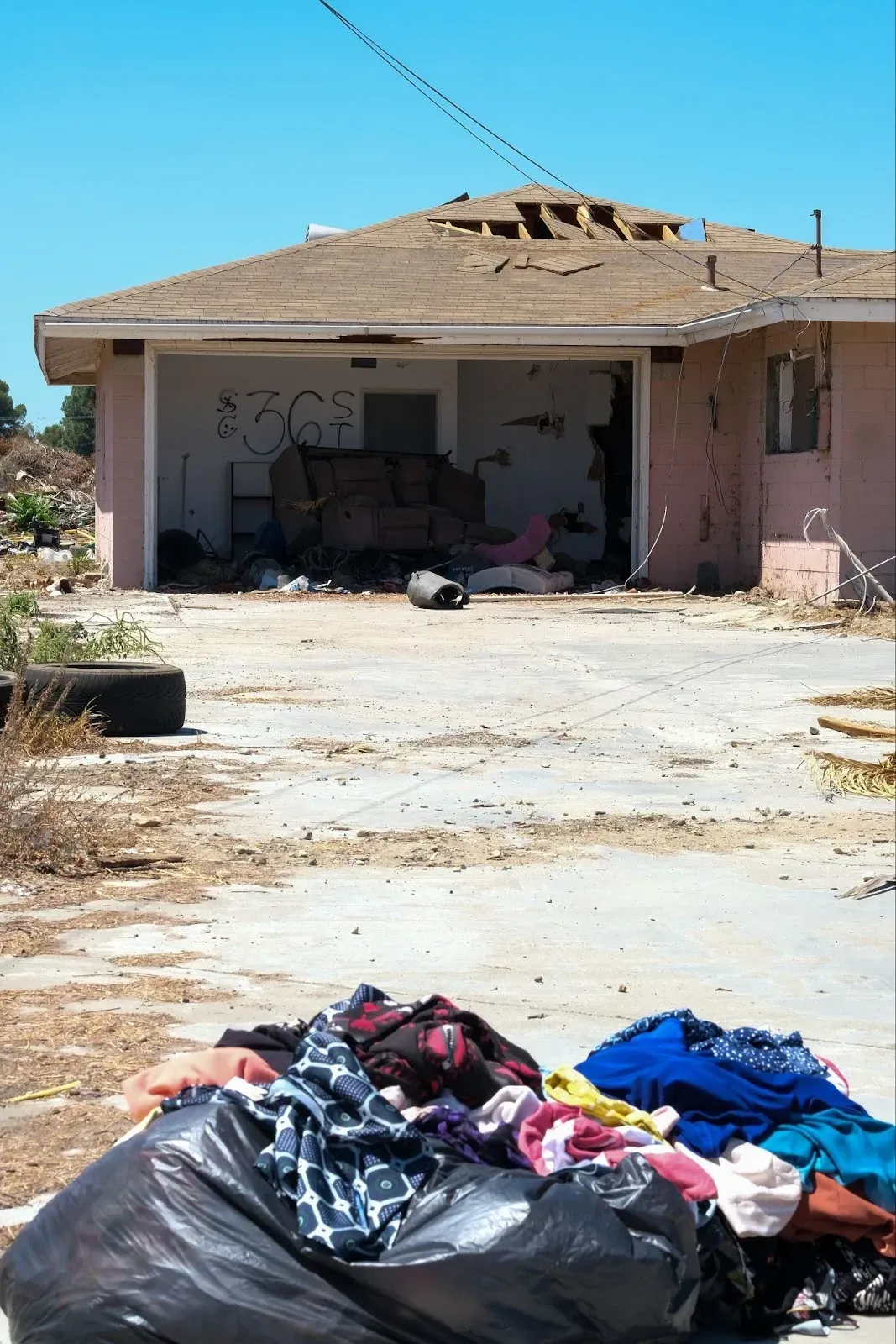
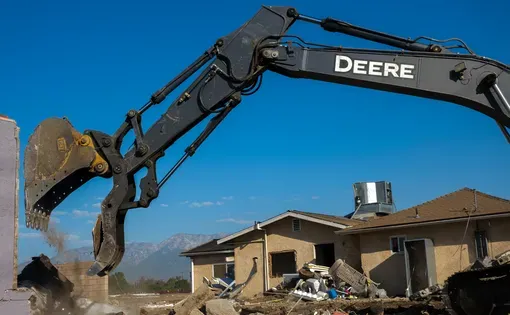
Today in Bloomington, hundreds of families have been displaced by warehouse development. Pedraza said her neighborhood feels like a war zone or a scene from an apocalyptic movie. She described it as despairing.
Previous reporting by Black Voice News documents how the community was impacted by warehouse developers coming into the neighborhood and making offers on homes, resulting in over 100 families relocating and their Bloomington homes being demolished.
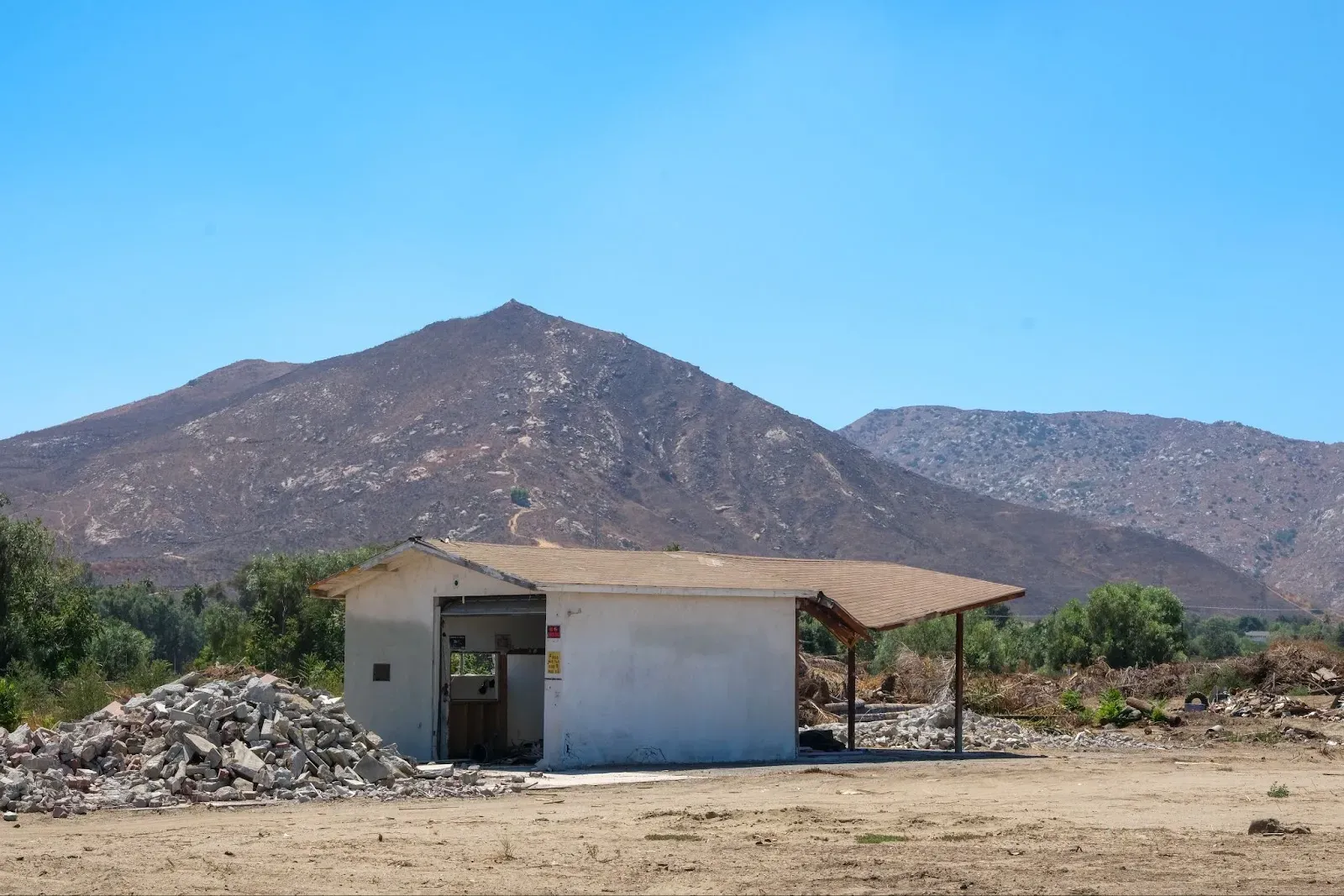
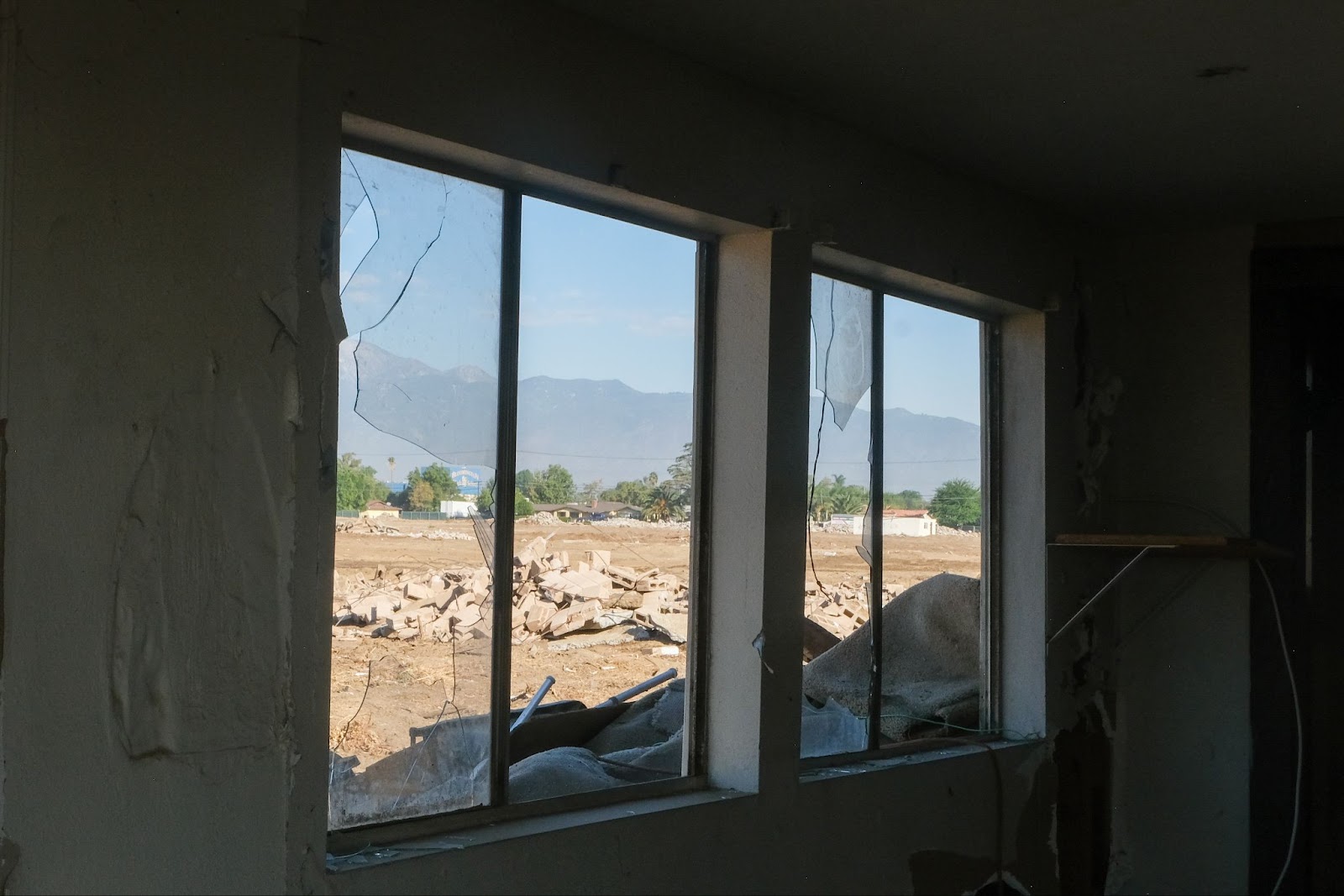
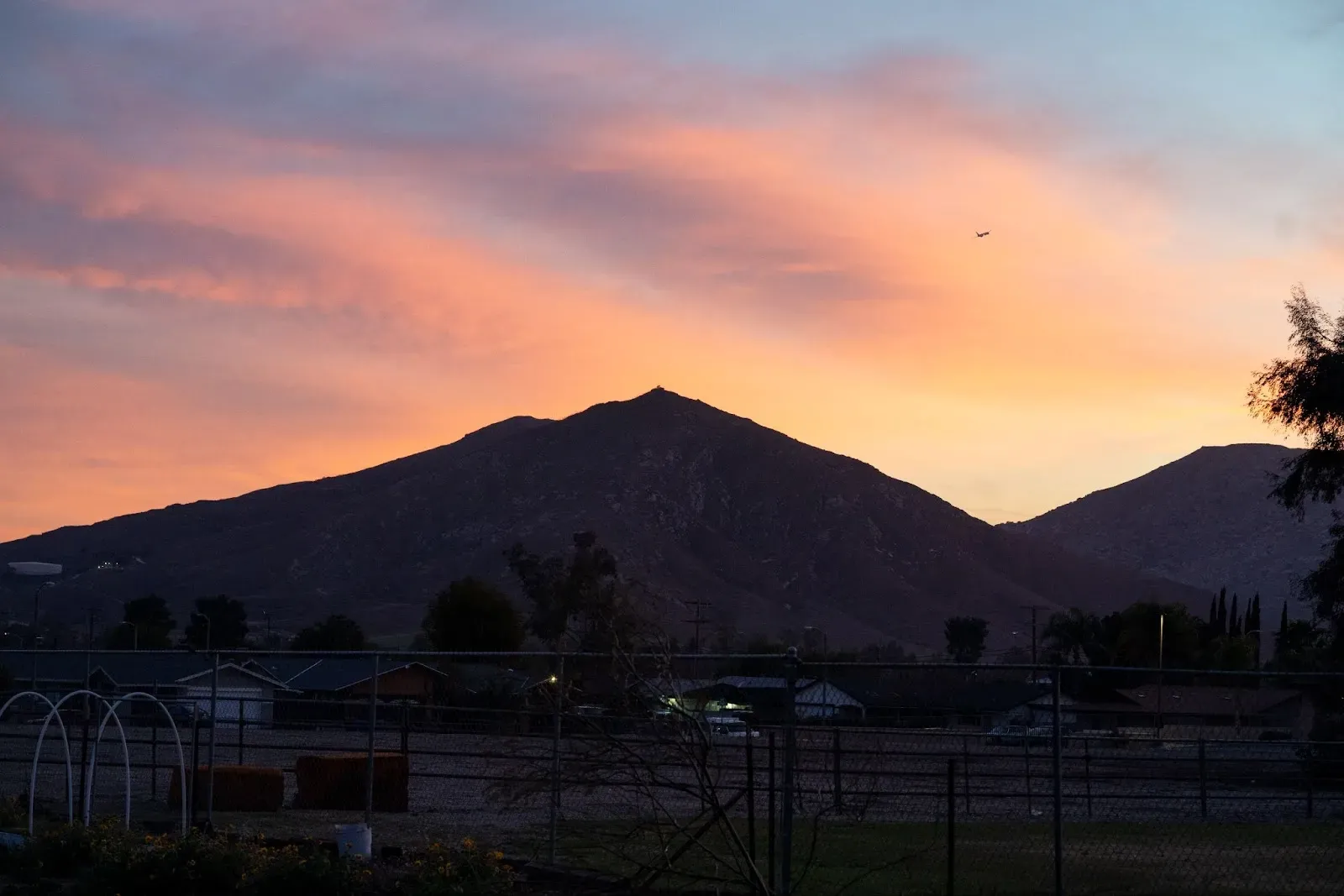
While BVN reporting shows the complexity of issues related to the growing warehouse industry in the inland region as it was being experienced in the Bloomington community, including the dangers the logistics industry poses, a photo series documents the aftermath experienced by those left behind and the mental impact of demolitions on residents.
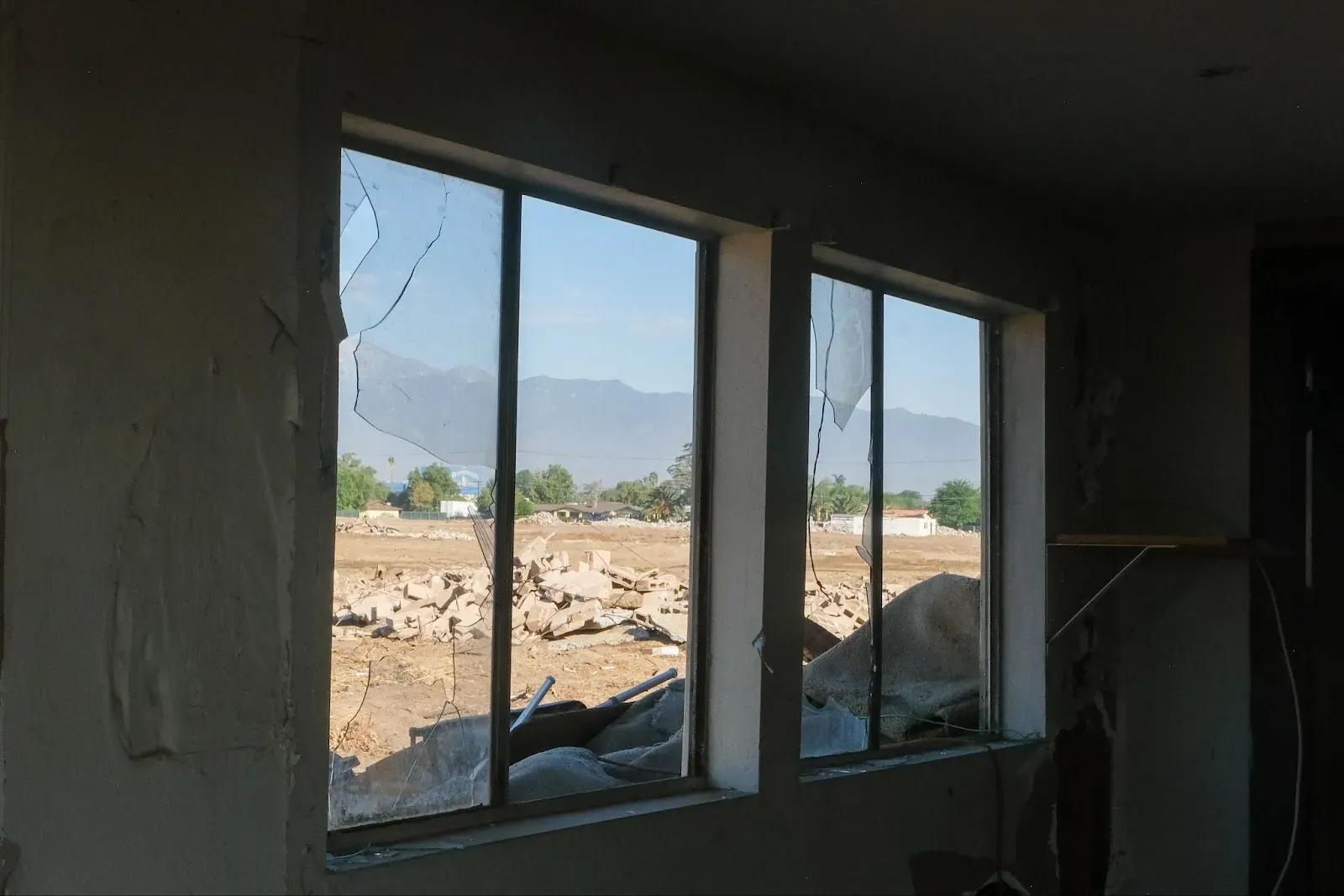
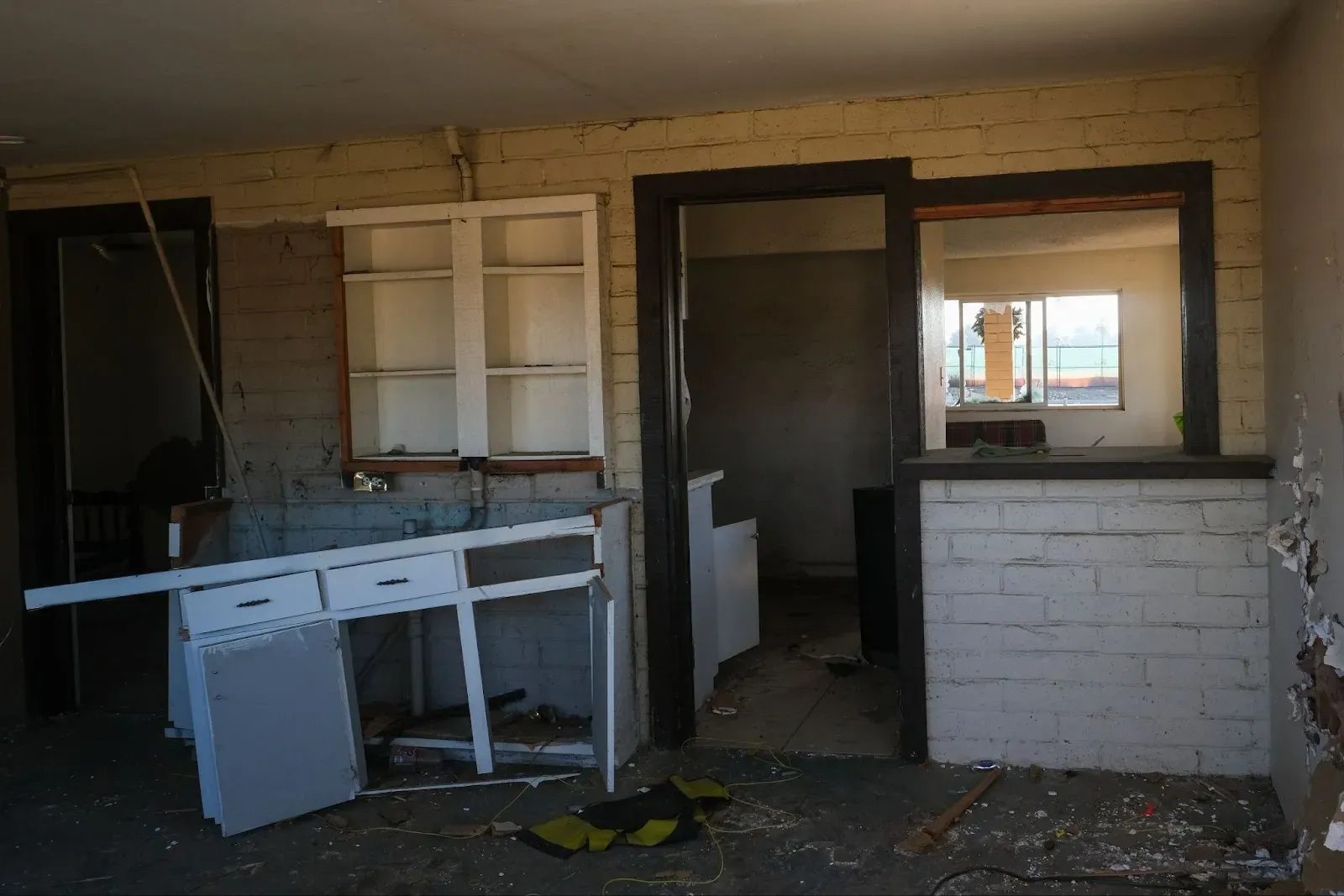
“Your neighborhood disappears, it’s creepy,” Pedraza said. “Then, there’s also fear because you think, what are we breathing? … [The vacated homes] also left a lot of trash and a lot of houses have lead [paint] and asbestos.”
Pedraza described the mental toll of constant uncertainty.
“Do I make my house beautiful? [Is it] then going to end up in ruins like those [other homes]? What for?” She expressed. “If you’re going to sell, where are you gonna go? If you don’t sell, what is coming? What am I breathing? What am I going to have in the future?”
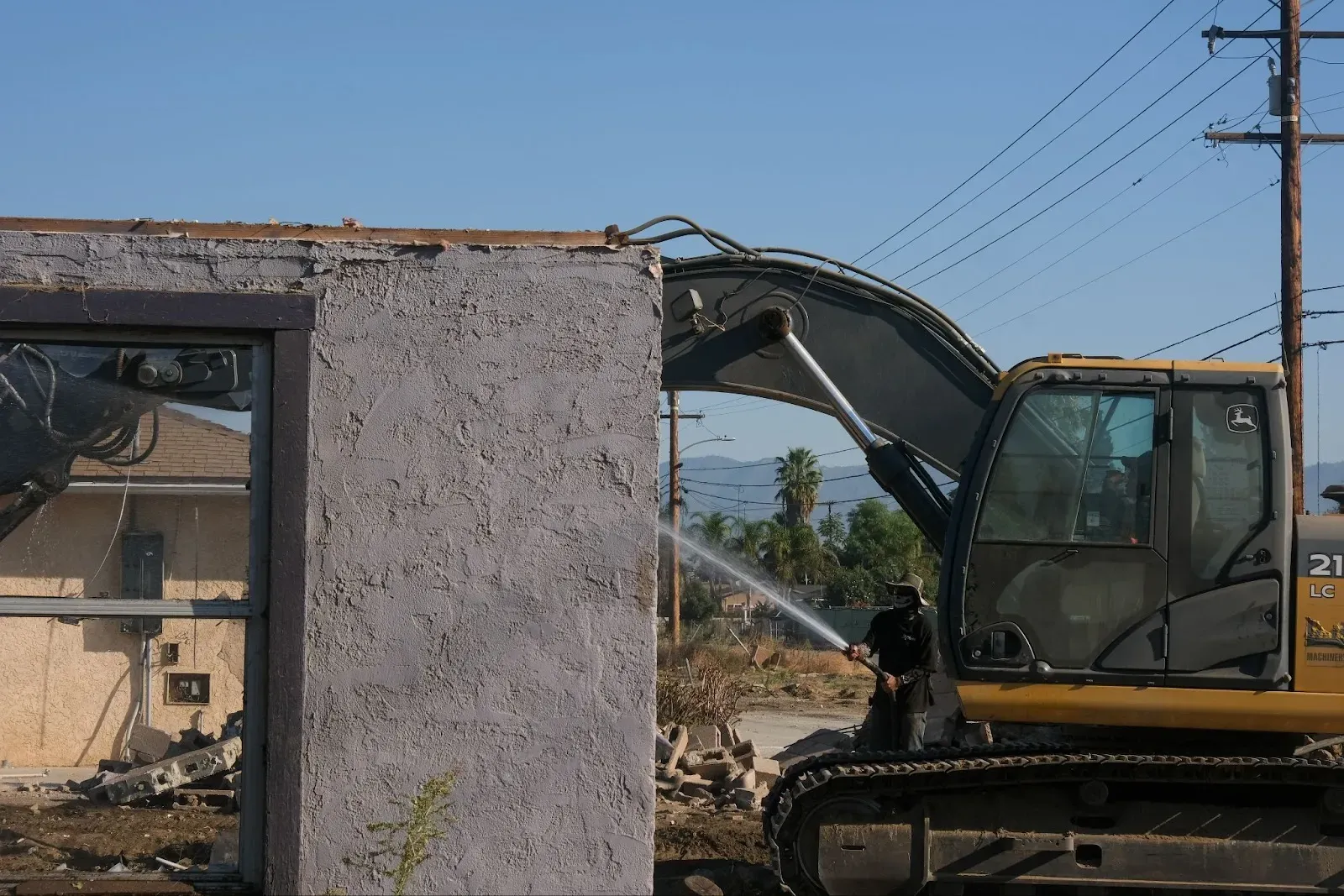
In September 2024, San Bernardino County Superior Court Judge Donald Alvarez ruled that the county’s review of the project failed to meet California Environmental Quality Act (CEQA) requirements designed to inform decision-makers and the public about the project’s potential environmental impacts. As a result, he ordered construction on the warehouse project to be halted, while permits for demolition were still allowed, until the county revised its Environmental Impact Report (EIR) to comply with the law.
In December 2024, the community was able to submit comments about this project. The developer is working on a new Environmental Impact Report that will then be presented to the San Bernardino County Board of Supervisors, which will then vote again on the project.
While the fight against the Bloomington Business Park has split residents over the preservation of the community, today, with a majority of the 117 homes already demolished, the conversation among residents is centered around whose address will be the next one to be rezoned for commercial land use; whether to sell or take a buyout offer; or who will be the last one left in their community.