Project April 2, 2026
Surfaced: Tracking Arctic Wildlife from Legal Harvest to Illegal Markets
Country:

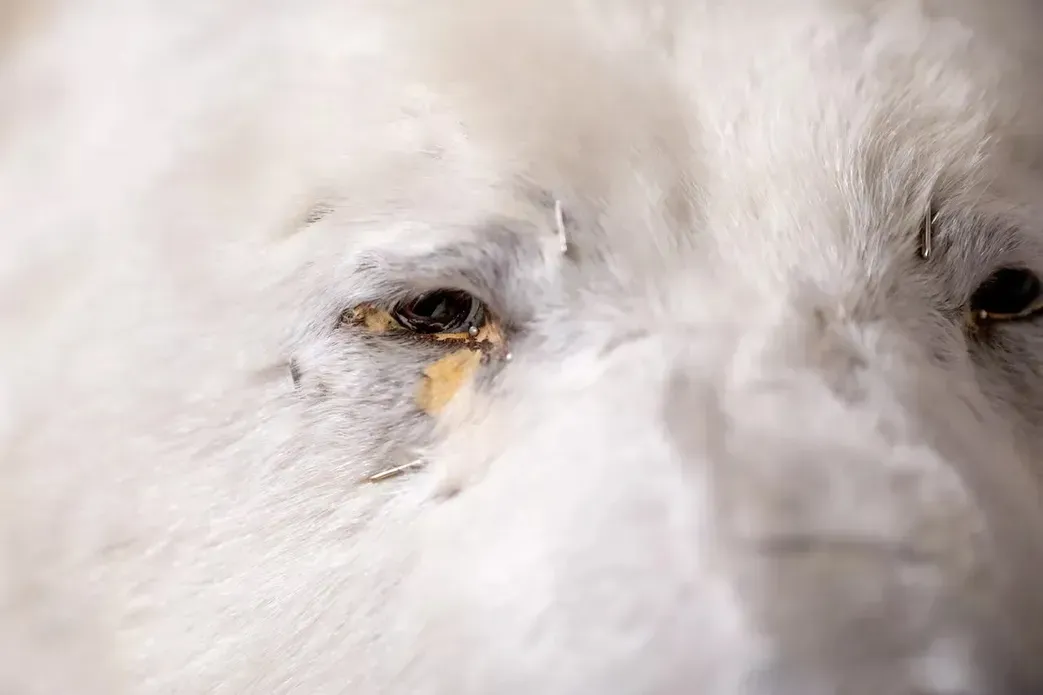
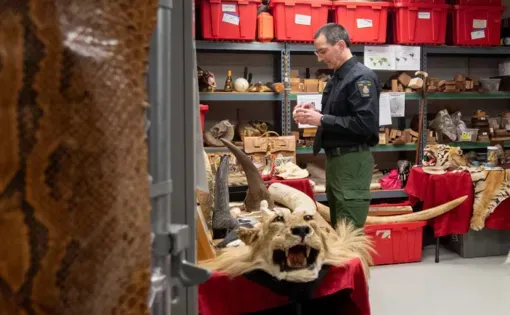
Canada has long cast itself as a bystander to the illegal wildlife trade. An investigation by The Globe and Mail found the opposite: The country is both a source and a destination, propped up by vast wilderness, patrol blind spots, and penalties so weak that for some traffickers, breaking the law is cheaper than compliance.
The longer arc of this series follows how legally harvested Arctic wildlifespecies such as polar bear and narwhal that Indigenous communities have the right to hunt and trade—enters illegal markets. Reporting explores questions about traceability, treaty rights, subsistence, and who bears the burden when the system fails.
Through confidentially sourced information, enforcement records, and on-the-ice reporting, the series examines a collision of forces: a changing Arctic, the legacy of colonial policing, and transnational organized crime networks that move wildlife alongside drugs, firearms, and people. It asks what it means for northern communities—already navigating food insecurity and the long aftermath of colonial enforcement—to depend on wildlife harvest for survival and cultural continuity, even as that same wildlife becomes a target for traffickers thousands of kilometers away.
This investigative work traces why closing these gaps requires navigating Indigenous sovereignty, international cooperation, and a penalty framework that hasn't been substantially updated in more than 15 years— and what happens when those interests collide at the border.
Collaborators
- Ryan MacDonald
- Clare Vander Meersch
- Shelby Lisk
- Pat Kane
- Marie-Danielle Smith
- Murat Yukselir
- Mackenzie Lad