

As negotiations in the Ukraine conflict continue, the West's eyes are on Europe's most at-risk region: the Estonia-Russia border. If the Baltics are in the crosshairs of the Kremlin's expansionist propaganda, Estonia is the country that fears a possible attack most.
According to observers, that is where Russia could challenge NATO. Adding to the tensions, most of the approximately 320,000 Russian-speaking citizens—about a quarter of Estonia's population—live close to the Russian border, particularly precarious because Russia has never definitively recognized it as legitimate, even after the collapse of the USSR.
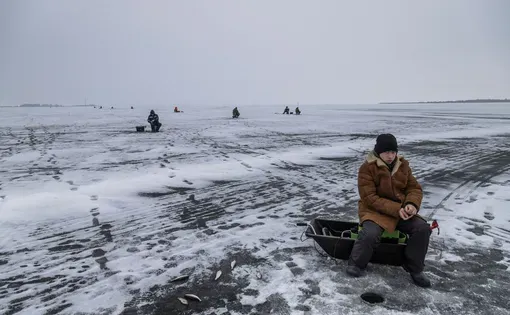
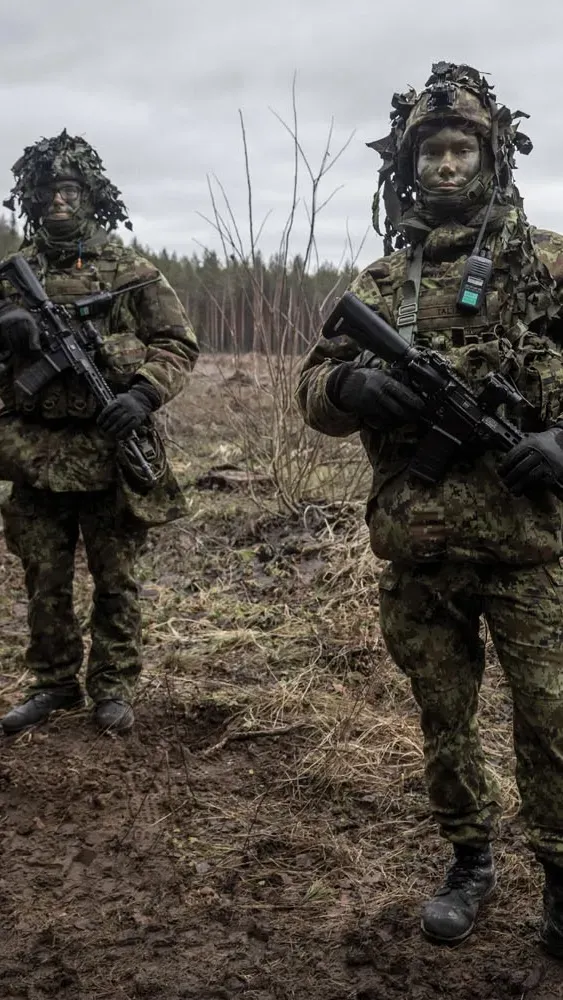
This project's goal is to travel along the approximately 300 miles of Europe's hottest border, from the mouth of the Narva River on the Baltic Sea to Lake Peius in the southeast. Reporting will explore how it is to live with daily provocations from the Russian side, with loudspeakers blasting patriotic hymns and airplanes displaying the huge Z, the symbol of Putin's neo-imperialism. Along the 48 miles of the Narva River alone, there were 96 recorded incidents in late 2024 where Russian forces removed border buoys. Special forces from Estonia and other NATO countries are patrolling the border, using new technologies. The newly built “Reedo camp” houses the NATO special forces trained for the winter warfare.
This project will also tell the stories of people living in remote villages split by the border, and will reveal how they are experiencing growing tension.