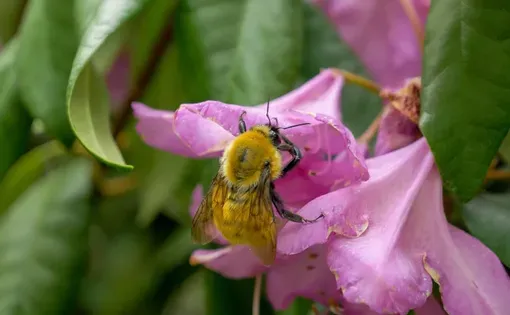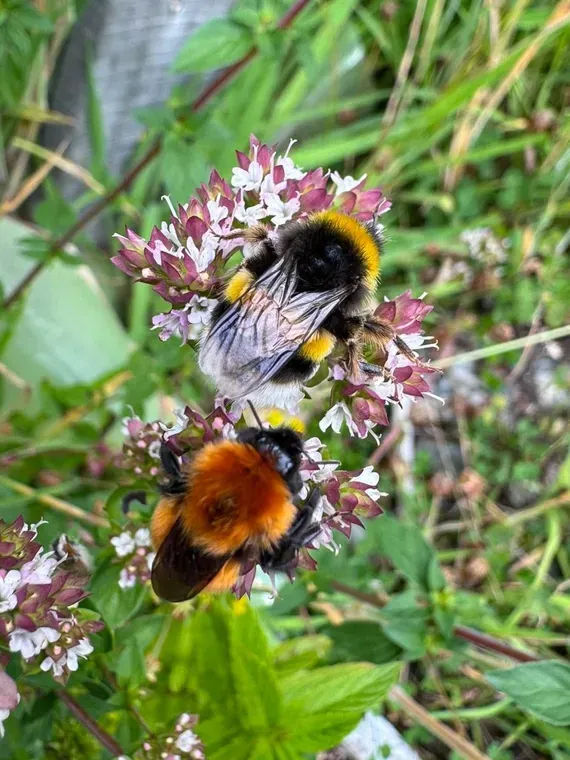


In the forests of Argentinian Patagonia, the world’s largest bumblebee is disappearing.
In 1997, neighboring Chile introduced a European bumblebee to pollinate tomatoes. Within five years of its introduction, Bombus terrestris had raced 650 kilometers south, and into the path of Bombus dahlbomii. Although Argentina banned the foreign bee to protect native pollinators like B. dahlbomii, Chile welcomed the European guest worker and the consequences have spilled across borders.
Today, B. terrestris is essential to Chile’s booming food exports—greenhouse tomatoes, but farmers are placing the bee in blueberries fields—even as the invader drives the native B. dahlbomii toward extinction. Scientists in both countries have been raising the alarm for over a decade, calling for a ban on any further imports of B. terrestris.
Is it too late for the giant bumblebee, aka the "flying mouse"? Argentinian researcher Marina Arbetman doesn't think so. She is part of a research team capturing B. dahlbomii queens in an attempt to captive breed them, and using bioacoustics to identify and monitor the fragile populations that continue to exist in national parks. Meanwhile, Chilean entomologist Cristian Villagra Gil is tagging and following B. terrestris on his side of the border.
This reporting project follows their efforts, revealing the environmental consequences when global markets, short-term agricultural gains, and lack of ecological oversight collide.