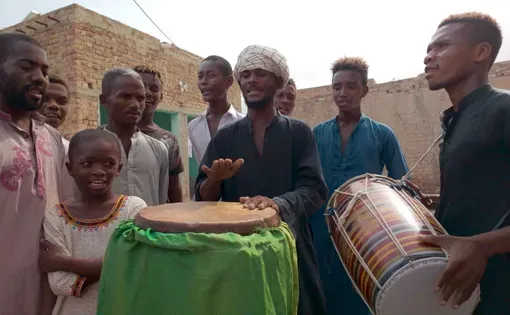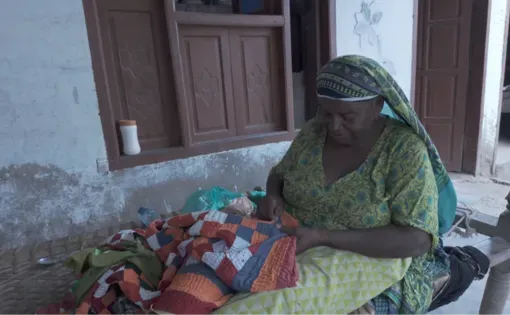
This reporting project explores how Pakistan’s Sheedi community preserves its African heritage through music and dance at the annual Sheedi Mela. Despite centuries of social exclusion and limited access to education and employment, the Sheedis assert their identity through rhythmic movement and Ngoma-style beats, a tradition that traces back to their East African roots.
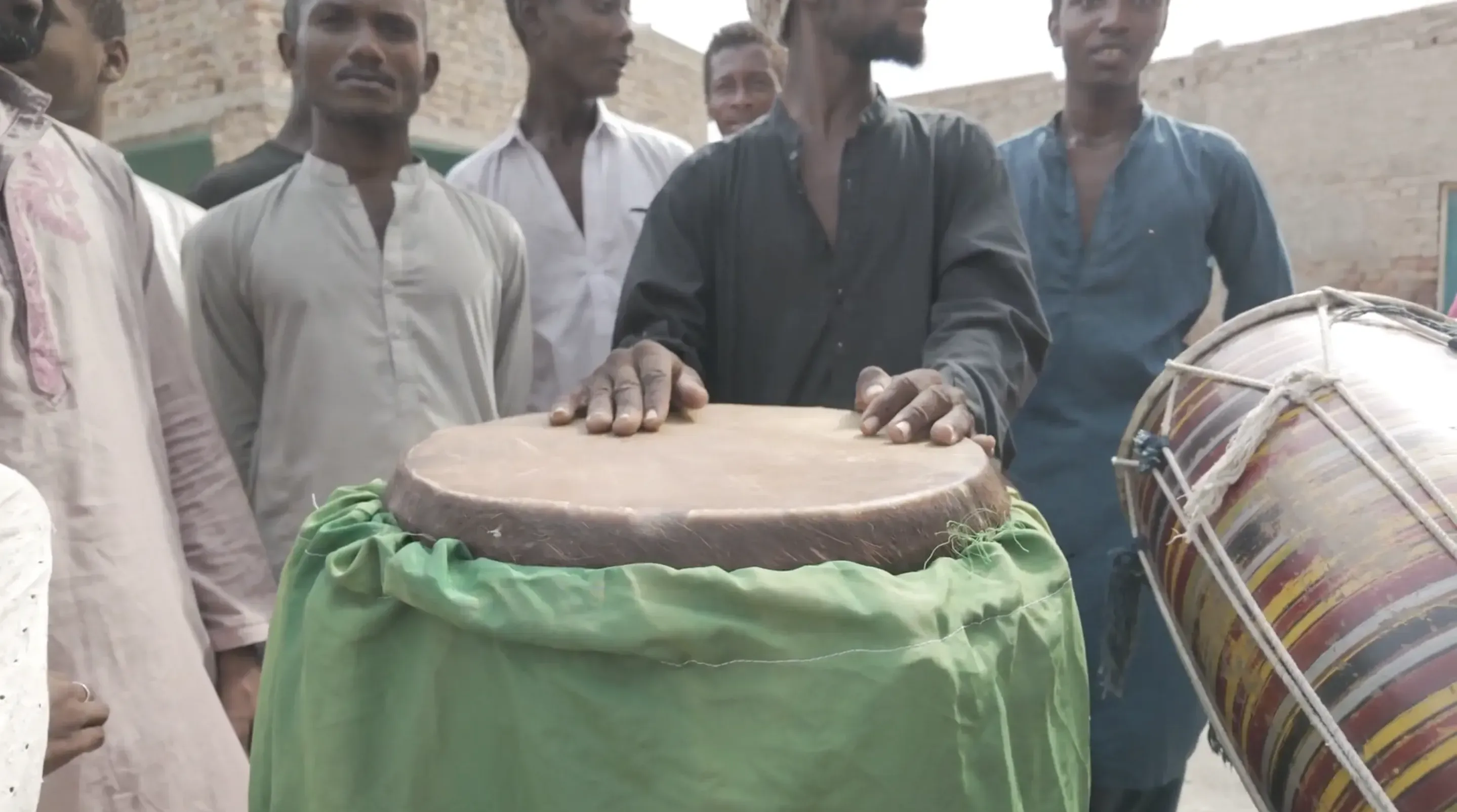
Believed to have arrived in South Asia through the Indian Ocean slave trade as early as the eighth century, the Sheedis have long been marginalized, with their population estimates ranging widely due to exclusion from official records. Yet, at the Sheedi Mela, they reclaim their past through a fusion of cultural expression, chanting in Swahili, a language they no longer speak, and dancing to African-inspired rhythms played on South Asian dhol drums.
Through a podcast series and a long-form article, this project highlights the Sheedis' resilience, using firsthand storytelling and expert insights to examine the role of dance and music in preserving identity. By documenting the Sheedi Mela, this project sheds light on a community that has transformed cultural memory into a form of resistance.