Project October 6, 2026
Climate Change’s Compounding Pressures on Rural North Carolina
Country:

Areas like Robeson County, North Carolina, face some of the greatest climate risks, but have fewer resources to cope. Local advocates are working to connect people’s experiences with the need for action.
Climate change is often described as a threat multiplier. It does not create poverty, inadequate housing, or gaps in health care, but it magnifies their consequences. While climate change affects everyone, its most severe impacts fall disproportionately on underserved communities.
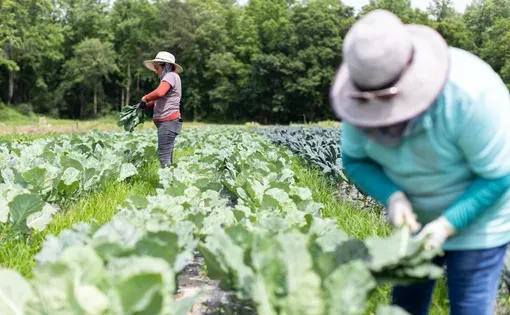
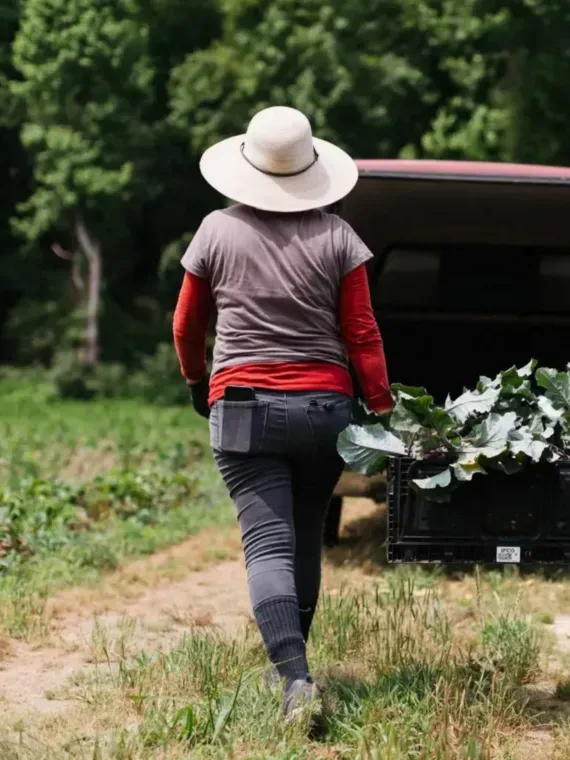
Researchers tend to focus a lot of their attention on urban heat islands. But older housing, outdoor occupations, aging populations, long distances to medical care, persistent poverty, and aging and nonexistent infrastructure all combine to make the impact of extreme heat more dangerous in rural communities.