Project December 11, 2025
Burundi: Tea Plantations in Kibira Park Accelerate the Drying Up of Lakes and Rivers
Country:

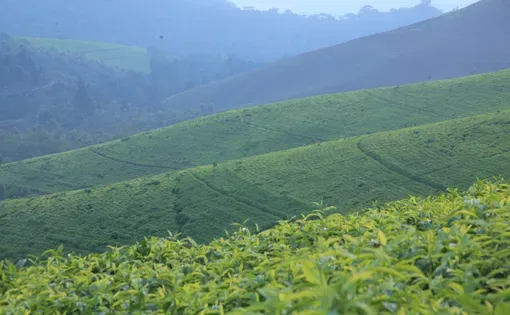
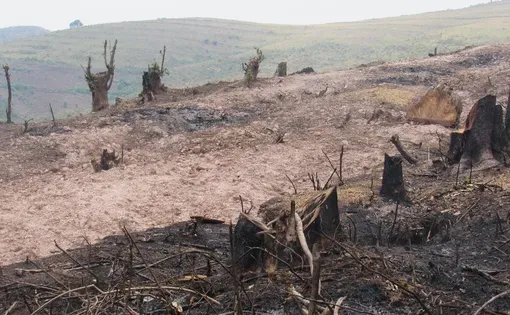
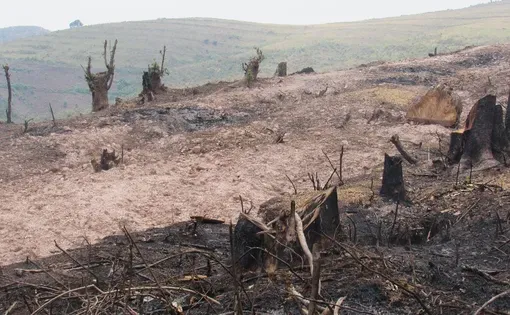
To expand tea plantations, the Burundi Tea Board (OTB) is clearing the Kibira park. It uses the timber to dry tea leaves. Over the past ten years, Kibira has lost around 12,000 hectares.
Tea cultivation in the park prevents wildlife, such as chimpanzees, from communicating, restricts their reproduction, and devours their habitat. Agricultural plantations reduce infiltration and promote runoff.
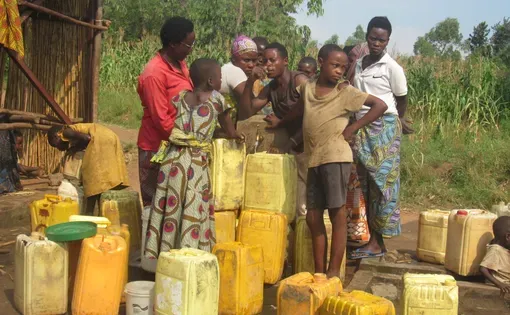
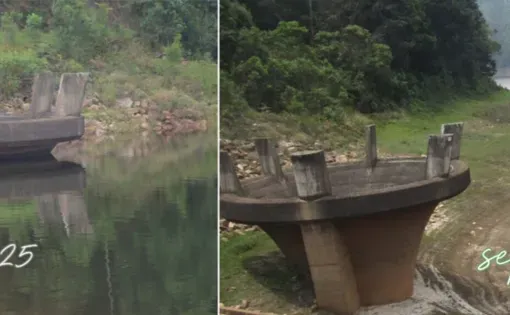
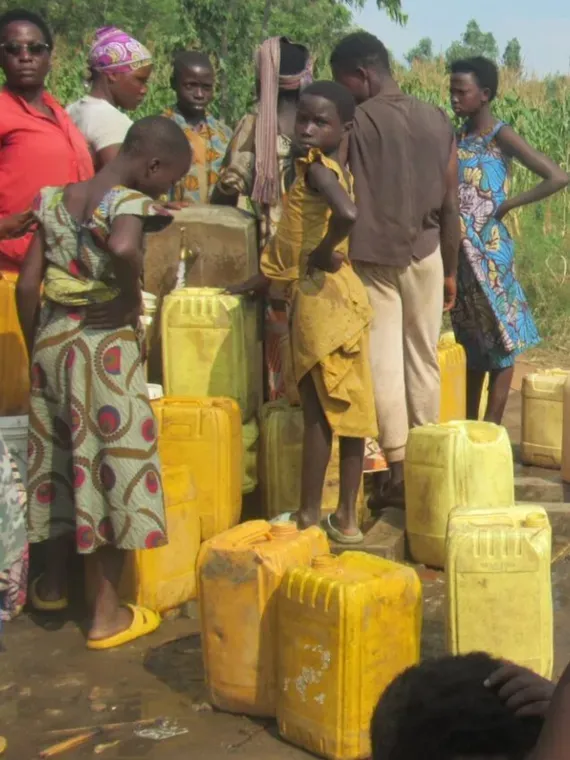
This reporting project covers how this agricultural phenomenon, coupled with climate change, is reducing the recharge of Burundi's groundwater. Global warming is accelerating evaporation and evapotranspiration from lakes and rivers. However, Kibira is the main water tower for Burundi's two watersheds. As a result, water basins are drying up: water sources are running dry, and river and lake levels are falling. There is insufficient drinking water in the Imbo plain. Its quality is deteriorating. Waterborne and vector-borne diseases are proliferating. The population travels long distances in search of drinking water.