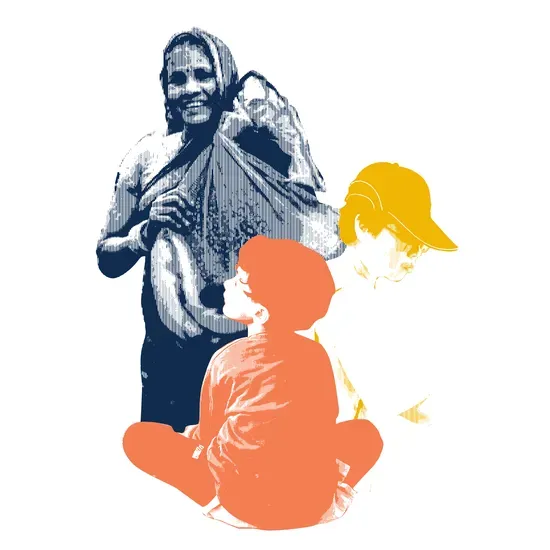
We seek to support civic engagement projects in the Global South that use Pulitzer Center-supported journalism to deepen public understanding of the interconnected challenges facing rainforests, the ocean, and the climate, and centering the perspectives of the people who protect and depend on these ecosystems.
GRANT OVERVIEW
Climate and environmental issues have been at the core of the Pulitzer Center’s work since its founding in 2006. In addition to journalism grants and fellowships, we support initiatives that connect journalism with communities and diverse civic actors to foster learning and dialogue. Our goal is pursuing real-world impact: engaging communities, deepening understanding and connection, and influencing decisions locally and globally.
This microgrant aims to support civil society in the Global South regions—including grassroot collectives, community-led movements, artists, and civic coalitions—to utilize Pulitzer Center-supported journalism as part of projects that contribute to a more informed and empowered community.
For this grant cycle, we are seeking grant proposals for civic engagement projects that use Pulitzer Center-supported stories, focusing on our Climate and Environment topics:
- Rainforest: examining the drivers of the degradation of the rainforest ecosystem, including the role of global market, finance, and policies while highlighting the rights and roles of Indigenous people whose lives are closely connected to the forest ecosystems
- Ocean: examining the drivers of the degradation of our marine environment, ocean health and the climate crisis, ocean governance, and science-backed and community-led solutions
- Climate and labor: examining critical issues at the intersection of climate and labor, including gender, livelihoods and adaptations, as well as community resilience in the face of climate change
Grants range from USD $2,000 to USD $4,000. Project proposals can support existing activities or support the launch of new activities.
TOPICS THAT WILL BE SUPPORTED BY THIS CIVIL SOCIETY MICROGRANT
The civil society organization microgrant initiative builds on the Pulitzer Center’s impactful journalism projects on one of the following topics:
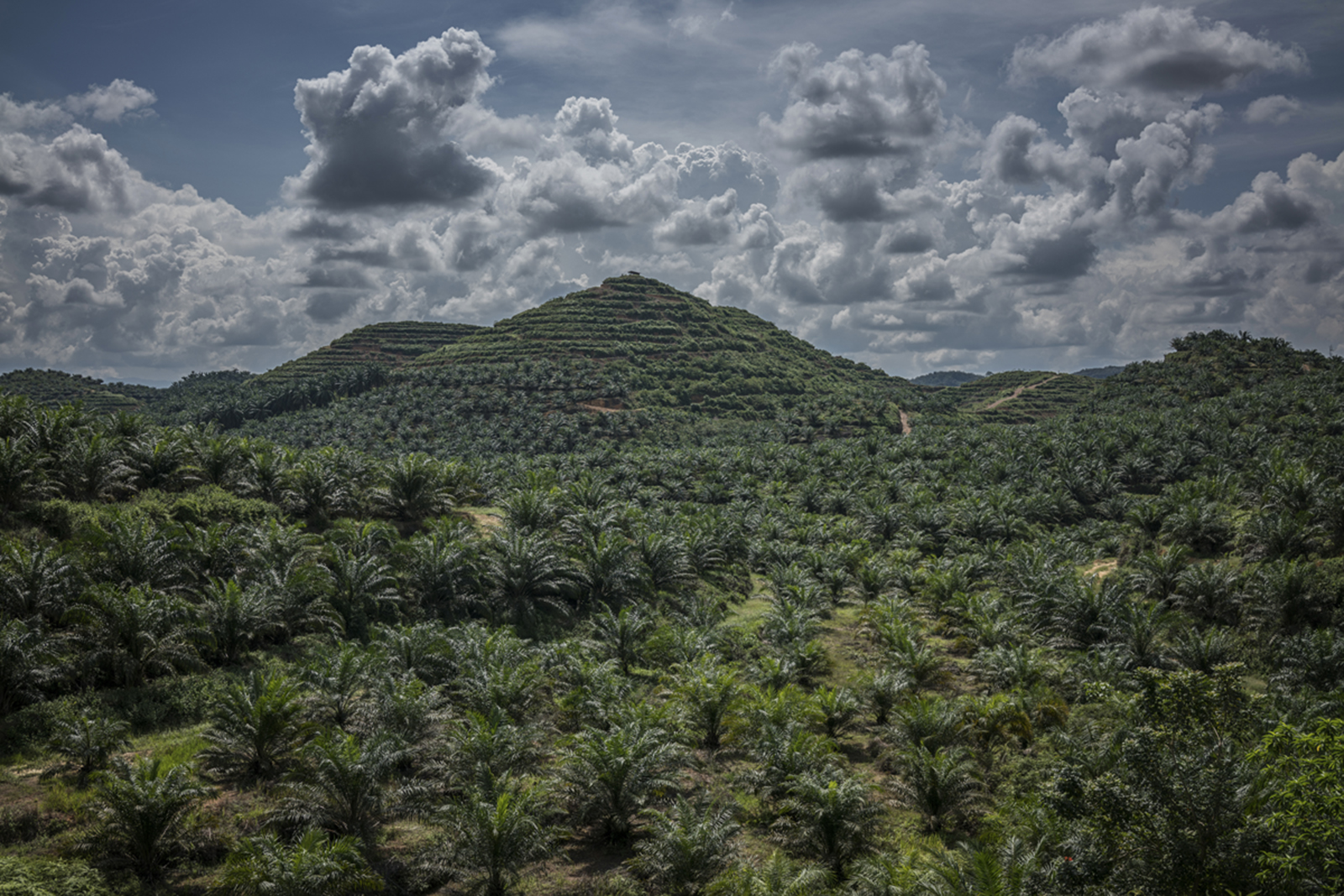
Rainforest
Rainforest, governance, communities
Examining the drivers of the degradation of the rainforest ecosystem, including the role of global market, finance, and policies while centering the rights and roles of Indigenous people and communities whose lives are closely connected to the forest ecosystems
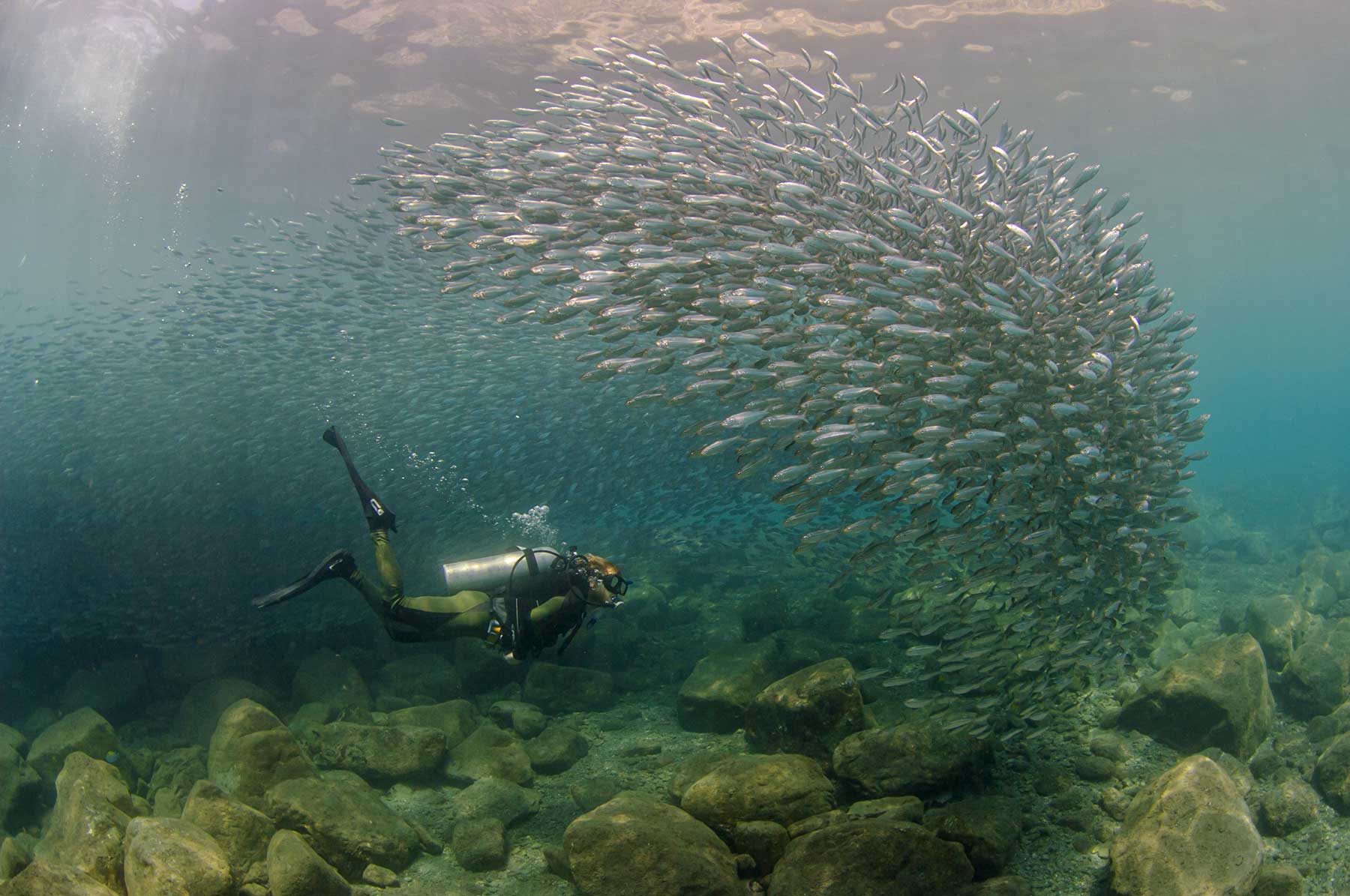
Ocean
Ocean health and the climate crisis
Examining the drivers of the degradation of our marine environment, ocean health and the climate crisis, ocean governance, and science-backed and community-led solutions

Climate and Labor
Climate resilience, gender, and adaptations
Examining critical issues at the intersection of climate and labor, including gender, livelihoods, and adaptations, as well as community resilience in the face of climate change
TYPE OF ACTIVITIES WE SUPPORT
Projects should use at least one published Pulitzer Center-supported journalism in support of one or more of the following goals:
- Improving the awareness and critical thinking of communities on the issue(s) central to the reporting you chose for your project
- Contributing to more informed and transparent dialogues and decisions, practices, and policies related to the issue(s) central to the reporting you chose for your project
- Representing and amplifying diverse perspectives, including those most affected by the issue(s) central to the reporting you chose for your project
- Equipping communities with information to take action at the local or global level
Examples of activities may include, but are not limited to:
- Community engagement: Knowledge-sharing and community organizing activities connecting reporting with audiences to deepen understanding of underreported issues and equip communities with information that can inspire action
- Creative expressions: Supporting the development of digital campaigns, public performances, and creative publication formats to raise awareness of a focus issue(s) by amplifying reporting and the diverse voices of affected communities
- Public dialogues: Facilitating transparent and meaningful dialogues that bring together affected communities, journalists, decision-makers, and academia to advance understanding of an issue at the local, national, or regional level
- Other innovative projects: Other ideas that use Pulitzer Center-supported reporting as a meaningful part of civic engagement processes, building on existing local cultural practices and creative expressions, are also accepted.
SELECTION CRITERIA
- Journalism-inspired: All projects must utilize at least one reporting project meaningfully and/or involve one journalist supported by the Pulitzer Center as a central part of the project.
- Audience-centric: All projects must have a clear target audience and explain why a project is important for them.
- Impact-focused: Designed to achieve short-term outcomes for key audiences
PROJECTS THAT ARE BEYOND THE SCOPE OF THIS GRANT
- Journalism projects: This grant does not support reporting or journalism projects. For journalism reporting grants, please visit our Reporting Grants & Fellowships page.
- Projects that are not utilizing Pulitzer Center-supported reporting
- Direct advocacy or lobbying, such as participating in congress or parliamentary meetings
- Campaigns that involve or indirectly endorse political candidates or parties
- For-profit oriented projects
WHO CAN APPLY?
- Organization type: This grant is open to grassroots organizations, community educators, civil society organizations and coalitions, youth movements, and other groups working at the intersection of journalism, civic rights, and active citizenship. The organizations should have past experience developing and implementing civic engagement activities in the Global South regions, particularly in Africa, Latin America, and Southeast Asia.
- Alignment with key issues: Proven experience working on the identified topics
- Capacity for collaboration: A track record of co-creating impactful projects with communities/organizations and operational capacity to manage microgrant resources from an international organization
Applicants are encouraged to consider the following questions when developing their project proposals:
- How has the issue you selected impacted the group you plan to engage or have engaged with?
- How are you planning to engage with them? Are they part of the project design from the beginning?
- What are the main gaps in information for your target group?
- What format are you planning to use for the project? Have you done a similar project previously?
- How does the Pulitzer Center-supported reporting support the project goals and plan?
RESOURCES AND TIMELINE
Grants range from USD $2,000 to USD $4,000. Applicants should include the amount requested and a draft budget outlining how that amount will be spent when submitting the grant application. The maximum duration for the proposal's implementation is six months (September 2026 - March 2027). Upon approval of the proposal and the signing of the agreement with the Pulitzer Center, funds will be transferred to the partner. Formal start and end dates for the project will be established in the agreement. Applicants must submit financial narrative reports and outcomes achieved at the end of the grant period. Partners are not obliged to collect detailed financial receipts.
TIMELINE — OPEN CALL
- Application process: August 15-September 6, 2026
- Selection process and announcement: Mid-September 2026
- Onboarding meeting: October 2026
- Implementation: October 2026–March 2027 (six months of implementation)
- Virtual check-in: December 2026
- Project closure and reporting: Early March 2027