Pulitzer Center Update August 7, 2026
Forests, Mines, and the Microphone: Lessons From Radio Debates on Forest Governance
Country:

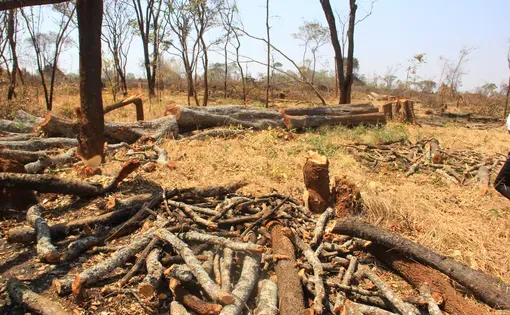
With the rush for minerals conducive to the energy transition, the vital prognosis for community...

For one month, from June 8 to July 8, 2026, Radio Okapi’s Okapi Service magazine program in the DRC reinforced its role as a platform for dialogue by addressing sensitive topics ranging from community forests in Haut-Katanga to Kahuzi-Biega National Park, not to mention the hot-button issue of carbon credits in the Congo Basin.
Each time, the same pattern unfolded: a journalistic investigation led to an expert panel discussion, sparking in-depth exchanges, followed by a lively conversation with listeners that provided essential perspectives.
Here are the lessons learned from this series of participatory radio programs:
Lesson 1: A law that exists only on paper protects no one on the ground
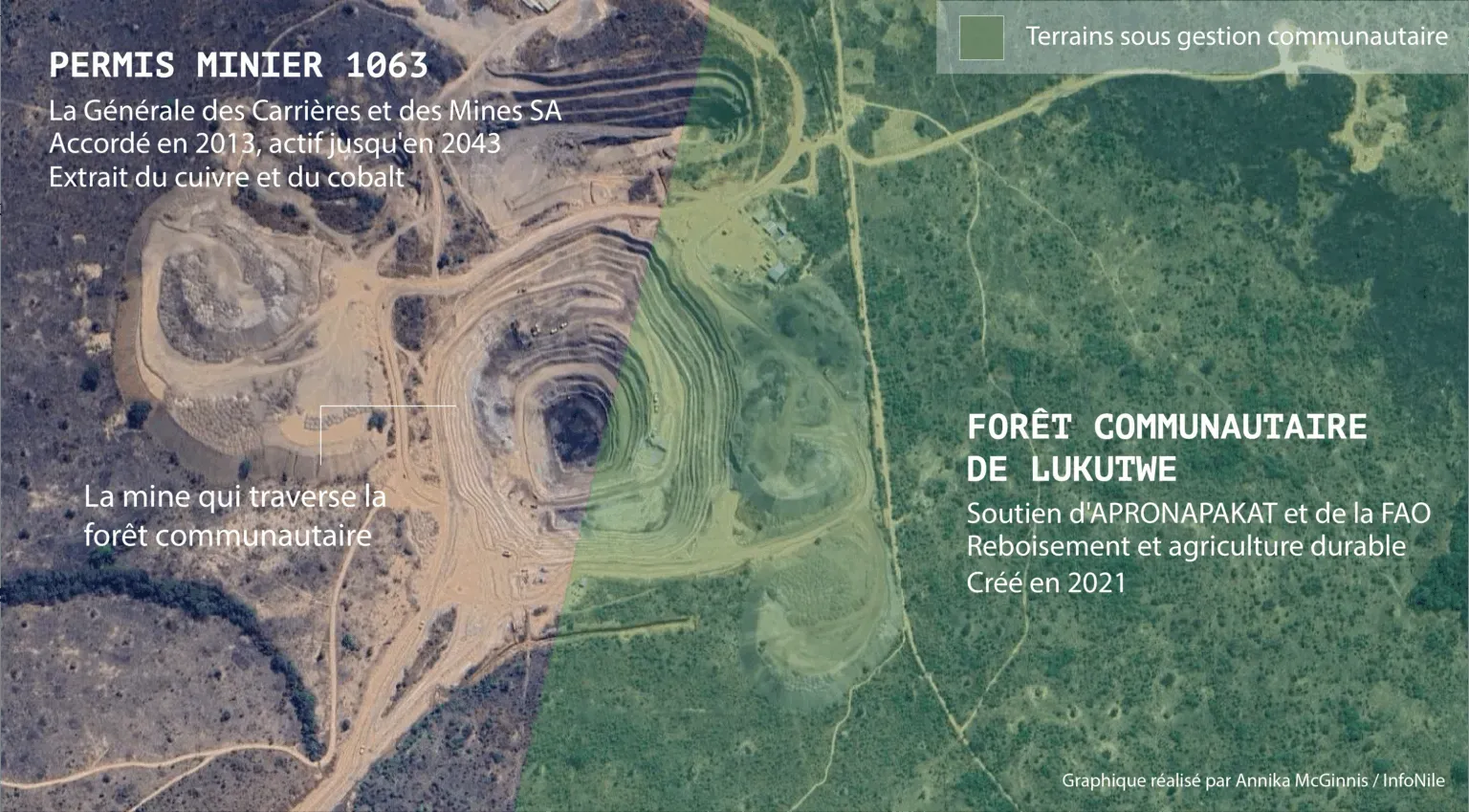
A law that is not mapped or zoned is a law that protects nothing.
On June 8, the program dedicated to community forests facing the mining rush brought together Professor Jonathan Ilunga of the University of Lubumbashi and journalist Jonas Kiriko, a Rainforest Investigative Network Fellow and reporter for InfoNile. They described a system in which community forest concessions, particularly along the Likasi corridor in Haut-Katanga, are overlapped by mining titles, sometimes on the very same plot of land, which is claimed by two legal systems at the same time.
Listeners, for their part, set the most pointed tone for the debate with statements such as: “The law says this forest belongs to us. But on the Ministry of Mines’ map, it already belongs to someone else. Who is right?” Or, “There isn’t even a reliable map. As long as there is no clear zoning, there will be clashes.”
But their message was unambiguous, echoing that of the guests on the set: without a land registry, the legal protection of community forests remains a pipe dream.
Lesson 2: Protecting a park without engaging with local residents creates conflict
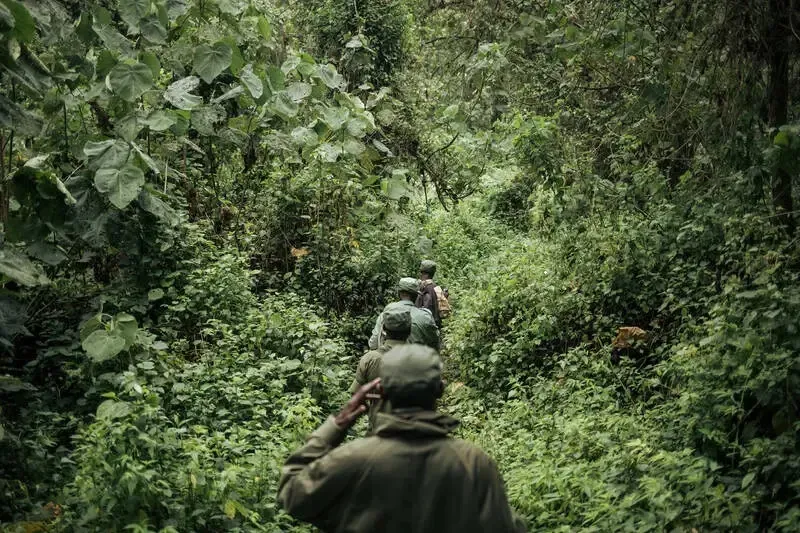
Conservation that ignores dialogue with communities does not bring peace; rather, it merely shifts the conflict elsewhere. The discussions on the set and among listeners converged on a common view: community buffer zones and income-generating activities around the park, rather than outright exclusion.
On June 19, the topic of discussion centered on the Kahuzi-Biega National Park and the eviction, without compensation, of 6,000 Indigenous Twa households. Researcher Vedaste Cituli Alinirhu and engineer Joel Bololi Itombo pointed out that these evictions had led to clashes with park rangers, sometimes resulting in loss of life.
Listeners calling in to the show added: “We’re not saying the park shouldn’t be protected. We’re saying we can’t be driven off our land without receiving anything in return,” and “What was done to the Twas must be made right. This isn’t charity—it’s a debt.”
Lesson 3: Carbon credits finance projects, not always the people
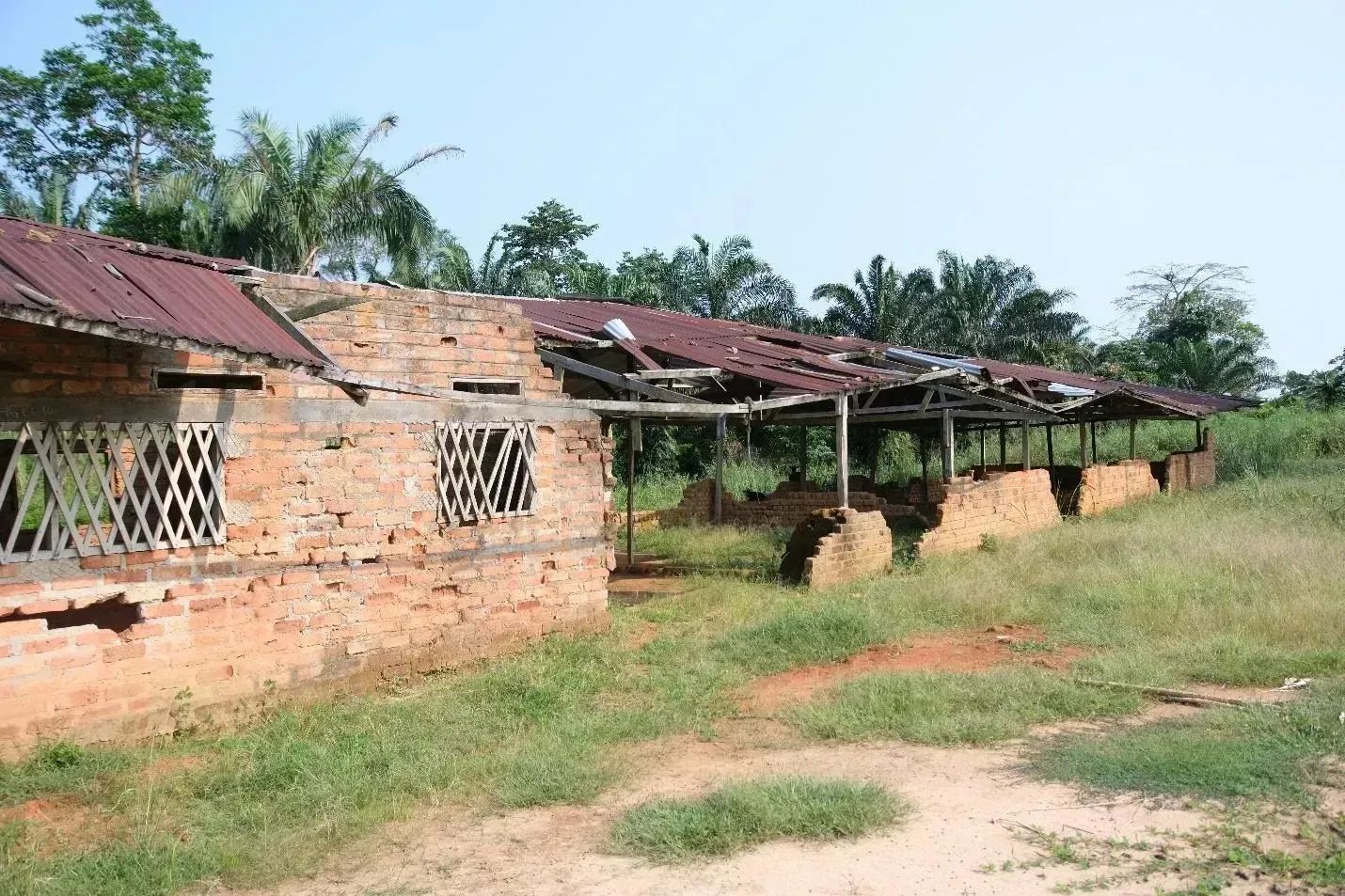
A carbon market that bypasses the communities it claims to protect ultimately leads to a loss of trust and a climate of discontent. Fair redistribution is not a minor detail; it is the prerequisite for peace and social sustainability surrounding these projects.
The latest episodes on June 26 and July 8 explored this flaw through the lens of journalist Linda Ngari’s two-part investigation “Carbon Credits in Congo: The Cost of Capture.” They raised concerns about the effectiveness of carbon credits; focusing on the Jadora project in Yafunga, the discussions revealed that, despite the funds raised, the economic benefits for local communities remain virtually nonexistent.
The listeners’ message was almost unanimous: “We hear about millions raised thanks to our forests, but we haven’t seen any of it. No schools, no roads, no health clinics,” and, “If carbon credits don’t fund reforestation or agroforestry here, what’s the point of them?”
In conclusion, this series of radio debates reached nearly 10 million listeners and more than 8,440 followers on the program’s social media platforms, demonstrating the importance of extending investigative journalism to a wider audience. This proves that a journalistic investigation—even a technical one—finds its audience as soon as it is translated into real-life questions: Who owns this land, who makes amends for this harm, who receives this money?
Firsthand testimonies from listeners have become a cornerstone in understanding these issues. The value of these programs lies not only in sharing information but also in creating a space where local voices can inform the debate. This direct feedback on the concerns of the affected communities fosters a meaningful exchange between experts and the general public.
Government-enabled corruption in the Congo Basin enables rainforest degradation and affects global...

Since the 1960 and 1970s, in several parts of Africa, international western organizations have...