Story
 July 31, 2026
Fariba Loved Studying Until the Taliban Denied Her Access to School. The Consequences Were Devastating
Country:


What a society looks like when children stop going to school.
This story includes discussion of suicide. If you or someone you know needs help, the National Suicide & Crisis Lifeline in the U.S. is available by calling or texting 988. There is also an online chat at 988lifeline.org. International help can be found at www.iasp.info/suicidalthoughts.
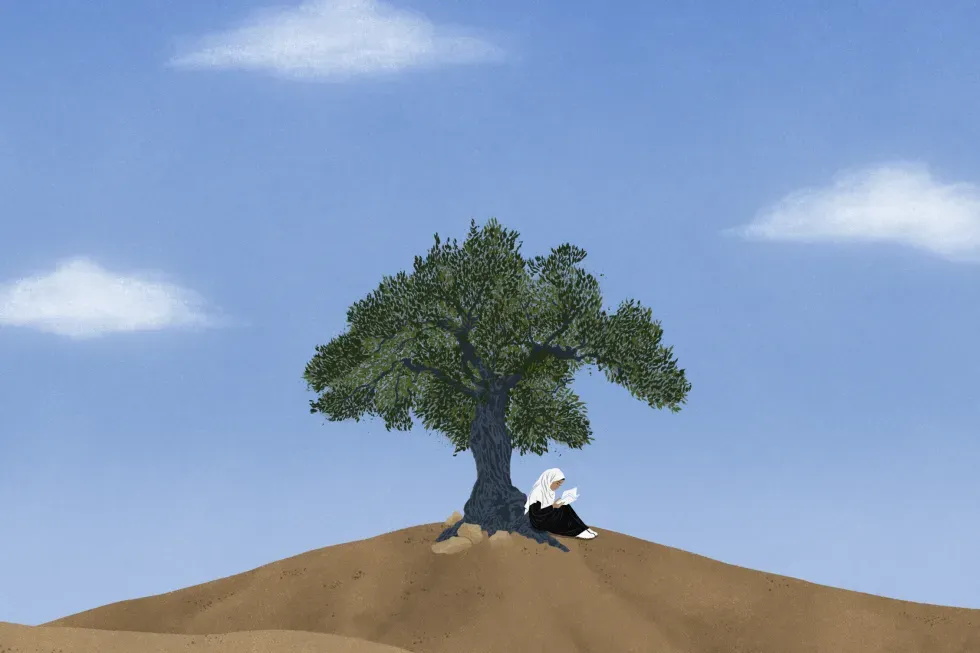
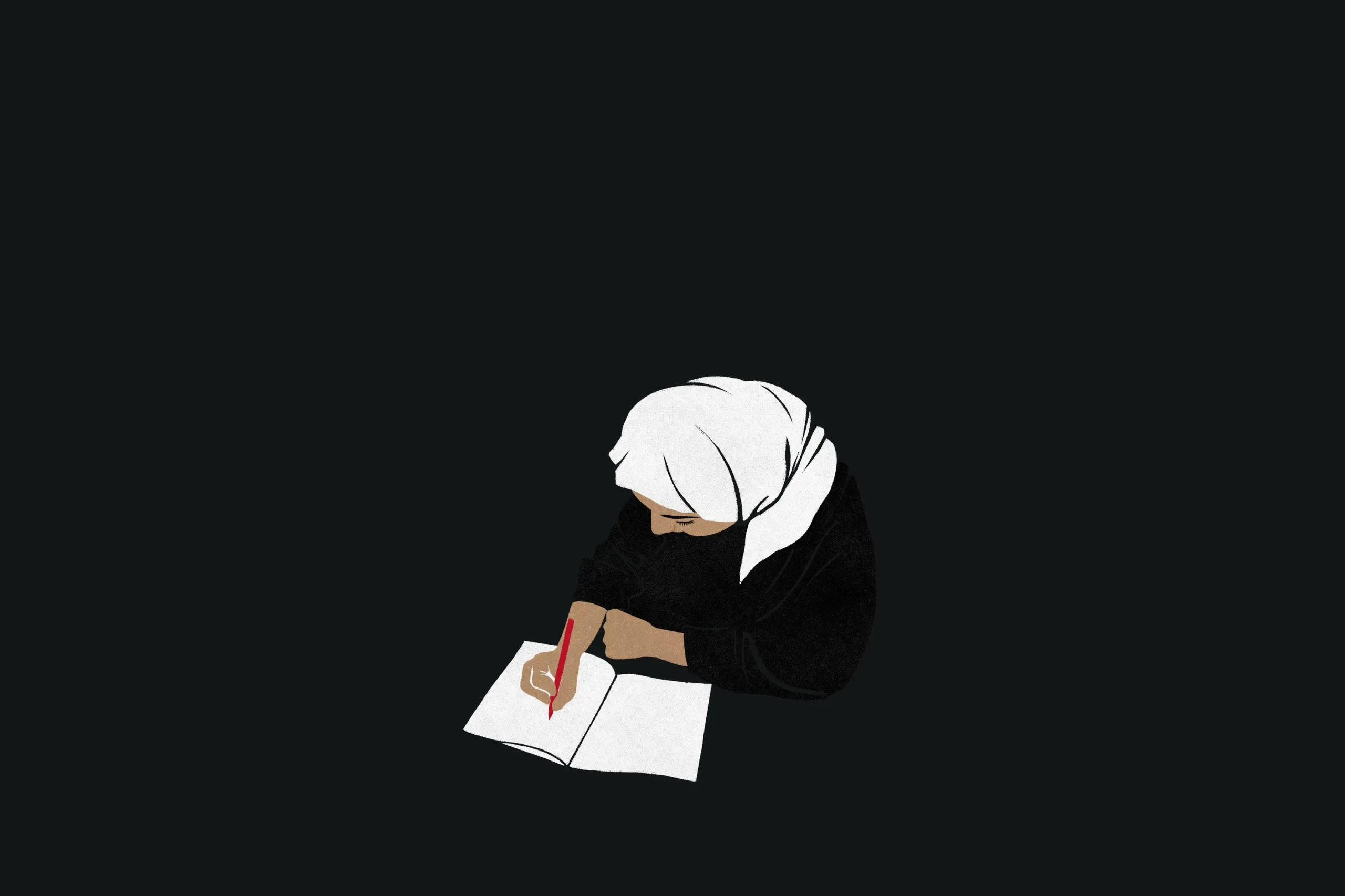
Fifteen-year-old Fariba loved studying. She often had a book in her hands.
But in 2022, Afghanistan’s Taliban-led government reimposed a ban on girls’ education beyond the sixth grade after retaking power.
For months, Fariba left her home each morning and headed to school, hoping classes would resume.

As a nonprofit journalism organization, we depend on your support to fund more than 170 reporting projects every year on critical global and local issues. Donate any amount today to become a Pulitzer Center Champion and receive exclusive benefits!
They never did.
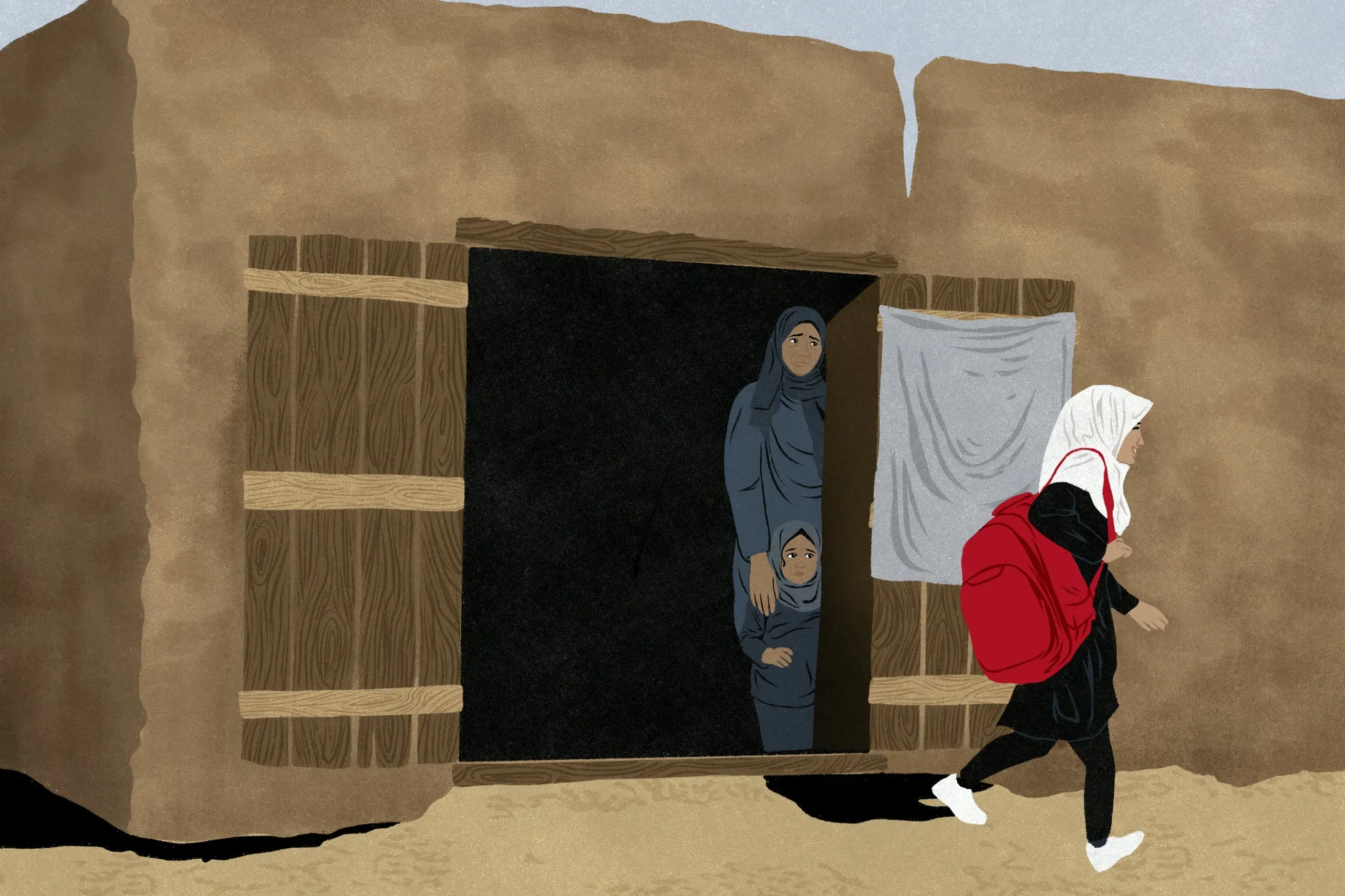
Fariba’s dream was to help people. “I want to become a doctor. I want to serve people and study,” she told her mother.
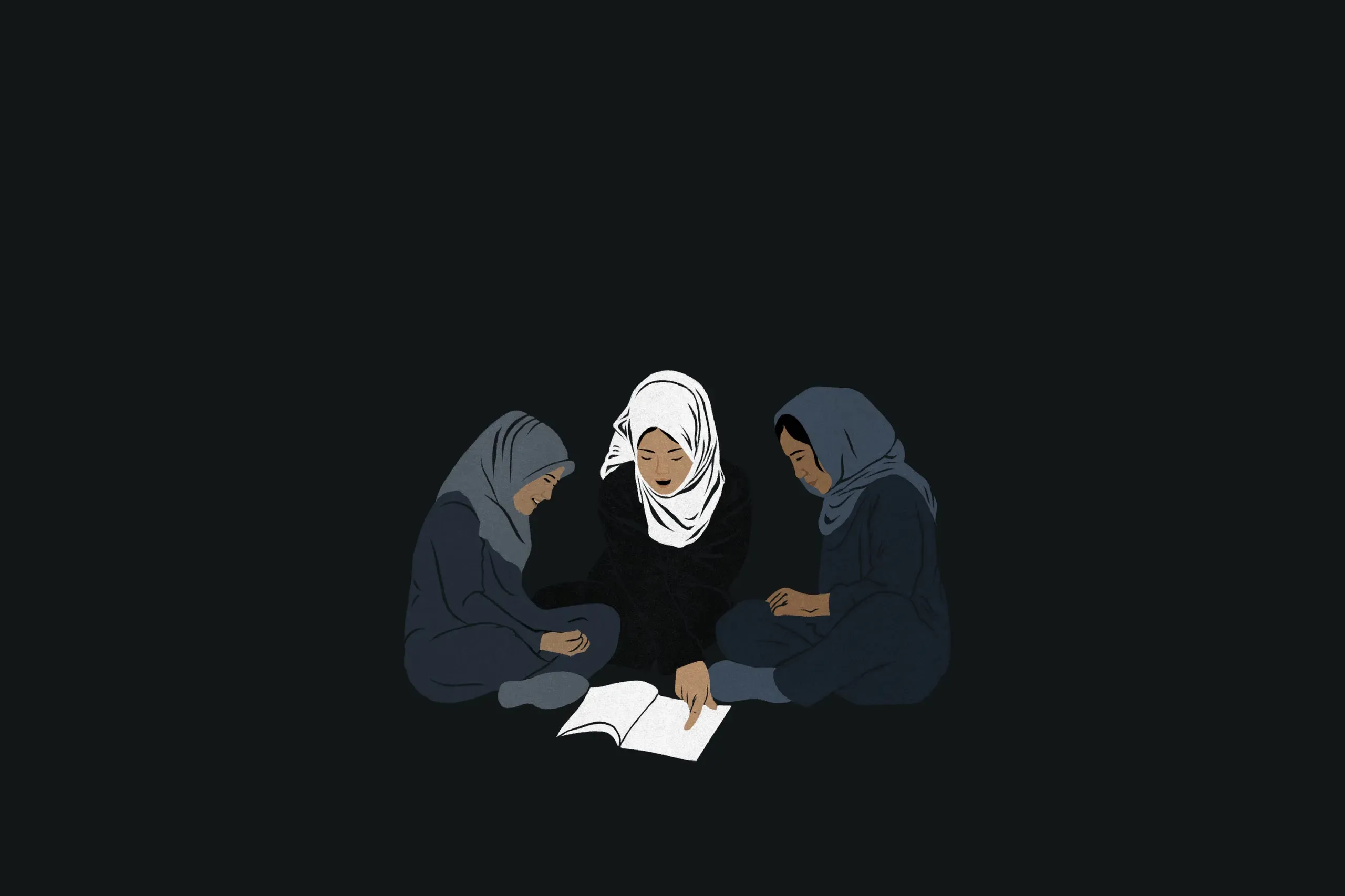
After a while, she became heartbroken and stopped talking to her mother and sisters.
“Months passed like this. She stayed in her room, she wouldn’t eat or drink and was in terrible shape,” her mother told The Associated Press.
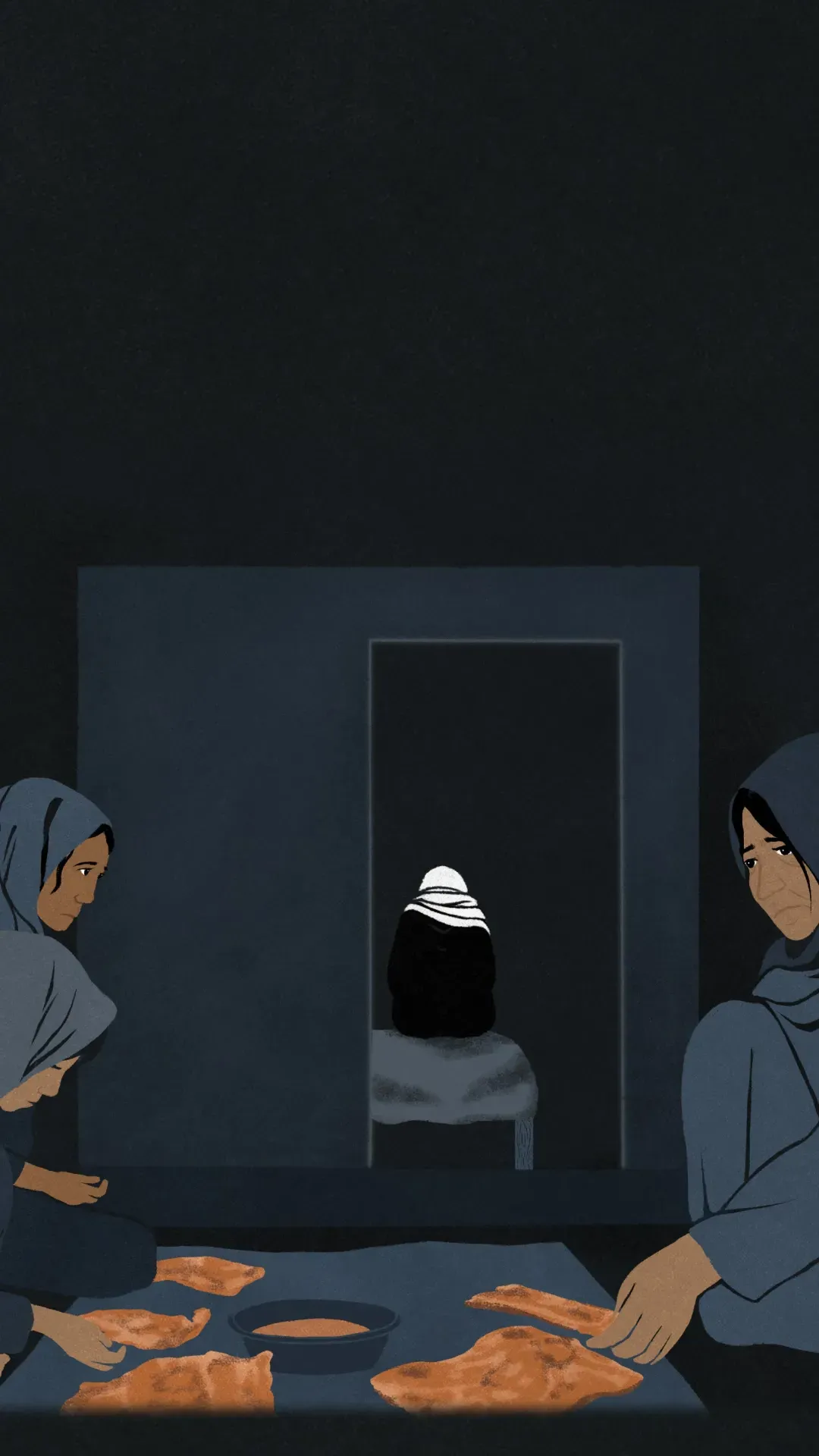
One day, her mother heard screams from Fariba’s room and ran to her daughter.
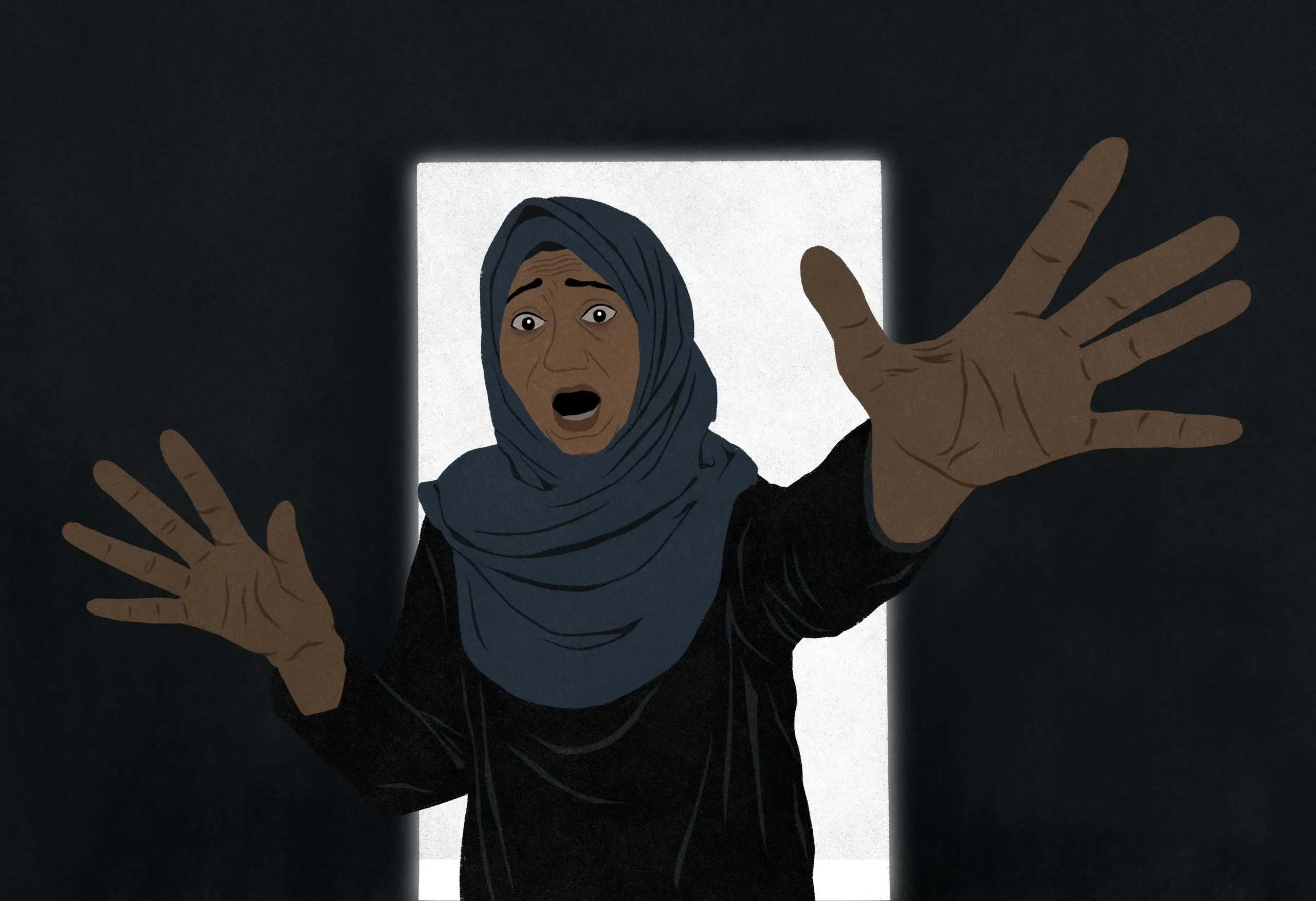
When she entered, she saw her daughter holding a knife to her neck and screaming, “It’s killing me! It’s killing me!”

Her mother wrestled the knife from her hands. “She was so distressed. I could hardly manage to hold her.” She wrapped Fariba tightly in her arms and told her, “It’s OK.”
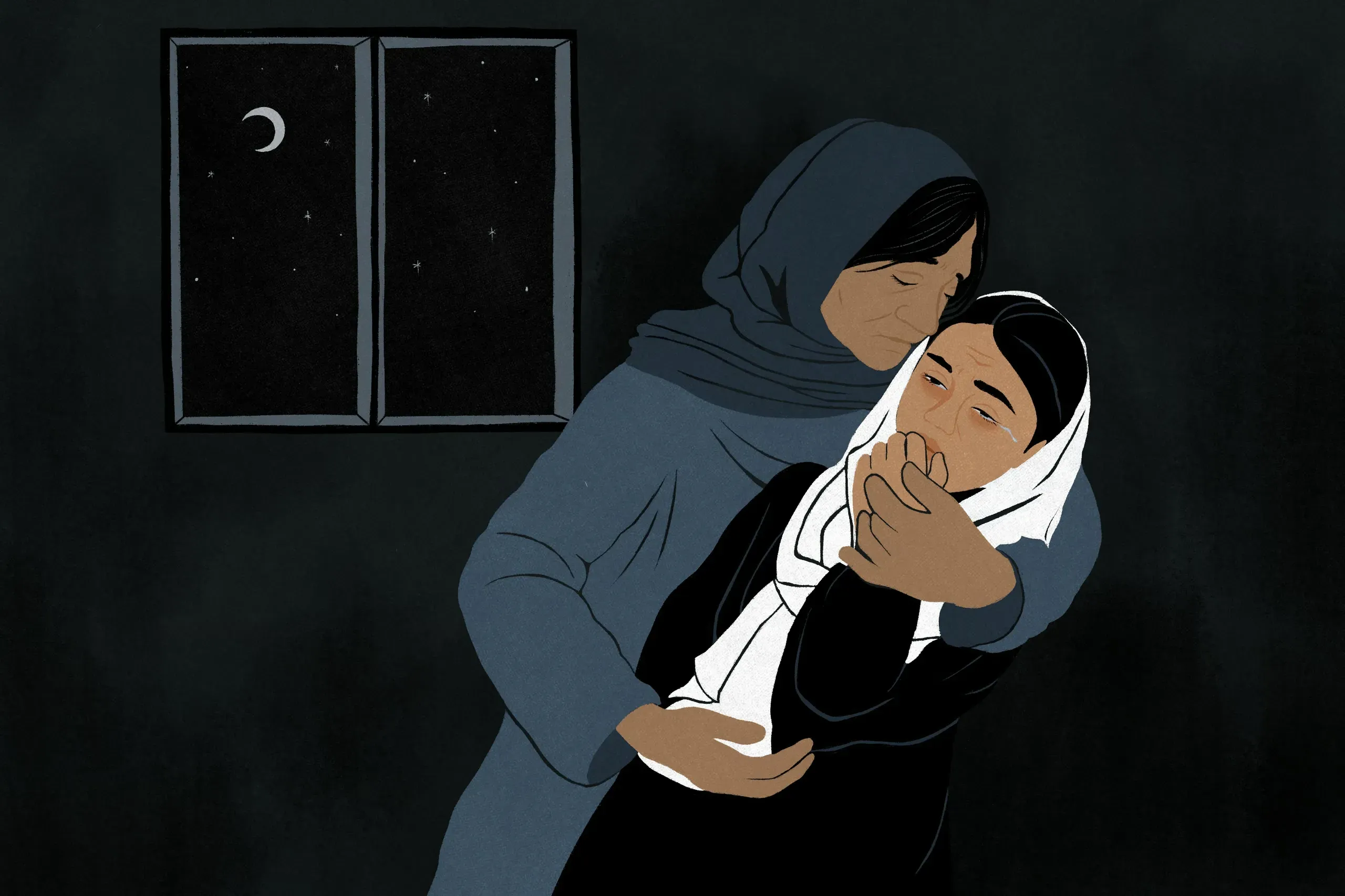
Rights groups estimate at least 2.2 million Afghan girls are out of school because of the Taliban’s secondary education ban.
Afghanistan is the only country in the world where girls are denied access to education beyond the sixth grade. Women are also banned from attending universities.
Taliban officials say they are working on conditions for the return of female education, but they have not clarified what those conditions might be.
The education bans damage Afghanistan’s economy and public health. Experts warn of child marriages, higher maternal mortality because of the lack of female medical professionals, and an annual economic loss of $500 million.
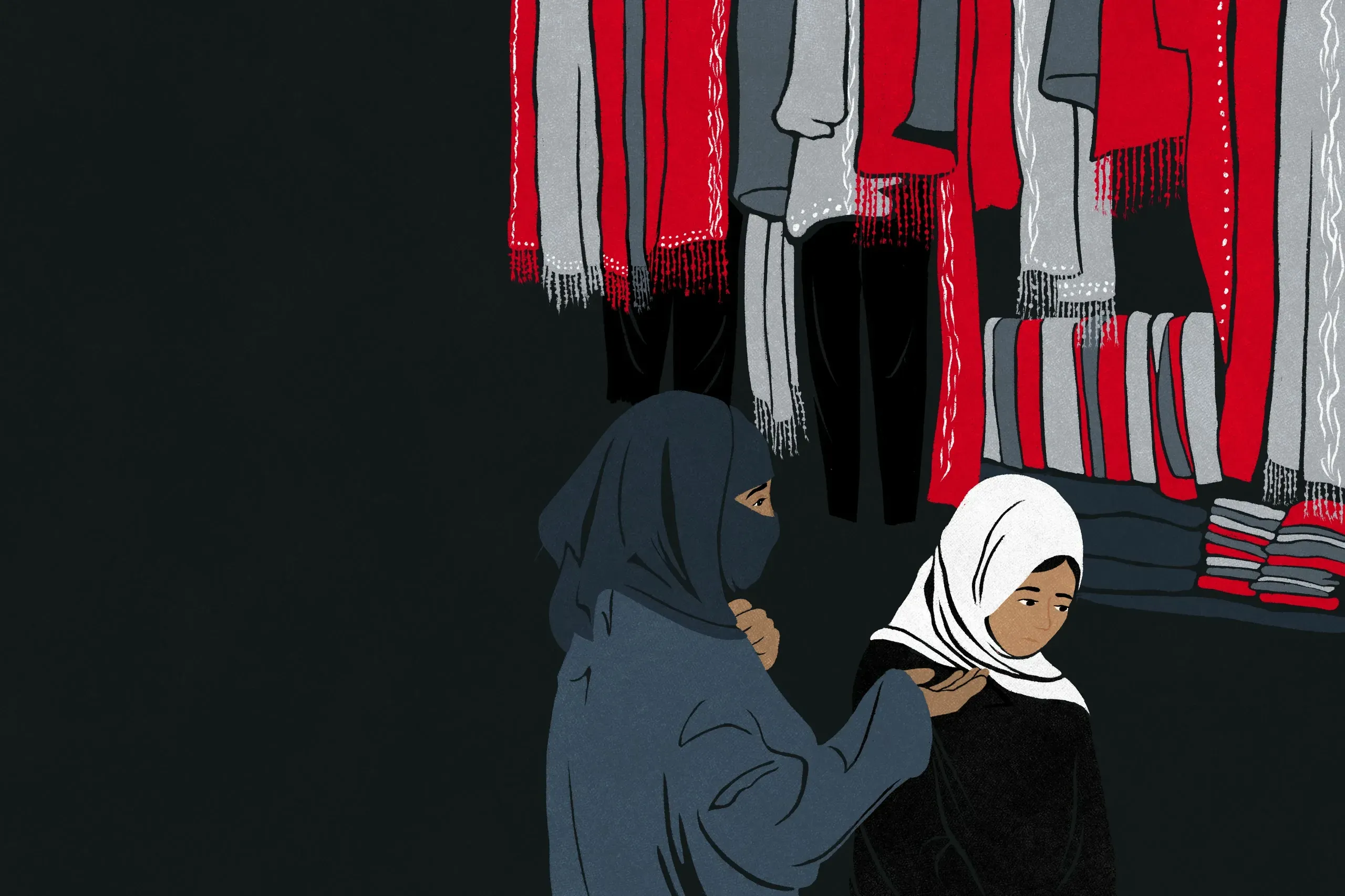
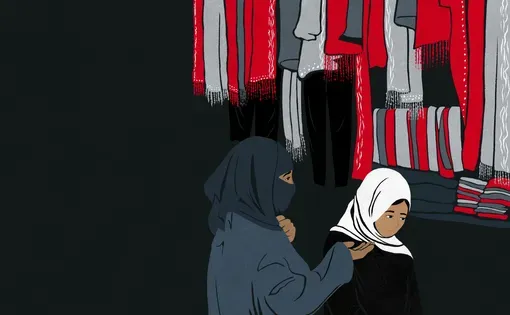
Fariba’s mother searched for ways to help her daughter. She took her to the market, hoping it would improve her mood.
“I asked her, ‘Do you like anything? Get some makeup, buy some henna, or choose something else you’d like.’ But she didn’t show interest in anything. She had no spark in her.”
They went to bed that night.
The next morning, the mother awoke to the screams and cries of her other daughters. “That’s when I realized my life was completely shattered,” she said.
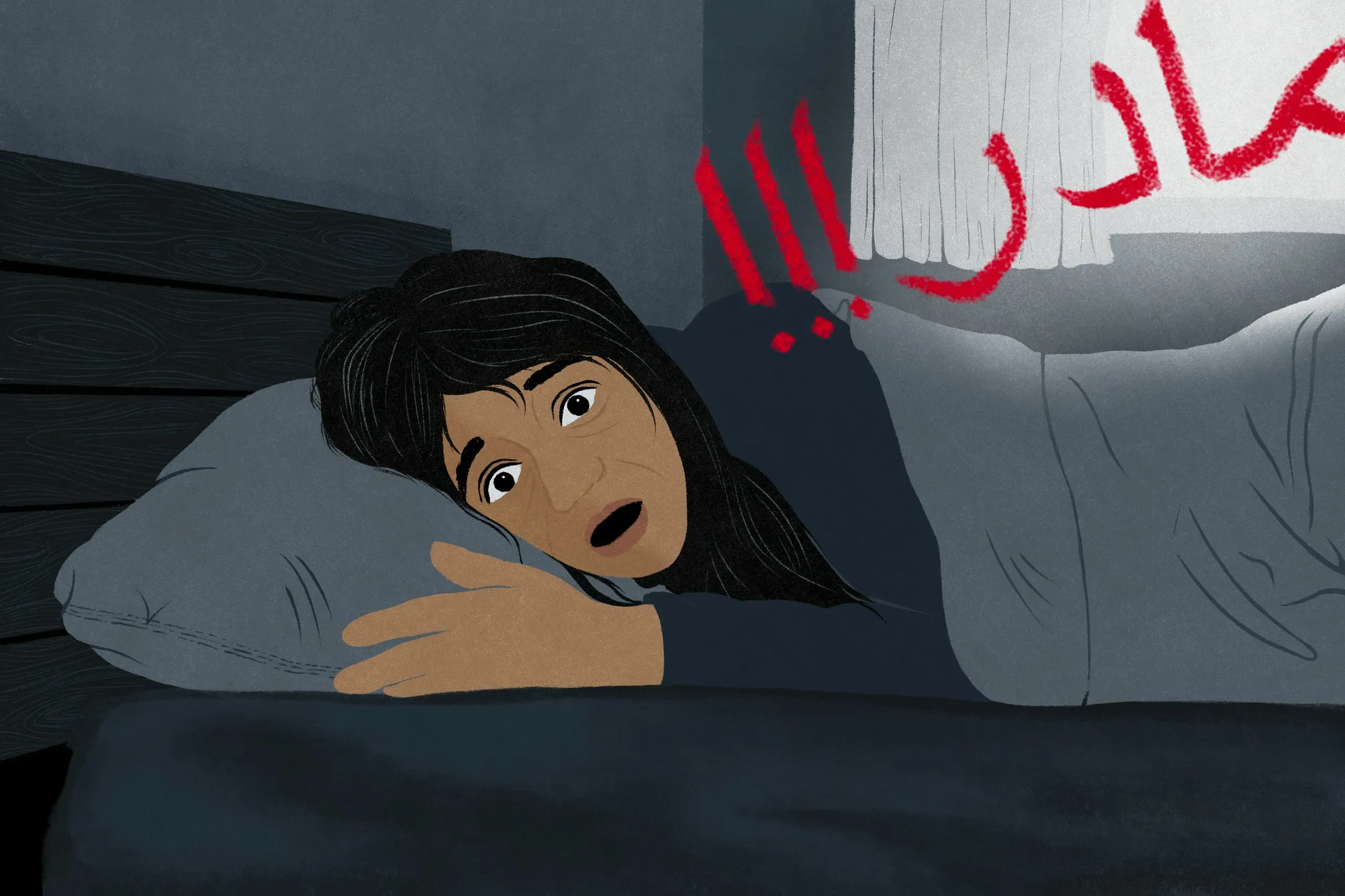
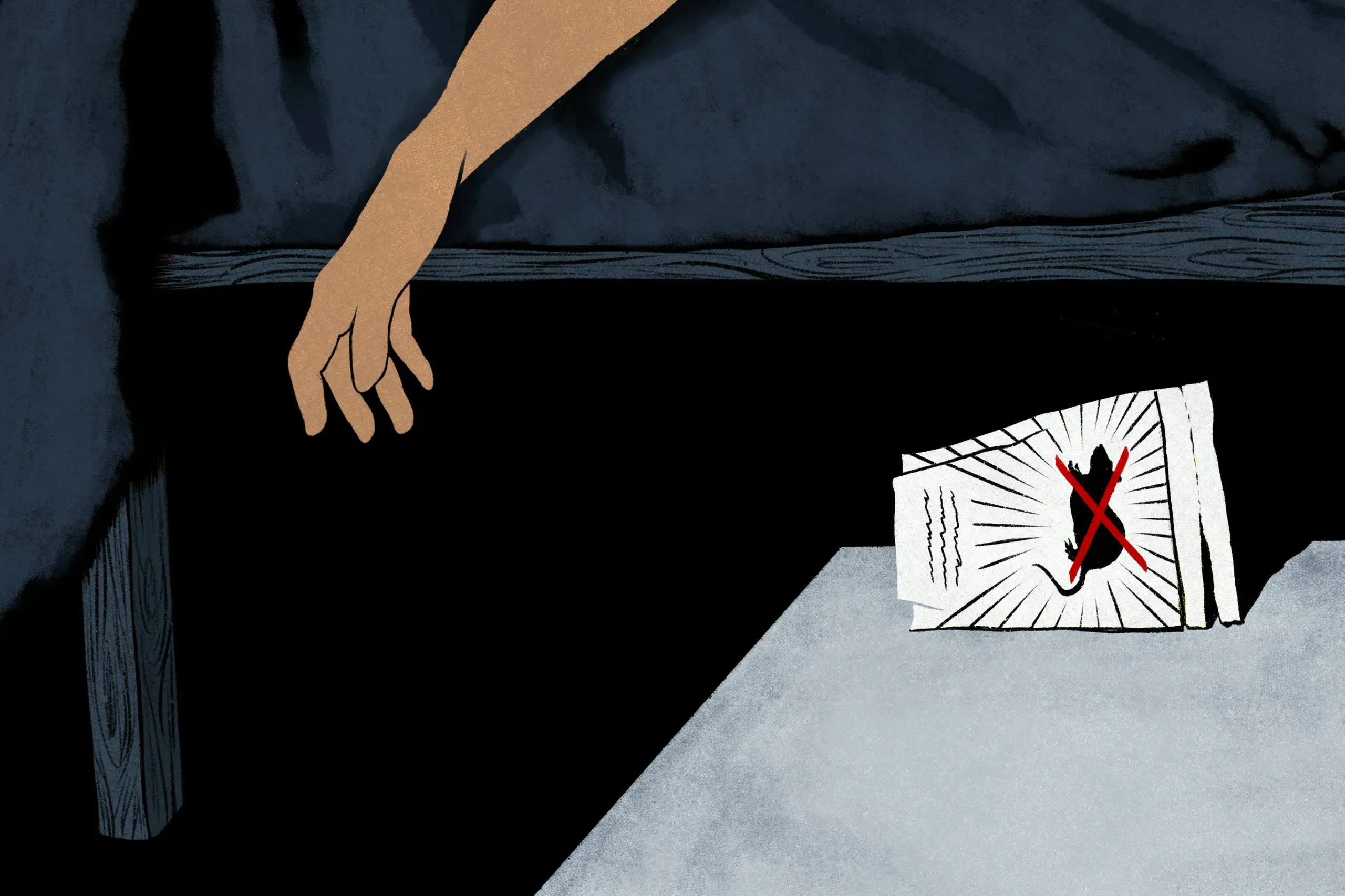
They found Fariba unconscious in her bed. Beneath it was a box of rat poison that her mother thinks she bought at the market.

Wrapped around it was a piece of paper with a handwritten note from Fariba.
“Mother and my sisters, forgive me. I can’t bear it anymore. Being a girl in these circumstances is so hard. I don’t want to breathe in this life anymore.”

Fariba died just a few months after turning 16. Because of the stigma against suicide and fear of Taliban reprisals, the AP agreed to use only her first name and not identify her family.
Rights group Afghan Witness says there has been a surge in female suicides since the Taliban takeover. The AP reached out to the Afghan government but got no response.
Story by Riazat Butt and Bram Janssen
Illustrations by Annie Ng
Presentation by Marshall Ritzel
Animations by Thijs Bul