

Students report on various issues around the world.


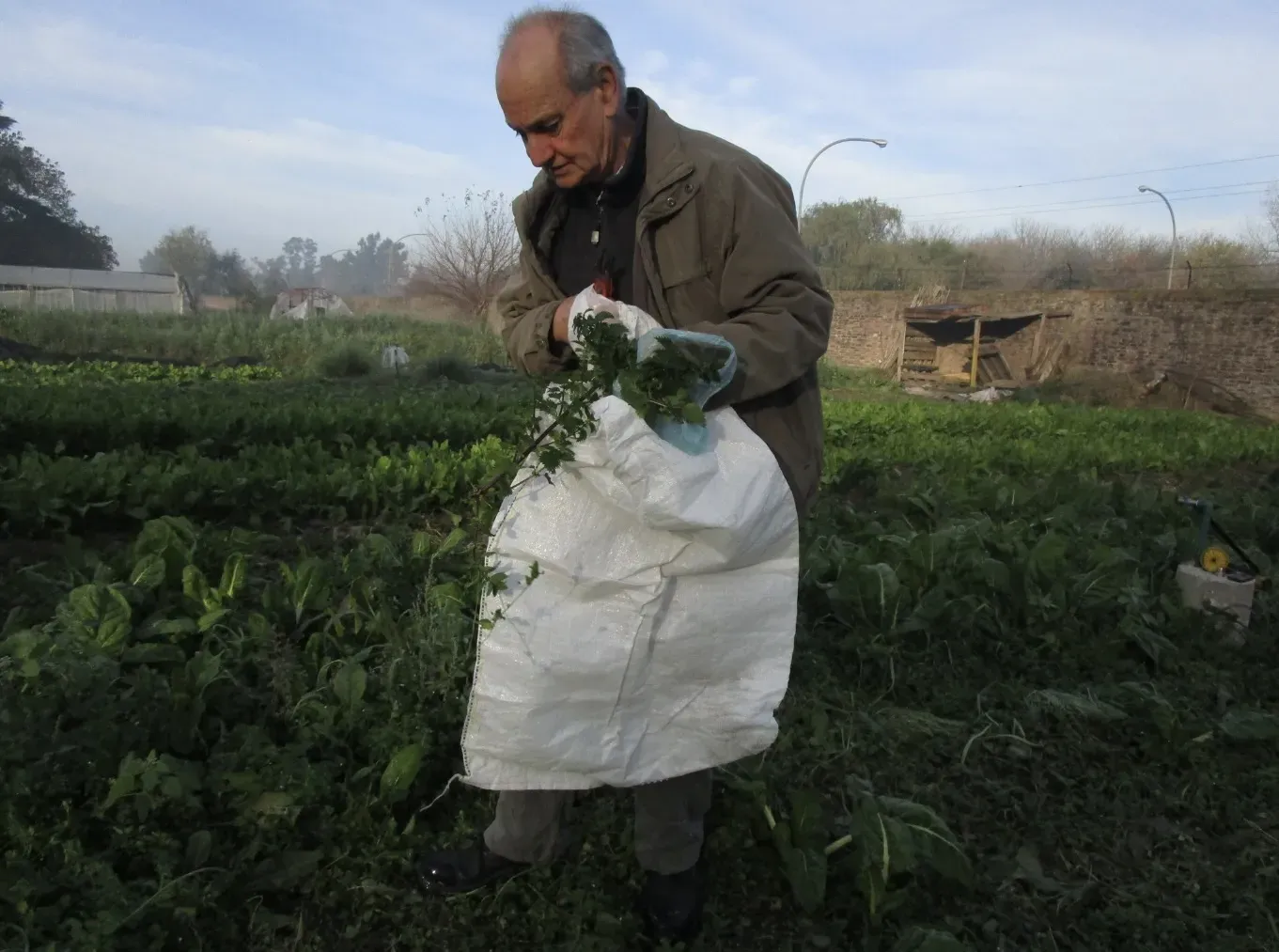
Renowned for its urban agriculture initiatives, the Argentine city is struggling to convince the next generation that working the land is worth the effort.
ROSARIO, Argentina—Rosario, Argentina, is a city of colors. It can be seen in the vibrant piles of produce at market stands, the drooping leaves forming an emerald canopy from rooftop gardens, or the quiet oases of orchard parks.
For years, Rosario has won international awards and attention for its vast urban agriculture initiatives. But those actually standing in the dirt are struggling to convince the next generation that the earth is worth the effort.
Rosario’s urban agriculture program won the World Resources Institute Ross Center Prize for Cities in 2020, a global award celebrating projects that promote inclusive and sustainable city-building. The award is accompanied by a $250,000 prize to invest in their promising food production system, a sign that other global actors believe in the model’s potential.

As a nonprofit journalism organization, we depend on your support to fund more than 170 reporting projects every year on critical global and local issues. Donate any amount today to become a Pulitzer Center Champion and receive exclusive benefits!
Today, gardeners, educators, and city officials alike are testing different strategies to tempt young people back to the land, to offer a career in the soil as a viable and resilient option in an ever-changing world.
At 47, Liliana Sosa is the youngest gardener at Hogar Español and has worked there for almost 20 years. For her, it is a place of autonomy. She took over her father’s plot, which he began after Argentina’s 2001 economic crisis, and she takes pride in being “the owner of her own life,” free from the rigid constraints of a boss or a clock.
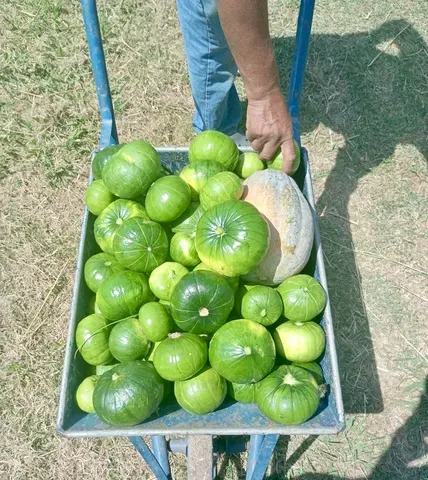
“It’s your schedule, you manage it,” she said. “But it’s also like any job—if you don’t work, you don’t get income.”
That income is often hard-won. Sosa is honest about the hardships: blistering heat, bitter cold, pouring rain, and the constant risk of losing an entire season’s work. She recognizes that this might be what is keeping young people away.
She recalls a state program that sent 15 young adults around 18 years old to the garden for a six-month period to promote careers in agriculture. Once their salaries ended, every single one left. “They didn’t connect with the earth,” she said. “They didn’t connect with this kind of discipline.”
Paula Córdoba, a coordinator for Rosario’s urban agriculture program, notes that this disconnect is part of a fraying link between ancestral knowledge and a viable livelihood. Unlike the 2001 economic crisis that forced thousands back to the soil, today’s families often opt for faster returns through small businesses and social media, unable to wait until harvest time for income.
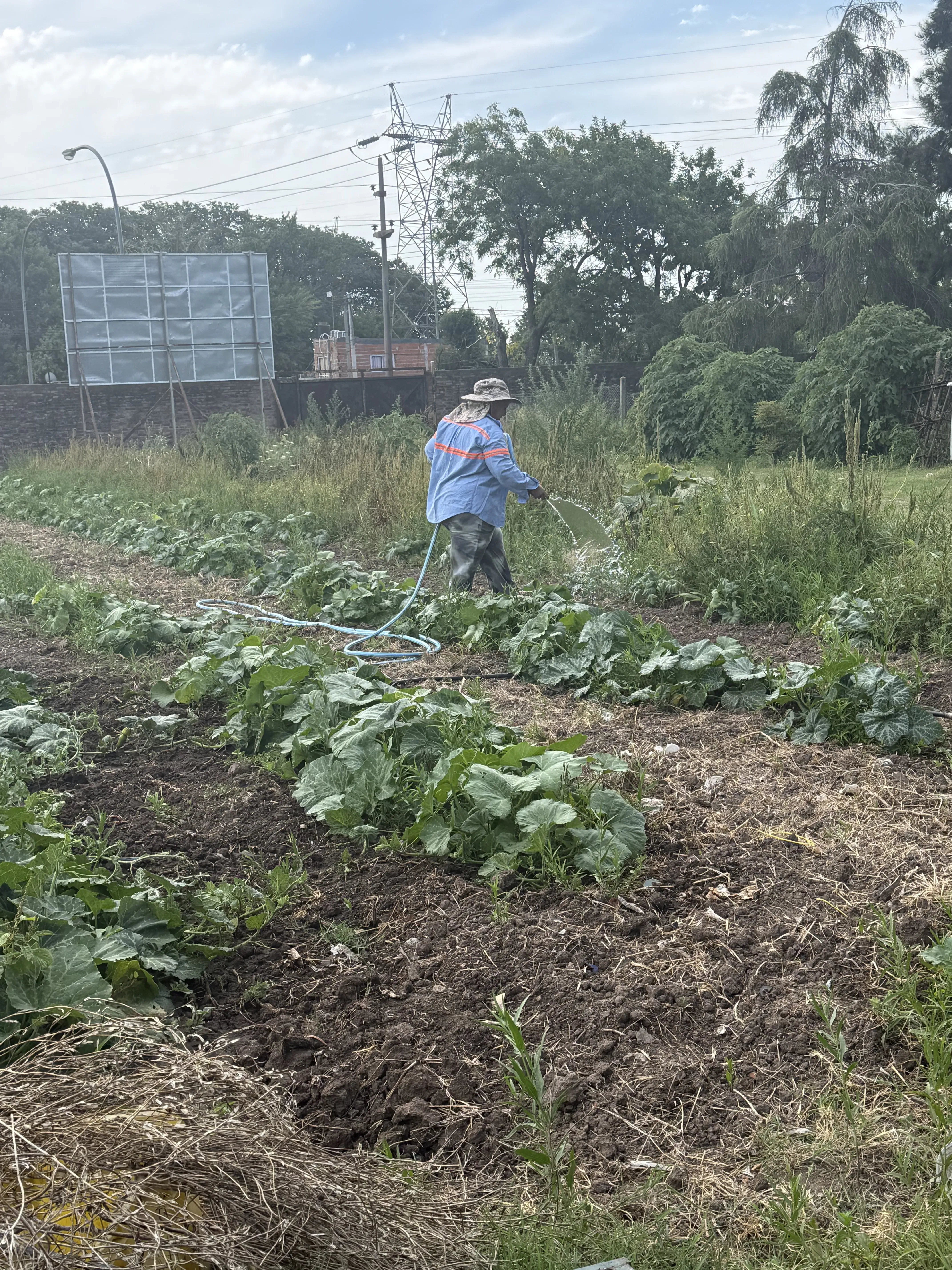
“Many families are solving their economic and social situation by economic circuits outside the formal economy,” she said. “So, that to me explains why there are not so many people today as we would expect working the land to produce their own food.”
As Antonio Lattuca, who pioneered the urban agriculture movement in Rosario, points out, the image and mentality of agriculture today also play a crucial role. It is a venture viewed as “less valued work—for the old, for the hippies.” He said that “no one can love what they do not know,” emphasizing the need not only to expose young people to the work, but also to help them recognize its value.
Geography teacher Sandra Bustamente hopes to fill that gap. Soft-spoken and deeply passionate, she carries the same nurturing demeanor as a real-life Ms. Honey. A student came to her, confiding that they “eat noodles and rice, nothing more.” Many are from low-income families facing a constant struggle with food insecurity. Such conversations prompted her to devise a way to give her students the tools they need to improve their well-being.
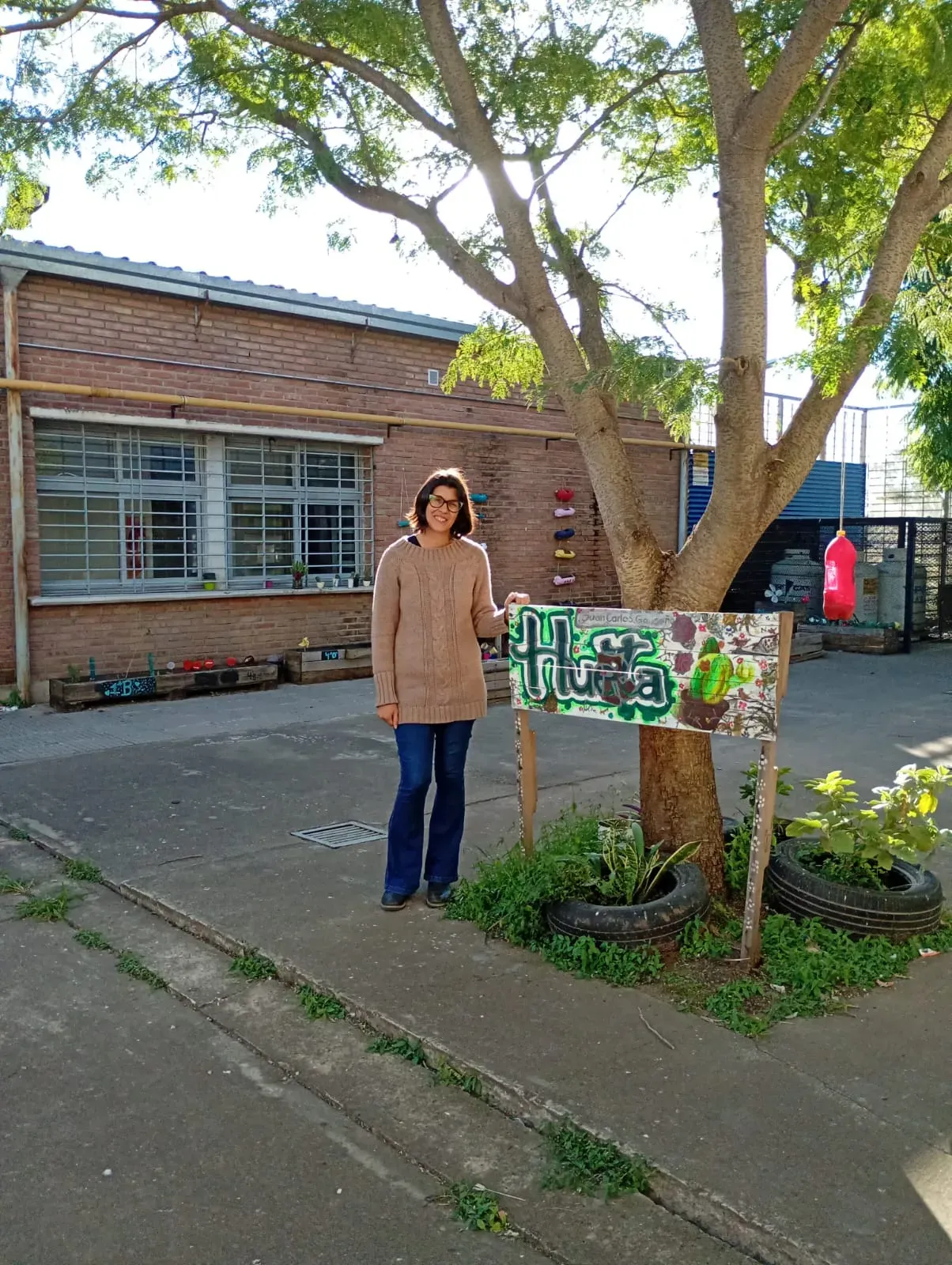
She and the other teachers started an orchard at the school, turning it into a living classroom by connecting their different subjects to tangible agricultural practices. For example, the chemistry class learned to measure soil pH to decide which plants would grow best.
All 700 students are involved in some capacity. “If you don’t like working with the land, you take pictures; if you don't like taking pictures because you don’t have a cellphone, you collect the seeds,” she explained.
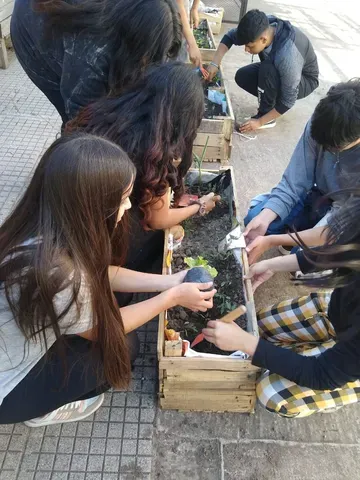
This mandatory exposure to agriculture has generated genuine interest among the teens, she said, prompting them to take the knowledge home and start their own gardens. She reflected on one such student who sent her a picture to update her on the growth of his pepper plant while school is closed for the summer.
“For me, it is very gratifying because, although that is my purpose, I know that many of the students do it by obligation and do not maintain it,” she said. “So, well, to see how they are working, how they are incorporating it, and also how they are acquiring that food is heartening.”
Her students know now that they can take old pieces of onion or the end of a carrot and grow their own food—they can create their own orchard, and the enthusiasm Bustamante witnesses is infectious.
Antonella Ferrero is one such student. While many of her peers were initially indifferent to agriculture, once they saw the production, “it attracted their attention.” Now, she is part of a dedicated group of students who water the plants and take care of the soil every day, something she deeply misses now that school is out for the summer.
“We worry about the garden even when we aren’t in school,” Ferrero said, thinking about how the heat or rain could affect the plants.
Sitting beneath the lofty green branches of an old orange tree planted by her grandparents, Ferrero said that gardening has long been a part of her family. She has fond childhood memories with her grandmother, painting pots for plants or helping prepare the soil. Agriculture is now her favorite subject in school, and she has a garden at home, too, growing everything from peppers to pumpkins to rosemary. Although she dreams of becoming a doctor after a childhood full of surgeries, the earth is now a part of her identity, and she always plans to have her own home garden.
Similar to Ferrero, veteran gardener Mario Amurrio’s children have also chosen to pursue other studies and careers, despite growing up on the land. Agriculture has been part of Amurrio’s life from a young age, as it is common in his home country of Bolivia. When he came to Argentina at age 30 looking for work, he returned to his roots and has been at El Bosque orchard park ever since. His sons and daughter still come back every Saturday to help with the harvest, but to him, the future of these gardens feels fragile.
Amurrio has seen the number of families working there dwindle from 30 to just 10, a decline he attributes to a lack of state support and insufficient public policies. Amurrio wishes the government would provide more incentives to attract newcomers to the land. “What we want is for the doors to open for us. For this to grow. For other people who see us to follow this path, because this is a good path,” he quietly insisted.
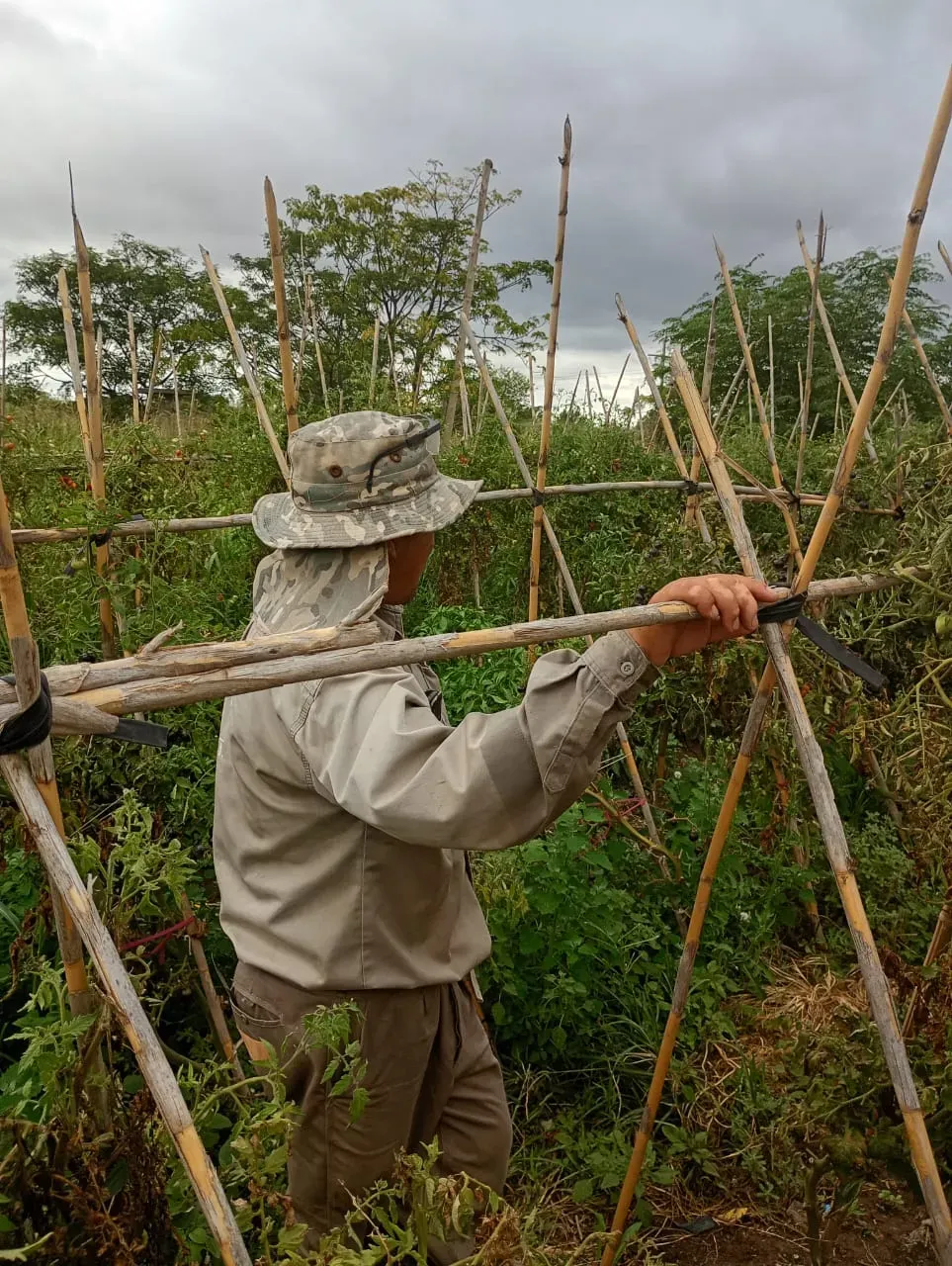
Córdoba, the coordinator at the city’s urban agriculture program, has spent her career helping gardeners like Amurrio. She agrees that it’s crucial for the state to provide the basics: water structures, land access, and technical assistance.
“When the state is committed to guaranteeing the basics to achieve an income, to eat in another way, to dignify the lives of people, that is important,” Córdoba said.
She envisions a future where “diffusion and visibility” are promoted through technology: drip irrigation, tractors to scale production, and better mobility to transport produce from the orchard parks to central markets. For Córdoba, the goal is clear—the program must evolve and meet these challenges head-on to create a profession young people are excited to pursue.
Lattuca points out that there is still more that could be done. If the government can promote the development of industries like General Motors, it could subsidize agriculture to support the sustainable practices required to build a healthy food system. “Without the state, it is very difficult,” he warned, “but the state alone cannot do it.”
He noted, with frustration, that Rosario is the only city in Argentina with such a program, receiving no support from provincial or national governments. So, they must also rely on outside organizations. He recalled how international partnerships, such as funding from the Italian Institute of Economic and International Cooperation for irrigation and tool improvements, helped shift the city’s perspective, proving that agroecology was a global movement, not just a project for poor districts.
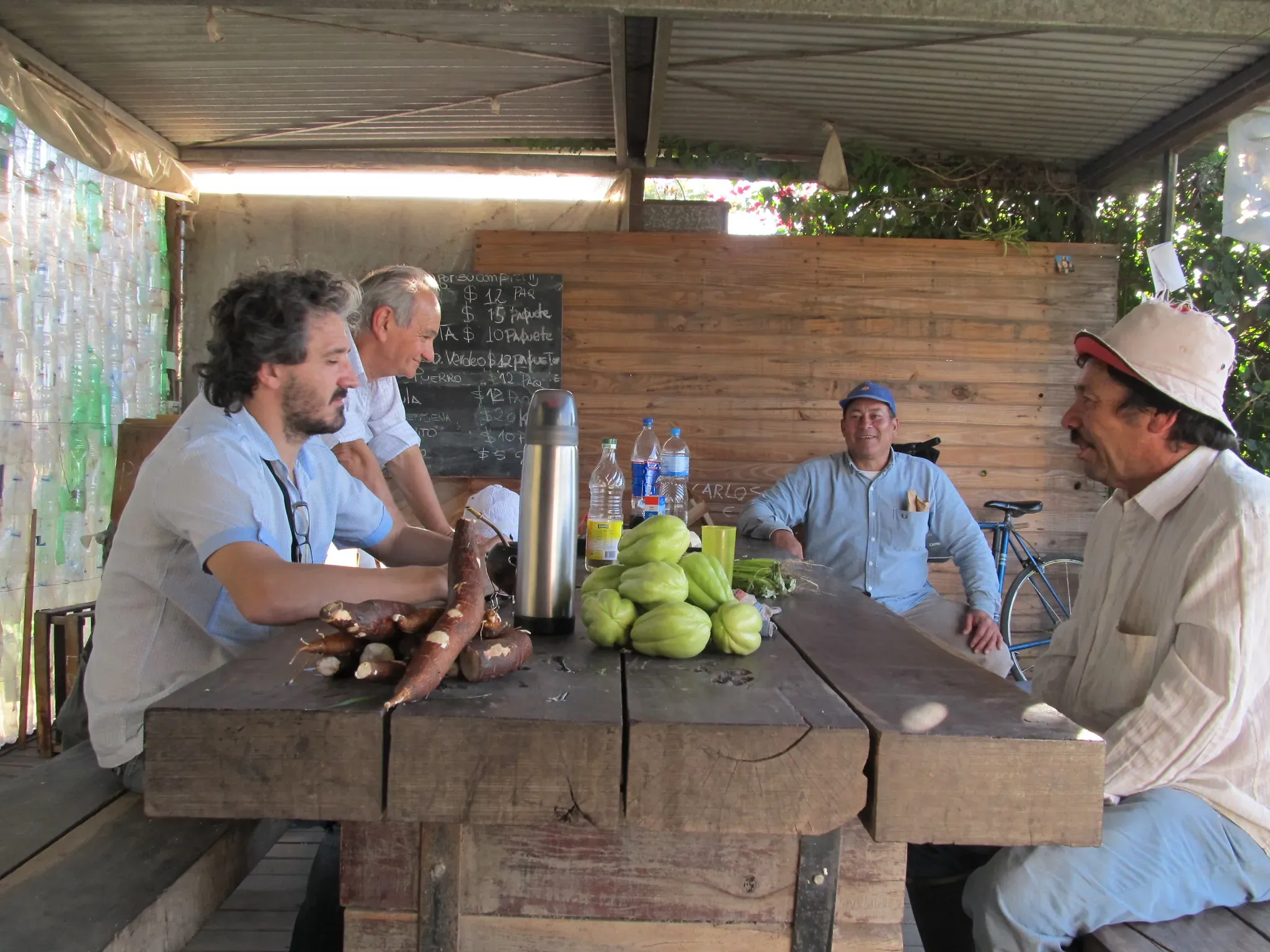
Rosario, Argentina, is a city of colors, but the future resilience of the city lies in strengthening the green.
“Agriculture should be a transnational policy,” Lattuca said, “because agriculture touches health, the economy, the climate, it touches everything—and yet, as it is not valued, it is not an integral policy, and it will have to be.”