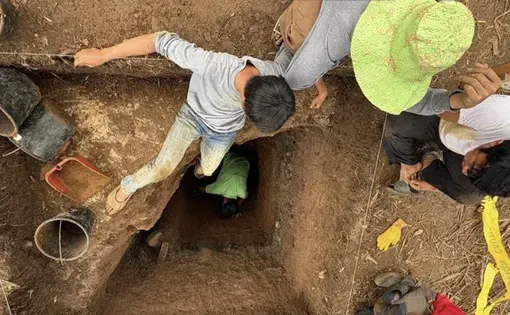

Ken McLaughlin spent two weeks on the island of Mindanao, Philippines, following an unlikely team of American volunteers and Filipino archaeologists as they dug beneath a public park in Marawi, a predominantly Muslim city deemed too dangerous for official U.S. recovery crews. The archaeologists joined the search for three American servicemen executed by Japanese forces in 1942—and helped test a possible new model for finding the remains of the missing as the Pentagon drastically reduces recovery missions across Southeast Asia.
The Marawi excavation yielded no remains. But the project trained the young Filipino archaeologists to use a donated ground-penetrating radar system and built the local trust needed to pursue other cases, including that of Brig. Gen. Guy Fort, the only American-born general executed by enemy forces during World War II.
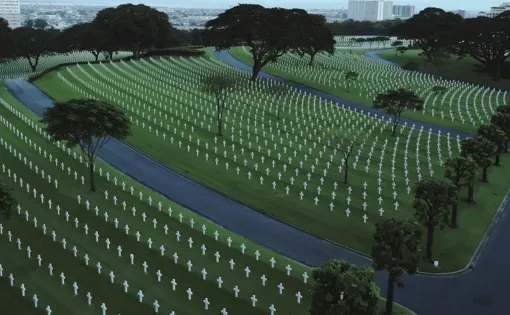
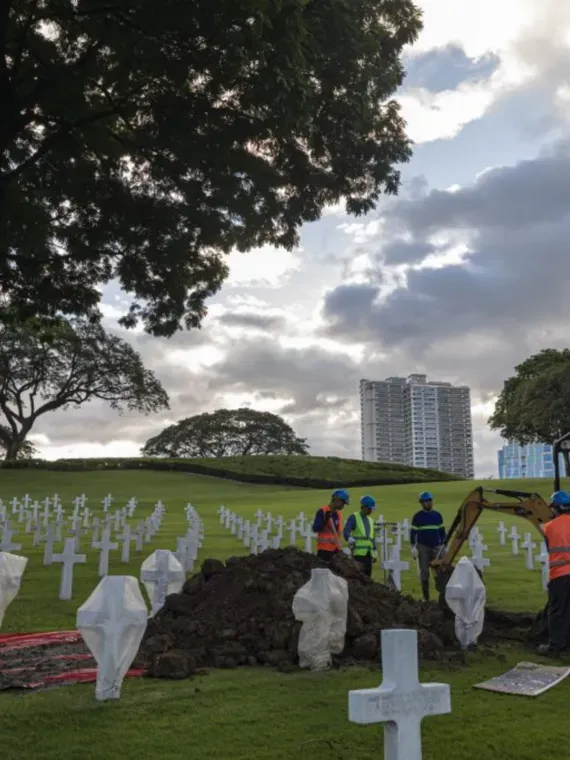
Reporting also examines what may be lost as the Defense POW/MIA Accounting Agency cuts back on fieldwork in Vietnam, Laos, and Cambodia—from 42 in fiscal year 2025 to 13 planned for 2027. With about 180 U.S. service members still missing on Mindanao alone, nonprofits say locally based teams can keep investigating between U.S. missions. Their approach raises a larger question: Can the effort to bring home America’s missing service members become a shared mission with the communities where they disappeared?