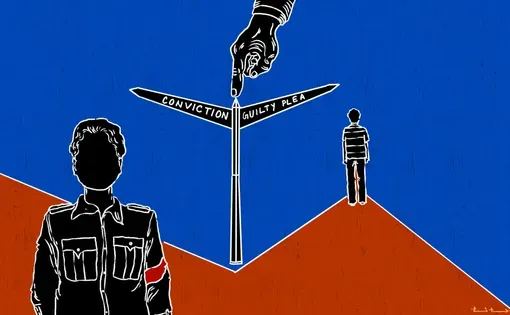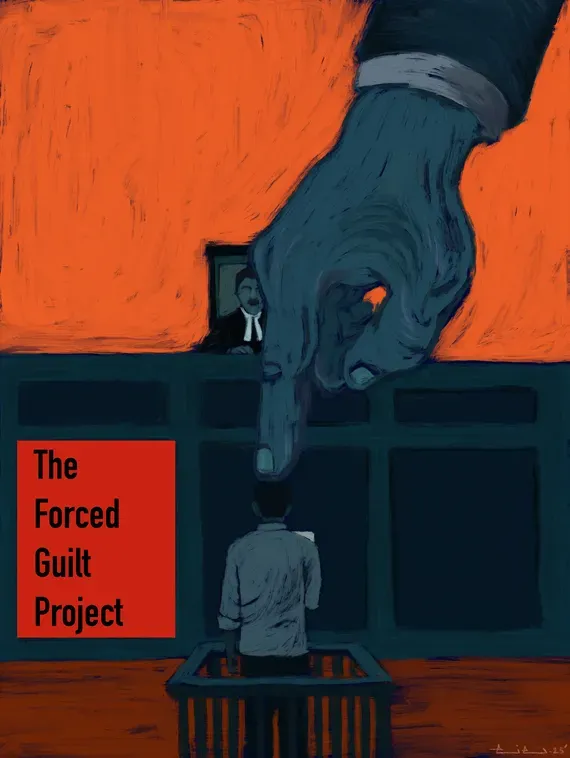

The Forced Guilt Project is a five-part investigative series that exposes the hidden mechanics behind the near-perfect conviction rate of India’s National Investigation Agency (NIA), the country’s premier counter-terrorism agency.
Over two years, the investigation examined scarce public data from more than 600 NIA cases, scrutinised court records and chargesheets, and drew on exclusive interviews with accused individuals, their lawyers, families and official sources.
Each part of the series reveals how the agency’s growing opacity and power, fuelled by successive legal amendments, prolonged pre-trial detention, and near-impossible bail conditions under the draconian Unlawful Activities (Prevention) Act (UAPA), systematically push accused persons, predominantly from the Muslim community, to plead guilty without ever receiving a fair trial. The project documents the NIA’s reliance on coercive detention, threats, and the piling on of multiple charges to break the resolve of the accused and secure pleas.
The series lays bare how an institution created to combat terrorism has, in numerous cases, prioritised convictions over justice. It also examines the judiciary’s role in sustaining this framework.