Pulitzer Center Update November 21, 2025
Pulitzer Center Journalist Visits University of Oklahoma To Give Insight on Conflict in the Media
Country:

The impact of the Trump administration’s decision to shut down USAID


Editor's Note: The following update was originally published in the OU Daily.
Pulitzer Center grantee Molly Knight Raskin remembers being a graduate student at Columbia University, embarking on her first reporting assignment. It was city council election day in West Harlem. Notebook and pen in hand, she was eager to impress her professors and prove herself as a journalist.
That day was Sept. 11, 2001. Raskin never went to the city council meeting. She watched explosions play on her TV, knowing the twin towers were only a few miles away from her New York City apartment. Raskin said 9/11 was a wake up call, and it taught her that real journalism happens on the ground, at the scene.
“Oftentimes in journalism, something happens,” Raskin said. “Everybody else is running this way or not wanting anything to do with whatever this moment may be, and you've got to go in, and by that, I don't mean into the flames or into the war, but I mean you have to go confront, sometimes, some really difficult stuff.”
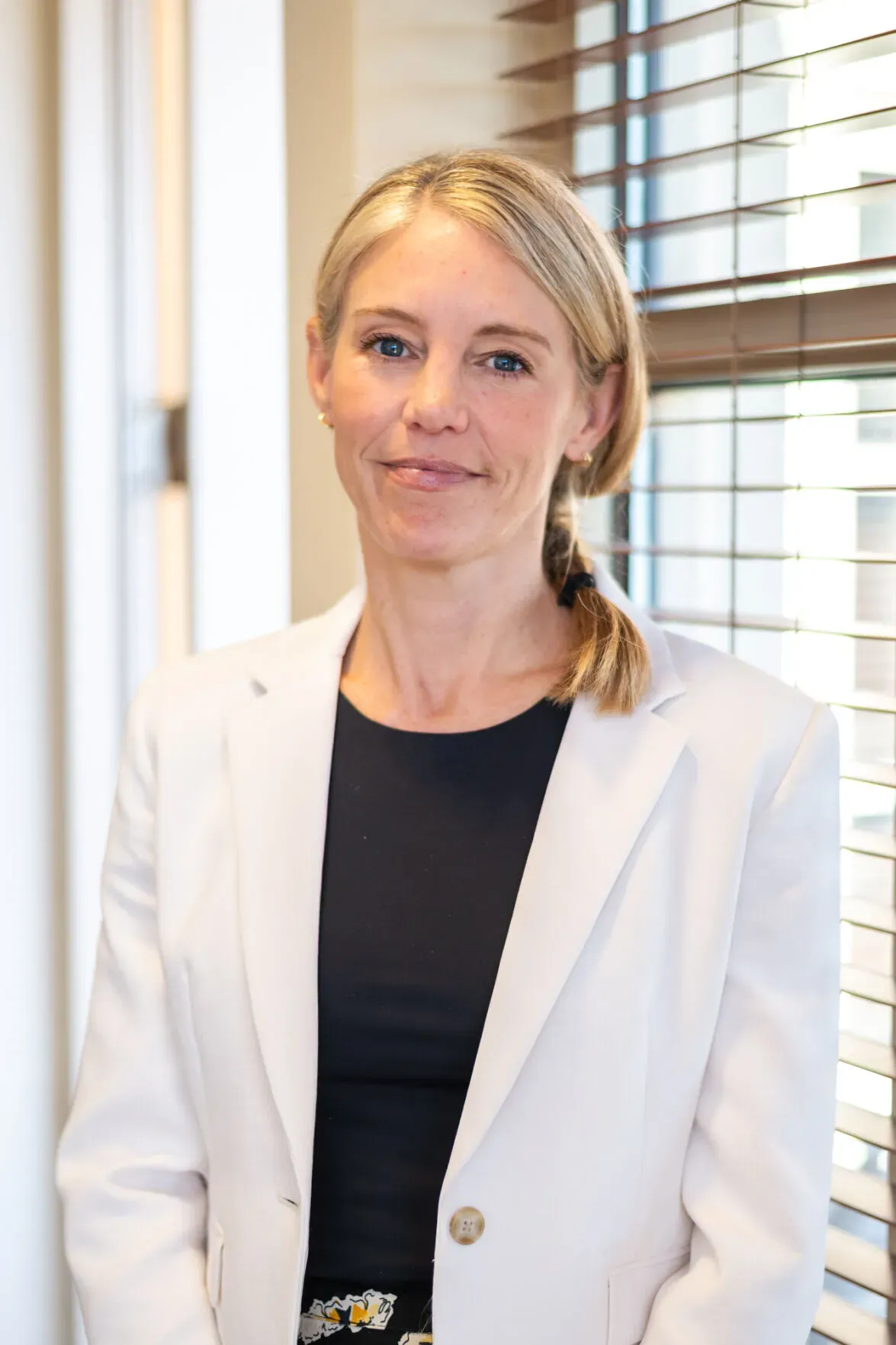
Raskin is now a freelance journalist and has reported in over 30 countries, contributing to PBS' NewsHour and the documentary program FRONTLINE; producing content for Netflix and National Geographic; and writing magazine feature stories. Raskin visited journalism students at the University of Oklahoma on a tour with the Pulitzer Center to discuss her career and experiences, calling on young journalists to improve their industry amid political tension.
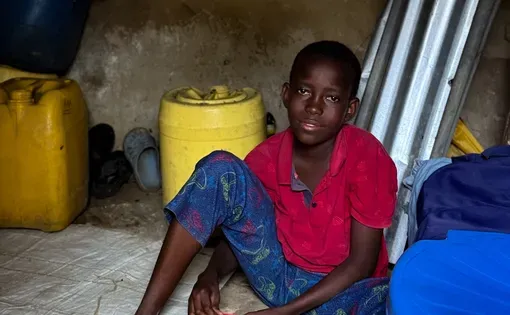
Last summer, Raskin covered the impact of cuts to the U.S. Agency for International Development in Kenya and Ghana, supported by a grant from the Pulitzer Center. An executive order halted foreign aid in January. She said it was the hardest story she’s done yet. Sourcing was difficult, because fired federal employees feared retribution for speaking with the media, and locals in Africa were distrustful of Americans after USAID left so abruptly. The story itself was heavy, too, and Raskin met sick and dying people in their worst moments.
“(It) did make me feel like maybe we did something that made a difference,” Raskin said. “And those are the stories where I feel most proud.”
Raskin said political pressure makes reporting today more difficult than ever because national leaders are increasingly hostile to the press. She discussed how Congress cut funding to PBS, her main employer, in July following an executive order that halted funds in January, and how journalists left the Pentagon last month in protest of new rules that require government approval of all reporting.
News media is conflict-ridden too, full of people “screaming at each other,” Raskin said, adding that makes audiences turn away out of frustration and exhaustion. She said the situation wasn’t so politically contentious ten years ago, but now it’s completely polarized.
“News didn't mean picking some political side, it meant news,” Raskin said. “Now it is so charged and so angry that people are tuning out. So the challenge now for journalists, and certainly for you, will be to find that balance. Where can you bring it back?”
Raskin said it’s crucial to get news from a variety of sources because technology and inflammatory media push people to extremes.
“We can't continue on like this,” Raskin said. “(It} doesn't serve us to have news that is that polarized. It doesn't help us move forward as a society, doesn't help us identify problems that we all care about and fix them.”
Despite industry issues and difficult stories, Raskin said she loves her job, adding she has to pinch herself sometimes to remember it’s real. One such moment was in 2015, she said, when she spent a week in Kenya with Maasai warriors trailing a family of elephants in the valley of Mount Kilimanjaro to cover poaching. Raskin said being a reporter certainly isn’t a desk job, but it’s an opportunity to have moments like watching the sunset behind Mount Kilimanjaro.
“Put yourself in their shoes,” she said. “Put yourself in that meeting or that moment or that experience or that game, or that person's … experience, and find what's interesting.”
Raegan Garvin, a senior broadcast journalism major, said Raskin reminded her it’s important for all reporters to be aware of the political discourse surrounding journalism. Garvin also said Raskin encouraged her that the world will always need journalists, and covering tough stories will continue to be important.
“That inspired me to do the stories that nobody wants to do and to do the things that are hard, because that's what we need as a society,” Garvin said. “People to tell the good stories and the bad stories.”
Raskin said local reporting is crucial for developing reporters because it gives them on-the-ground, community experience. She said her time at the Baltimore Sun after graduate school taught her that. As a young reporter, Raskin said, she covered stories no one else at the Sun wanted to, like weekend crime and wedding columns, but she continued to take on every story, no matter how small it seemed.
Raskin said the best training for reporters is a newsroom full of other journalists. She encouraged students to write wherever they can, even if it’s a story only one person reads. With major outlets on America’s east and west coasts, she said the middle of the country is often a news desert, which is why Oklahoma needs strong reporting.
Teegan Smith, a senior print journalism major, said he’s interested in global health reporting similar to Raskin’s, and he appreciated how she covered suffering in other cultures with understanding and humility. Smith said he was motivated by Raskin’s encouragement to continually write, no matter how many people read it, and her boldness to report politically tense stories like the USAID cuts in Africa.
“I think it's very inspiring, in terms of the courage required to cover those stories,” Smith said.
Raskin said the top quality journalists need is curiosity. They must desire to see the world through other people’s eyes, ask questions, and go places they’ve never been. That’s what drew her into the field — she couldn’t help but see stories that needed to be told everywhere she went.
“There's stories everywhere, all over the world,” Raskin said.
This story was edited by Thomas Pablo and Natalie Armour. Chelsea Low, Tori Pham and Gretchen Schultz copy-edited this story.