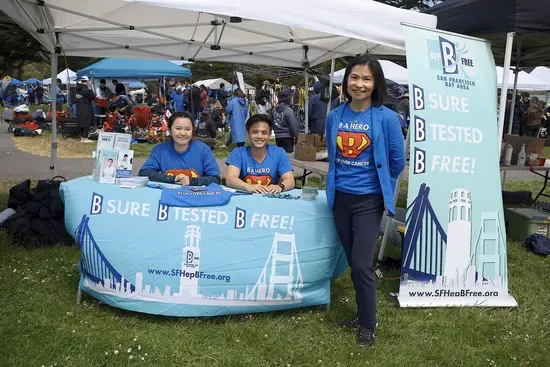
This letter features reporting from “Poorly Tracked Virus Is a ‘Silent Killer’ Affecting Asian Americans Most” by Zhe Wu
Dear Philadelphia Department of Public Health,
I recently learned about Hepatitis B through reporter Zhe Wu’s article “Poorly Tracked Virus Is a ‘Silent Killer’ Affecting Asian Americans Most,” which was written for the Pulitzer Center and San Francisco Public Press. Chronic hepatitis B silently damages the liver, which can lead to cirrhosis, liver cancer, liver failure or death. Wu explains that, in the United States, chronic hepatitis B has an unequal impact on people in different communities. Asian and Pacific Islander communities are heavily affected: the Centers for Disease Control and Prevention report that of the 1 million people in the U.S. with the disease, half are Asian American.
The Trump administration just shut down the largest hepatitis lab in the U.S., which was based at the CDC in Atlanta. There are now no federal funds going toward hepatitis. This matters to me because I believe that everyone in my community should have the same rights for health care. I have been lucky enough to grow up with my dad as a doctor and have always gotten good medical care, which should not be limited to the people in my community.
To prevent and treat hepatitis B, I believe women should get screenings during pregnancy in case they have hepatitis B so they will not pass it to their baby. When there is a case like this, the pregnant women can then take medicine to prevent the disease from spreading to their baby. Newborn vaccinations also prevent the disease from taking hold in a baby.
Recently, President Trump suggested that newborns not receive hepatitis B vaccines at birth. This would put many children in the U.S. at risk of infection. According to NPR reporter Maria Godoy, "Before the U.S. began universally vaccinating newborns in 1991, some 18,000 children a year would become infected before the age of 10. About half were infected through mother–to-child transmission, says [Dr. Andrew Pavia, a spokesperson for the Infectious Diseases Society of America]. Giving newborns the shot right after birth prevents the virus from taking hold."
While it is important to screen pregnant women and vaccinate newborns, we can not forget about the many other people who carry hepatitis B. It is vital to get community organizations to provide care from a culturally responsive lens. According to the World Health Organization, only 13% of people with hepatitis B know they have it. Research suggests around 80% of people with hepatitis B are undiagnosed.
I think the idea of screening women during pregnancy, along with vaccination and public awareness, is very important to lessening the spread of hepatitis B in the U.S. I appreciate you taking time to look at this letter. I urge you to continue to try to fund these efforts, and create public announcements to make people aware of these efforts.
Warmly,
Louisa Gellhorn
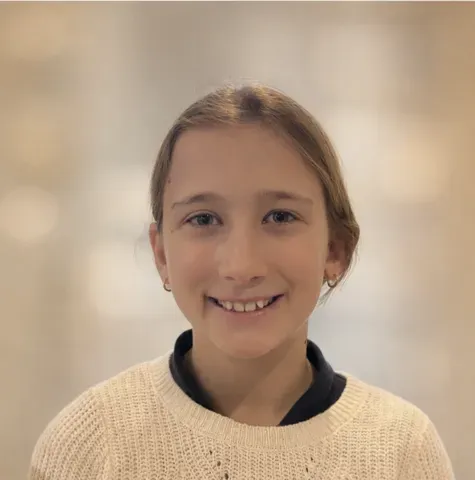
Louisa Gellhorn is a 5th grader at Springside Chestnut Hill Academy in Philadelphia. She enjoys horseback riding, singing, hiking, acting, and math! She is also very passionate about animals. She is the student ambassador for the American Anti Vivisection Society which focuses on preventing dissections in school. She believes strongly in animal rights and loves hanging out with her dog and four pet rats in her free time.
Read more winning entries from the 2025 Local Letters for Global Change contest!
Student letters reflect the authors’ views. Students choose their own topics and act independently if they decide to share their letters outside the classroom. The Pulitzer Center is a nonpartisan 501(c)(3) organization that does not endorse candidates, parties, or specific legislation. Our publication of student work is for educational purposes.