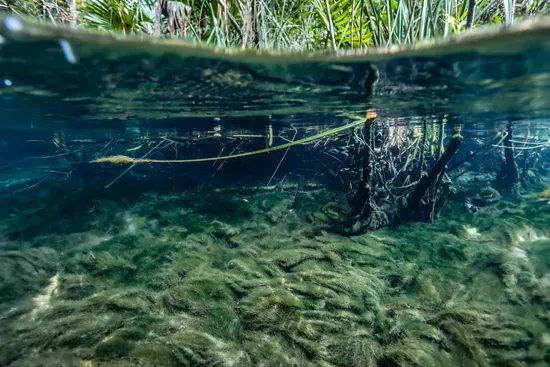
This letter features reporting from “Protecting Polluters: Florida Lets Big Companies Pollute With Impunity. Waterways Suffer.” by Bethany Barnes, Shreya Vuttaluru, and Zachary T. Sampson, and from “Baltimore’s Sewage Along With Farm Run-Off and Other Pollutants Are Killing Chesapeake Bay” by Sebastian Tuinder
Dear Mayor Eddy Kraus,
Congratulations on your recent re-election! It’s exciting to know that you will lead our beautiful city of Solon again. Over the years, your leadership has had a meaningful impact on the lives of families across Solon. The new walking trails, the beautifully updated children’s park, and more bicycle paths are just a few examples of how your vision has made our community healthier, more connected, and more welcoming. These initiatives show not only strategic planning but also care for the well-being of our residents and the environment we share. Solon feels like a place where nature and community improve each other, and much of that is because of your dedication.
I am a 6th grader at Solon Orchard Middle School, and today, I’m reaching out to highlight a global issue that trickles down to affect our own city as well. Climate change and environmental issues, although overshadowed by many other problems, are ones I hope you will prioritize. I was surprised to learn how rapidly advancing this issue is and how many lives it endangers. In fact, between 10,000 and 100,000 species are becoming extinct every year, and at this rate, many animals will suffer and ultimately die, hurting larger ecosystems as well. I know that we can, in our communities, step up to fix this because, in some ways, we are causing it. The United Nations Environment Programme suggests that preventing the release of chemicals like nitrogen and phosphorus in our waterways and air pollutants in our atmosphere can be crucial in protecting ecosystem health.
Too much harmful chemical release is a problem that states across the nation are experiencing. According to Pulitzer Center-supported reporting, Florida is experiencing challenges in regulating pollution levels in waterways because of weak laws and regulations. They don’t actually track runoff from individual companies that are polluting, so it’s hard to hold companies accountable. They have some “best management practices,” but these are just recommendations. Fertilizer in farms is usually the biggest source of nitrogen and phosphorus going into waterways after big storms, and Florida’s laws on limiting fertilizer seem to be made to help farmers profit, not to protect water quality. Moreover, Florida has 2.6 million septic tanks. Most of them are really old and leak nitrogen, which hurts nearby rivers.
Now, how does this relate to Ohio and, more specifically, Solon? Well, our city sits within the Tinkers Creek and Lower Cuyahoga River watershed. This is an ecosystem that has been facing pressures from nutrient pollution, aging wastewater infrastructure, and the growing impacts of climate change. While our wastewater treatment facility has served the city well for decades, its major systems date back to the 1960s and are now strained by development growth, industrial loads, and heavier rainfall patterns. These factors contribute to the release of phosphorus and nitrogen that affect our water quality, wildlife health, and even the air we breathe. For humans, they can result in respiratory problems. Additionally, as I’ve learned, these chemicals cause there to be too many nutrients in the water, which is called eutrophication. This harms the animals living in the water and makes oxygen levels go down. The Pulitzer Center actually supported reporting on a similar problem on a larger scale in Baltimore. Farm runoff and pollutants are causing water quality to go down in the Chesapeake Bay. There are also economic effects. The lack of oxygen in the water is killing fish and hurting fisheries. I think this is very sad, especially because the Chesapeake Bay is such an important part of American history. I wouldn’t want to see something similar happen in our city. As someone who loves this city, it is difficult to see our natural areas and ecosystems facing these quiet but significant threats.
Because you have always shown a willingness to act in the best interest of Solon, I am hopeful that we can bring change. Better wastewater treatment, stronger stormwater systems, restored stream buffers, and tighter industrial oversight would all help, as suggested by the success stories that the EPA highlights. We can also try creative solutions like adding eggshells to treatment plants. The biocalcium they have helps remove excess nutrients from the water (Garduño-Pineda et al., 2023). Just as importantly, I think we need more people, including residents, students, and local businesses, to understand how their choices impact our watershed. We need your leadership and help, but I think it’s also everyone’s own responsibility to work on this. Maybe we can even do events to celebrate our watershed, teach people about what they can do, and share the policy-level changes you’re working on. I think this is really important right now, especially because the EPA is taking a more hands-off approach and not really enforcing the Clean Water Act of 1972, which I learned was actually inspired by the fires that took place in the Cuyahoga River. We should care about the Clean Water Act and try to do what it stands for, which is to make our waterways fishable and swimmable. This means setting and measuring standards and holding point source pollution releasers accountable. Together, I am sure we can help Solon be the special place it is, not only for families but for all types of life.
Thank you for your many years of leadership and for all the ways you have uplifted our community. I care deeply about the environment, and I, too, want to help you protect our environment. I hope together we can educate and engage our entire community to protect Solon for generations to come.
Sincerely,
Devang Pareek
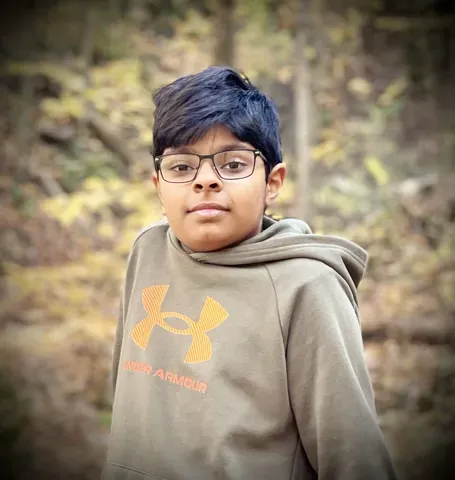
Devang is a sixth-grade student at Solon Orchard Middle School with a strong interest in math, science, and global issues. He is a black belt in Taekwondo and a former Sea Cadet, experiences that have helped him develop discipline, teamwork, and leadership skills. Devang actively participates in National History Day and has supported fundraising efforts for pediatric cancer research through the St. Baldrick’s Foundation. He enjoys playing basketball and tennis, and in his free time, he likes building LEGO creations and watching science-fiction movies and documentaries. He is also engaged with social and cultural nonprofit organizations that work to empower education, environmental awareness, and civic engagement.
Read more winning entries from the 2025 Local Letters for Global Change contest!
Student letters reflect the authors’ views. Students choose their own topics and act independently if they decide to share their letters outside the classroom. The Pulitzer Center is a nonpartisan 501(c)(3) organization that does not endorse candidates, parties, or specific legislation. Our publication of student work is for educational purposes.