“I wish I could turn the clock back to B.D., or “before drugs.” Before the opioid epidemic spread through our tribe like wildfire. Before my husband became addicted. Then two of my sons. Then my grandchild.”
Judith Surber, a mother, Hoopa Valley tribal member, and now manager of a medical assisted treatment program, writes of her experience with the opioid epidemic on the reservation. Justin Maxon uses film photography to present snapshots of Surber’s life while centering her voice throughout.
“When I think about my sons, Roger and Cory, I picture them as I do all my children, as precious babies. When I look at my sons, I see all that I’ve known them to be and all of what could have been or could still be if it weren’t for OxyContin, then heroin, and now fentanyl.”
Native populations experience some of the highest rates of drug overdose deaths in the U.S., according to the CDC.
“I had high hopes for my children and could not fathom what would happen to us when OxyContin came to the valley. The remoteness of this place has long protected us. But today the opioid crisis facing the nation has infiltrated our community, causing destruction and havoc along its path, leaving families like mine shattered.”
Surber gives a firsthand perspective of a mother fighting to keep her family together, while Maxon’s photographs are candid but compassionate. Together, their written and visual storytelling weave a personal narrative of struggle, fear, and pain, but most of all, unconditional love.
This story was originally published in The New York Times in November 2023.
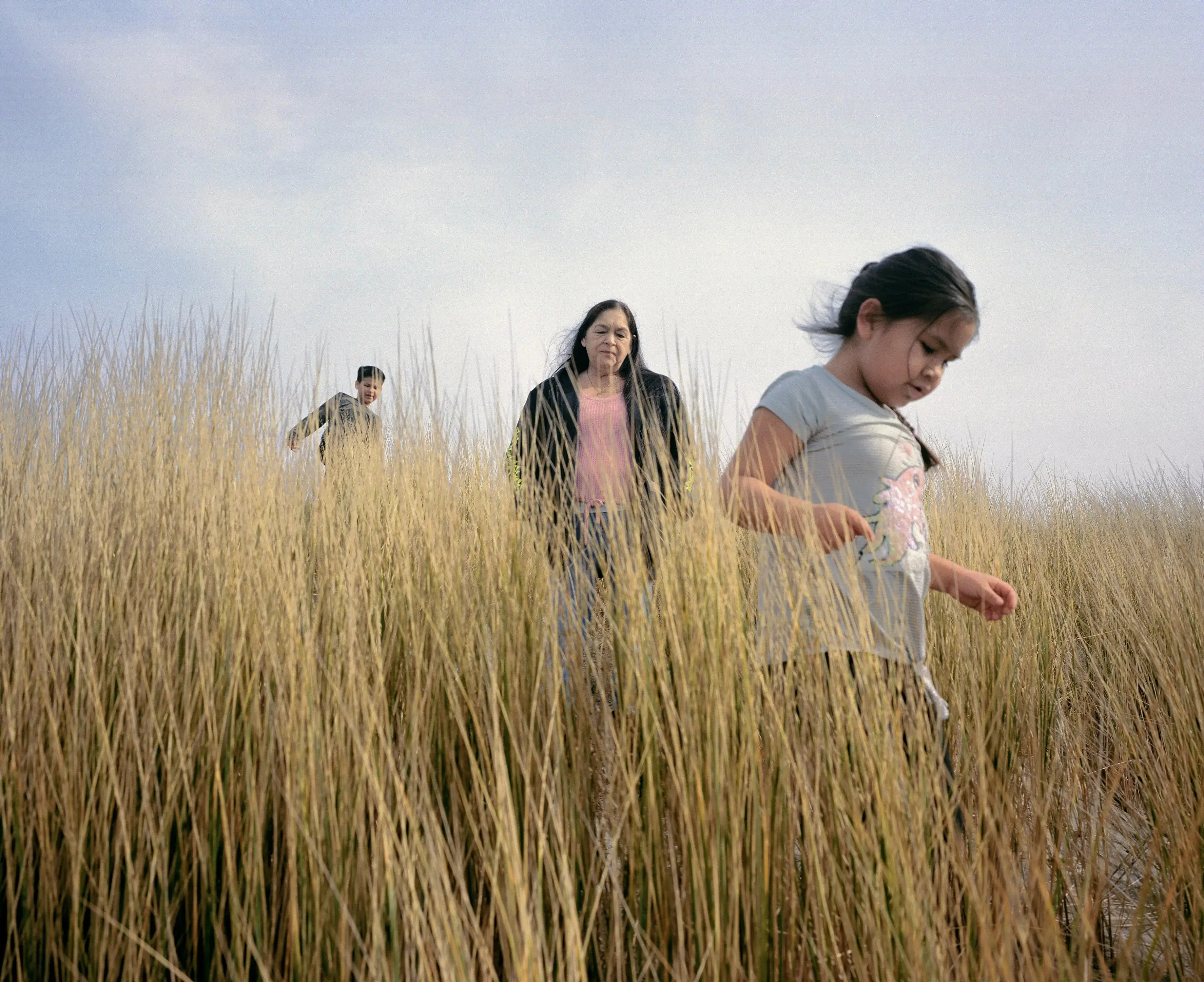
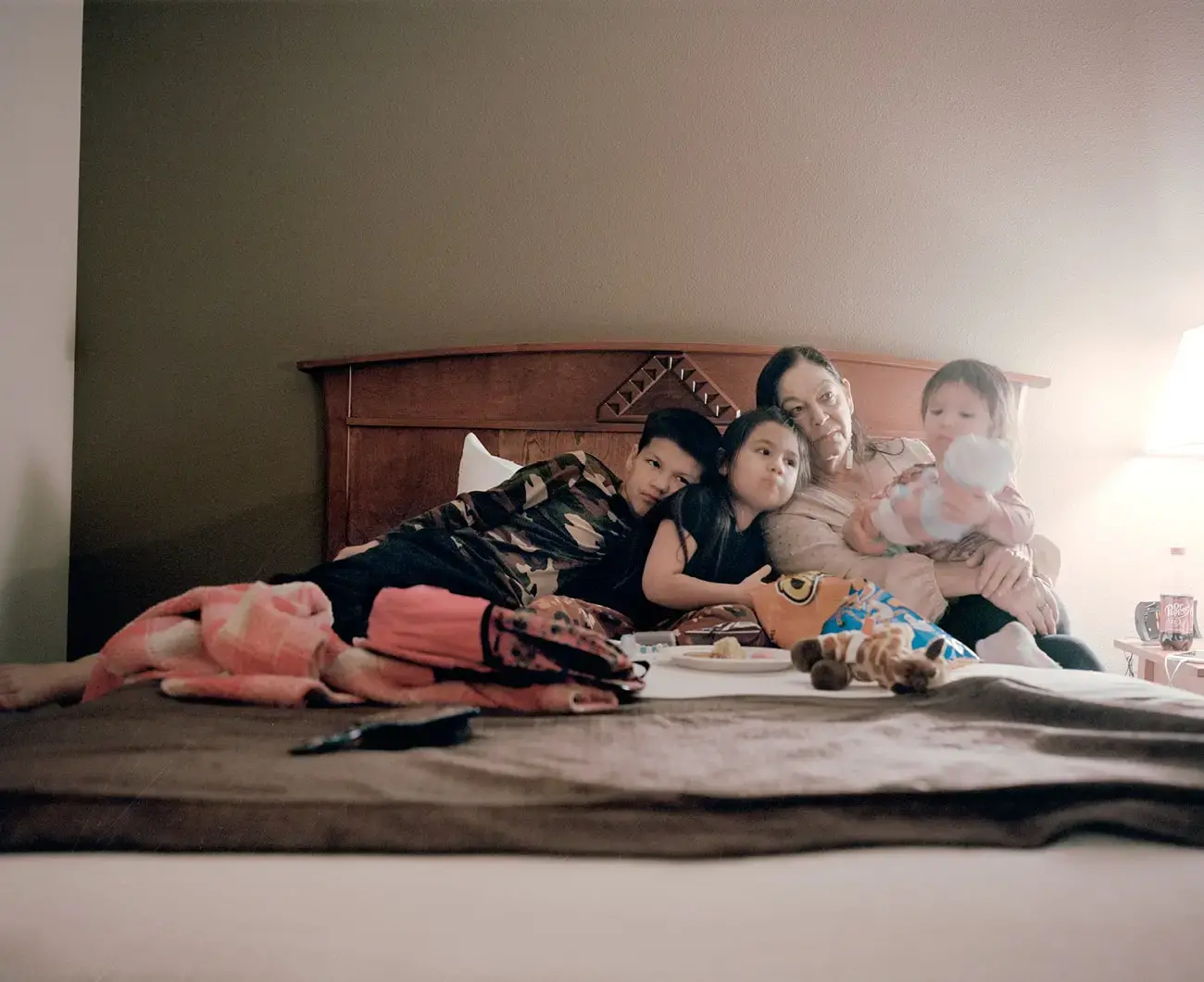
The kids and I are at the beach in Crescent City. Ever since the kids got placed in foster care, 2½ hours away from their home, I go over every other weekend to visit them. One of their favorite places to spend time is at the beach. They have been in the foster system for the past 10 months, and it is taking a toll on the kids and me. When it is time for me to leave, there are a lot of tears and emotional meltdowns. I treasure every second with them.
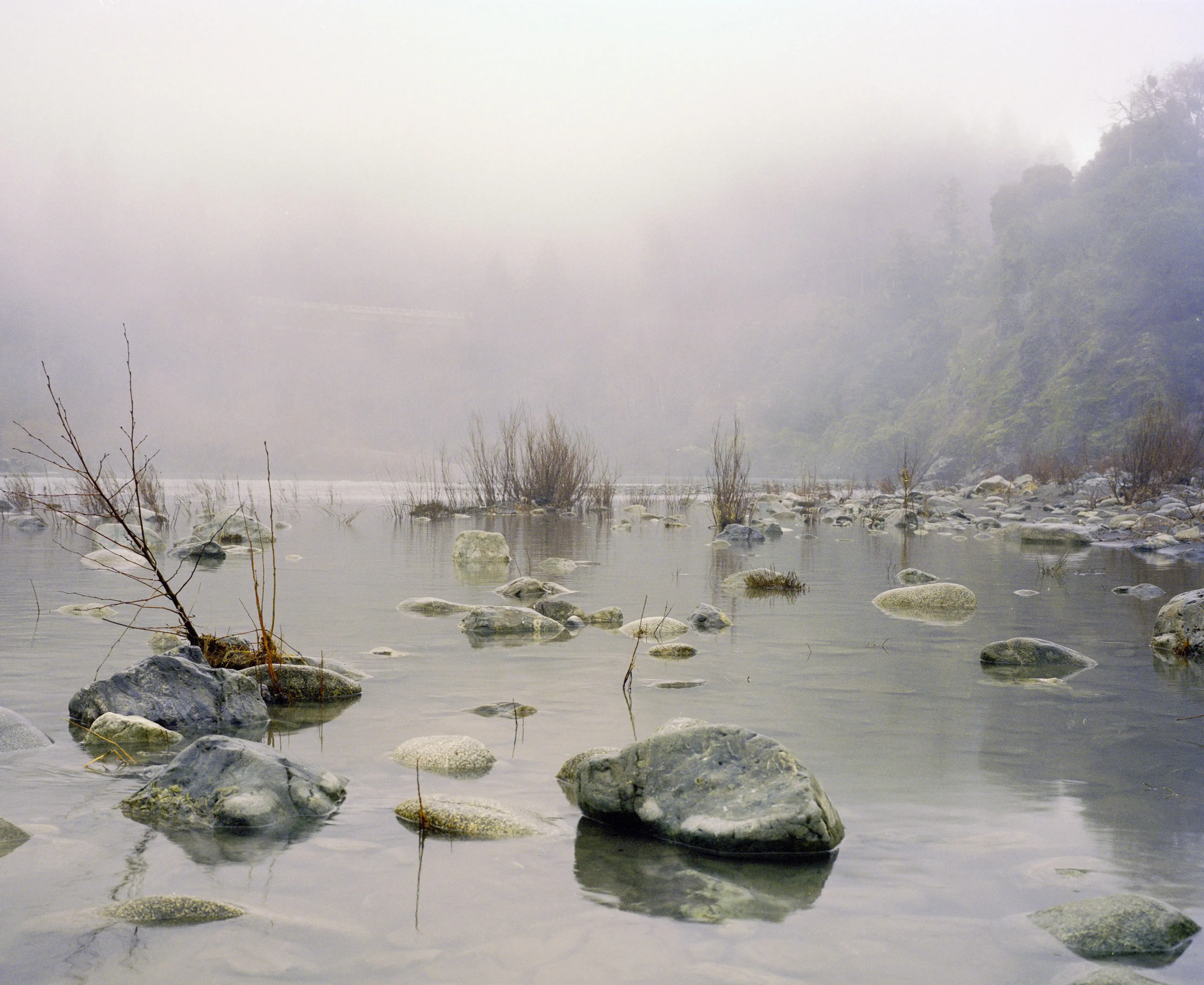
The Trinity River at the end of winter and the start of spring when it’s still high. Undeniably beautiful, and I am thankful every day to come from this place. This spot along the river is right next to our house and is where my husband did subsistence fishing for our family before he passed away, and it's the location where I brought my kids and grandchildren to swim since they were babies.
Roger and Ethel’s children were removed 11 months ago and remain in the foster system. They were moved 2½ hours from home and are too little to understand why they can’t be with their family. I raised them since they were babies and have been fighting every day to get them returned home, but I carry my own stigma for my son’s addictions. The Yurok Tribe blames me because I didn’t set enough boundaries, according to them. The trauma this has caused the whole family is unimaginable.
Our lives became a series of crises that quickly became our norm. We lived in survival mode.
I became a widow at age 57. My husband was a good man I loved dearly and miss every day. He was a hard worker, employed in the logging industry for over 20 years until he was in an accident on the job. He was prescribed OxyContin. My husband was so functional and so discreet that I didn’t know for years he had moved on to heroin. I remember reading once that if parents had an addiction to alcohol or drugs, their children would have a higher risk for addiction, too. Roger was 18 and Cory was 15 when what started out as recreational use of OxyContin quickly progressed to serious addiction.
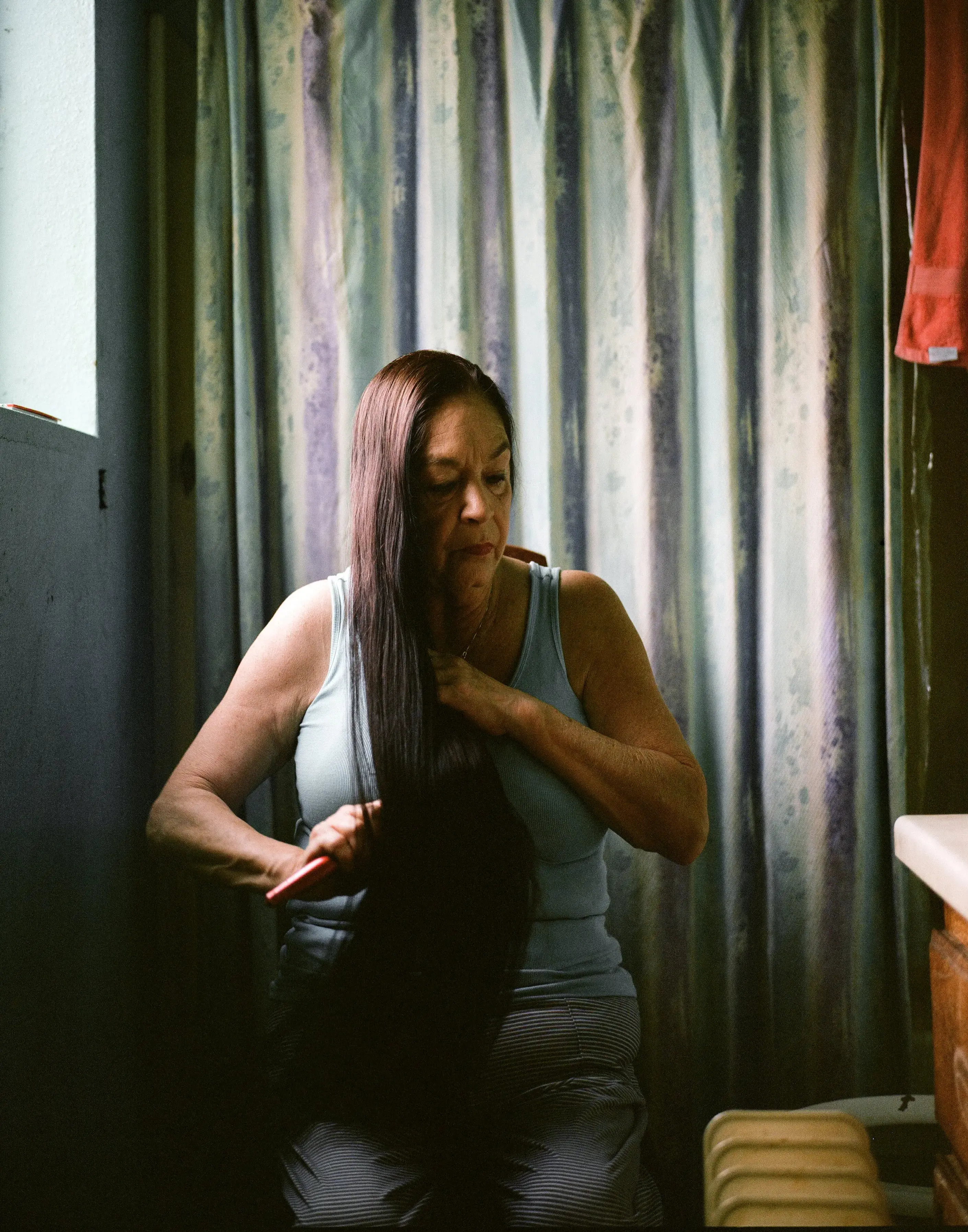
I’m combing my hair in the morning, doing my daily routine. It’s my time to reflect. My heart is broken. People often tell me how strong I am, but I believe I’m the opposite. If I were a stronger person, I would have found my way out of this nightmare. I’m just as lost as every other parent with adult children addicted to drugs.
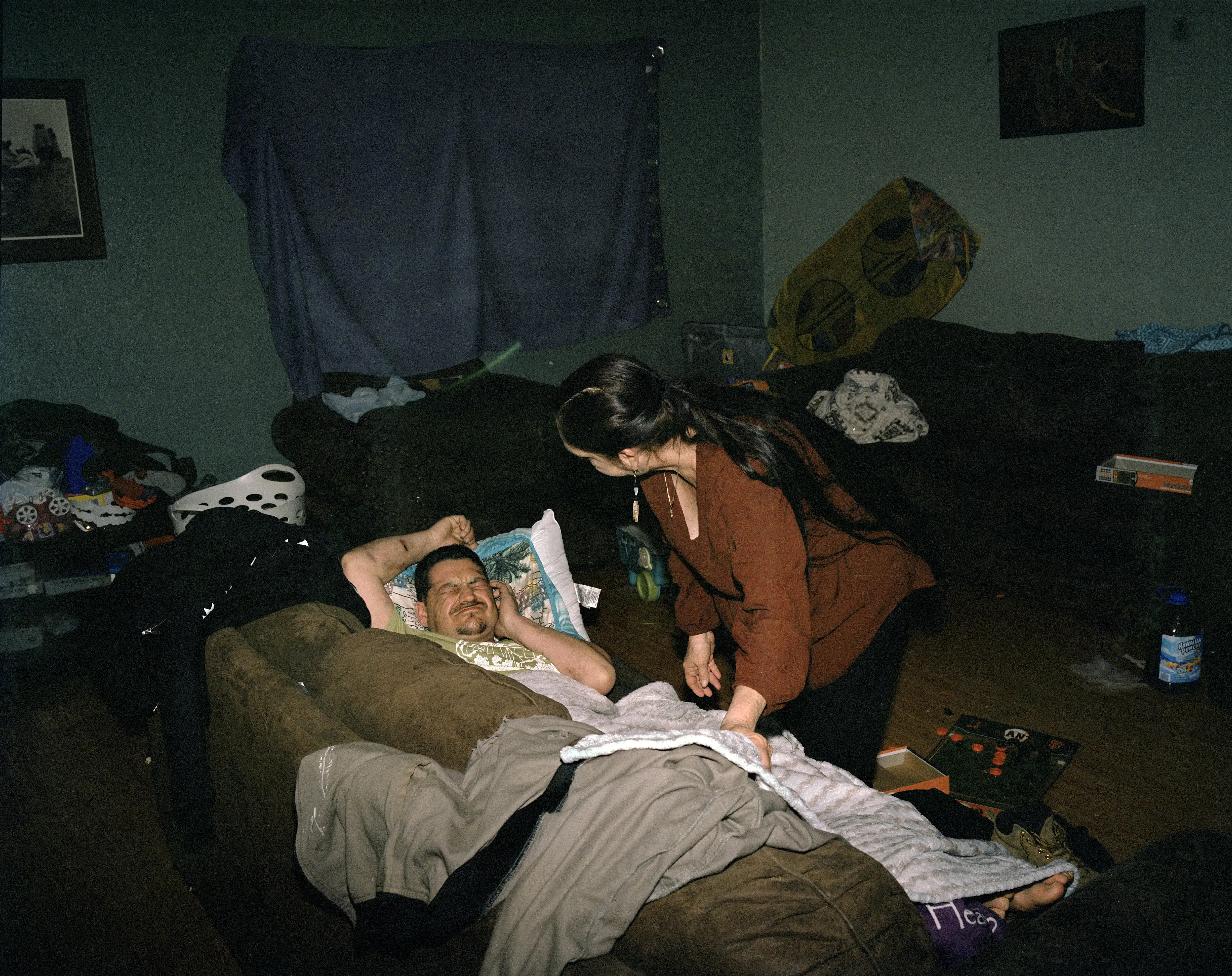
I am checking on Roger. He had significant infections going on, all too common in substance use, and was having issues with pain and walking that day. No matter how old my kids are, I will always worry when they are sick and care for them when they are not well.
We are so hard on ourselves to begin with. Instead, I unconditionally love my children.
I did everything possible to keep my family together. I never bought into the idea of tough love because I don’t believe it really works for Native families like mine. We are so hard on ourselves to begin with. Instead, I unconditionally love my children. I’m terrified of losing them. When OxyContin became more regulated, people switched to heroin. I thought nothing could be worse than heroin, and then fentanyl came along. I thought nothing could be worse than fentanyl, and now the animal tranquilizer tranq, or xylazine, is on the horizon. I’m fearful of what the next monster might be.
Will my sons make it?
A few of Cory’s many trophies. He could have been a contender. This picture makes me emotional and sad. My son was such a good athlete and competitor. He was full of hope and promise as a young boy, but by his ninth-grade year in school he was expelled, and soon started using OxyContin and never finished high school. Now, he’s living homeless in the San Francisco Tenderloin and around the Santa Rosa area. I haven’t seen him for almost five months and worry about him every second of the day.
Click play to watch Surber family home video footage of Cory when he was young.
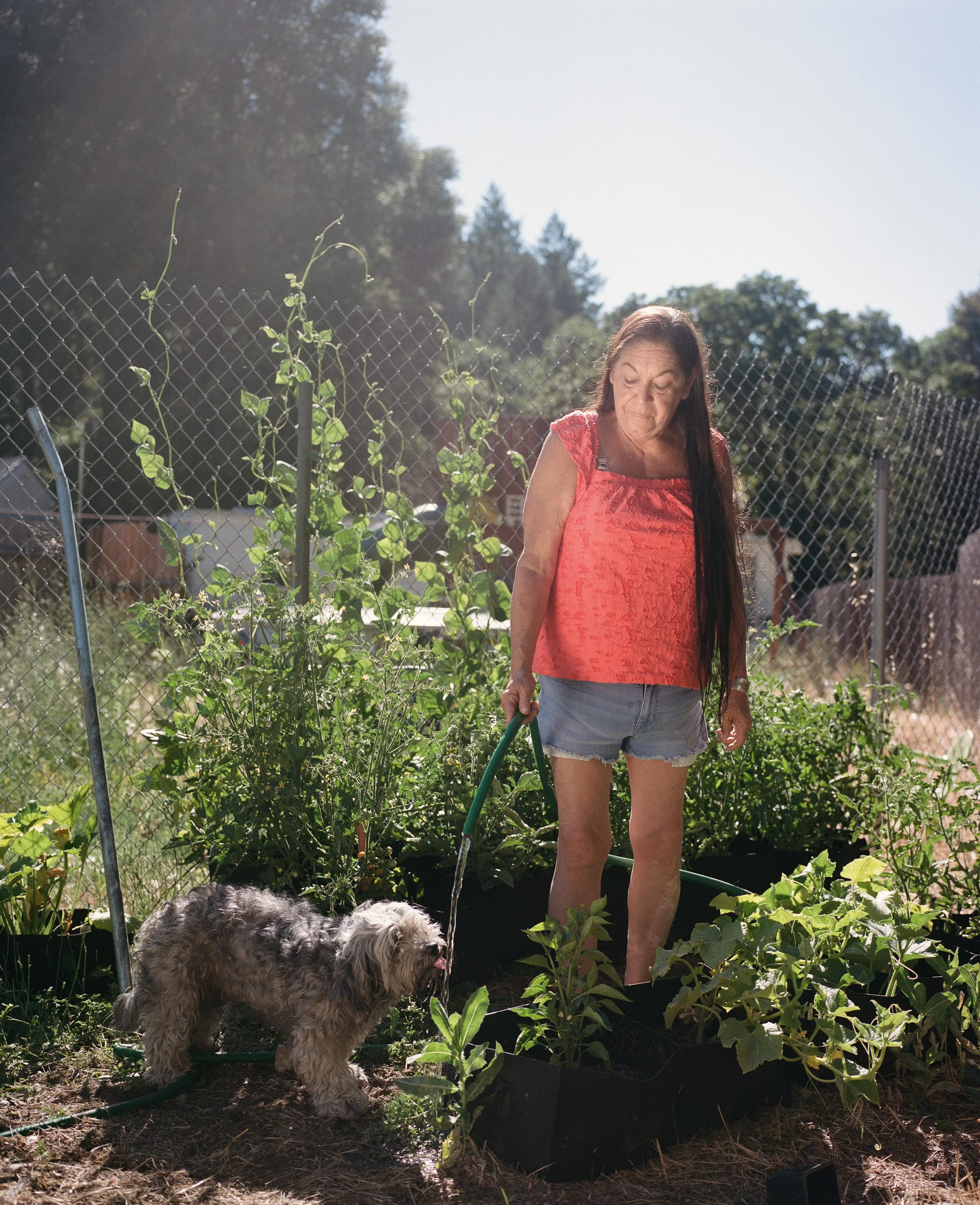
Me. I was working in my little garden. I love relaxing in my garden. Although small, it produced a lot of tomatoes, lemon cucumbers, green beans, and squash.
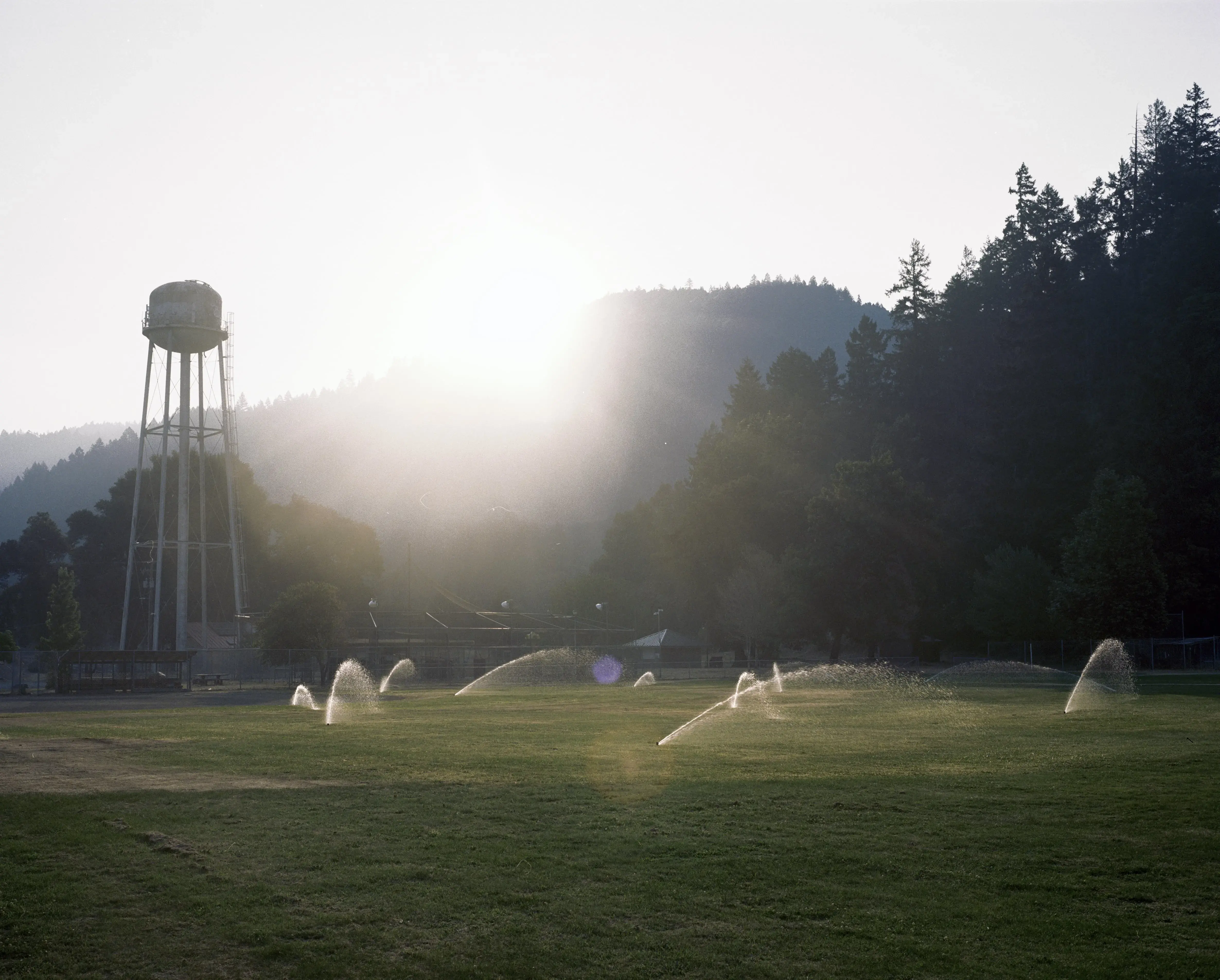
A recreational field in Hoopa is getting water in the summer to keep it alive. The park in Hoopa is one of the only recreational sites in the area.
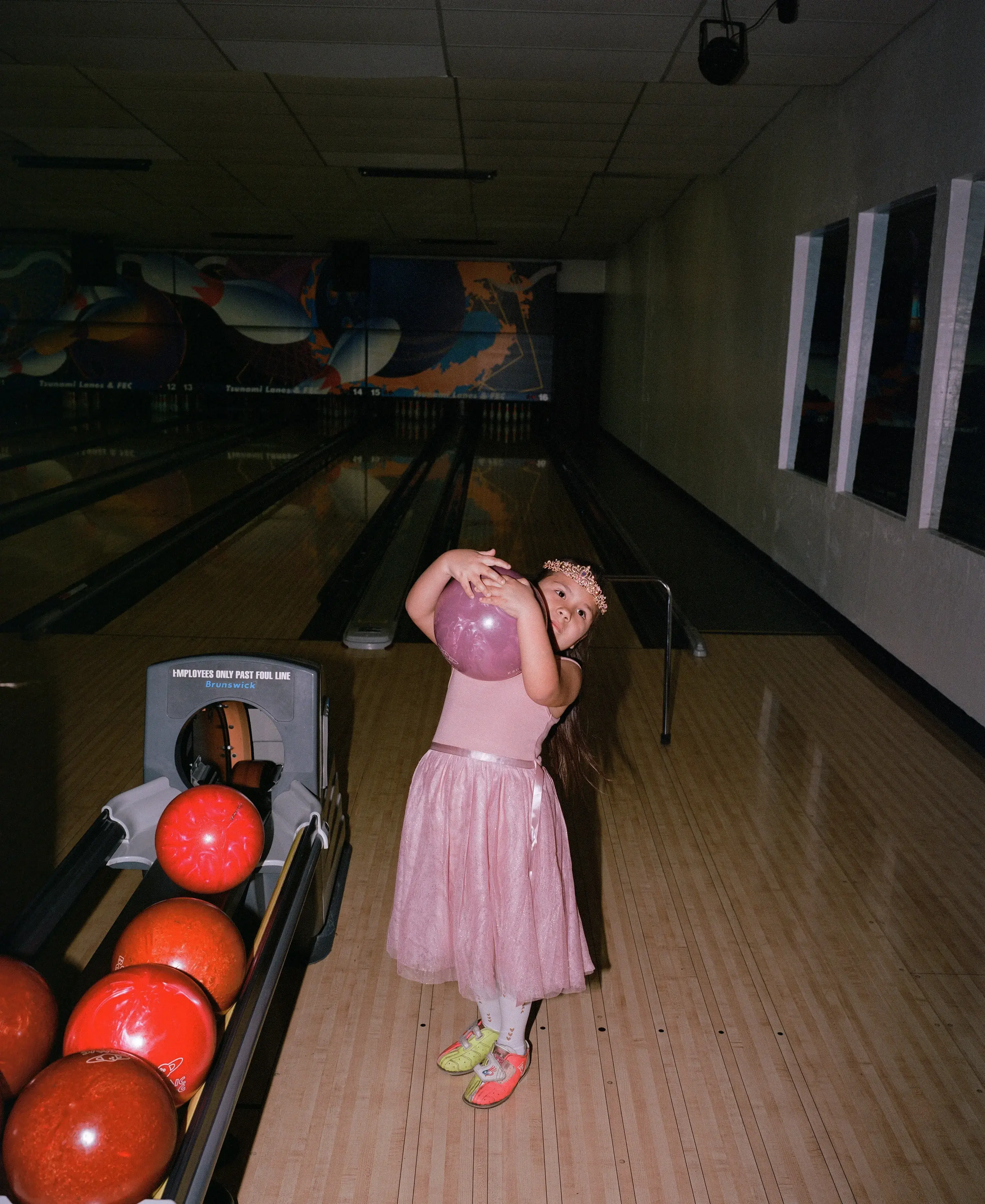
Kinsinta bowling at her sixth birthday party. This is 2½ months after the kids were removed and put into the foster care system. Kinsinta is the Hoopa word for “sugar” or “sweet,” and she fits her name. She is my pretty, pretty princess.
I don’t know what to tell the 6-year-old when she calls and says, “Grandma, I just want you.”
Roger’s three children, ages 9, 6, and 3, lived in my home their whole lives until recently. I shielded them from their parents’ addiction, and they were happy and thriving. Now they are living more than two hours away, and the Indian Child Welfare Act, which was meant to protect us, has resulted in the opposite fate. When their parents lost custody, the children were taken into foster care. I never thought that they would be taken from me. I promised my grandchildren that I would fight every day until they could come home, but I’m starting to run out of options, and I don’t know if it will ever happen.
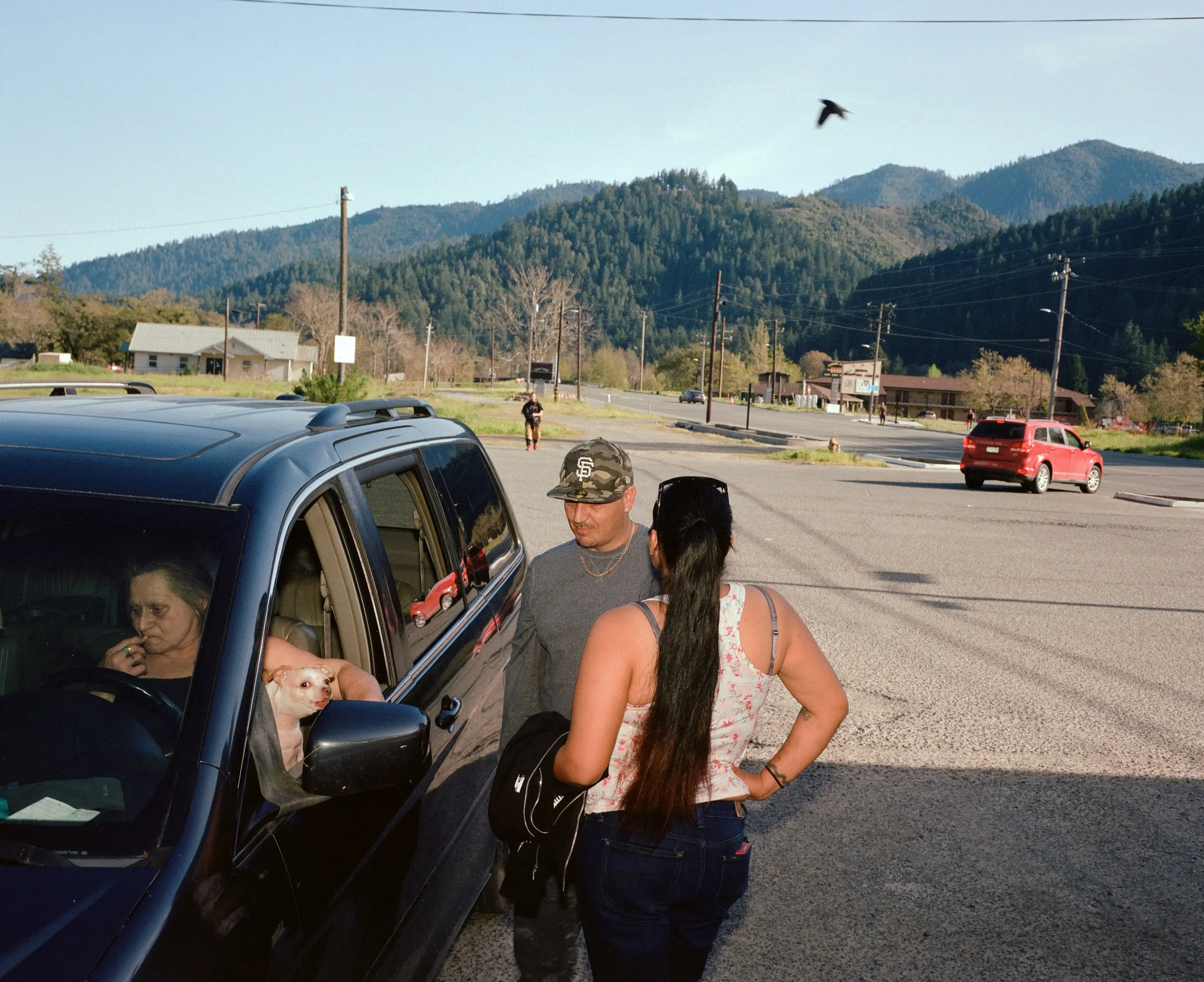
Roger and Ethel are talking to friends. They were on the lookout for fentanyl that day because the Valley was dry with several big drug busts.
Click play to listen to Darlene Marshall talk about the importance of intergenerational storytelling.
Roger and Ethel have been through so much together, including Roger getting shot in the head and chest in 2015. It was a horrible time and caused a lot of trauma but only made their bond stronger. Today they are almost three months clean, and although they are homeless in Eureka, they are working, doing outpatient programs, and attending groups daily. They continue to fight for reunification with their children.
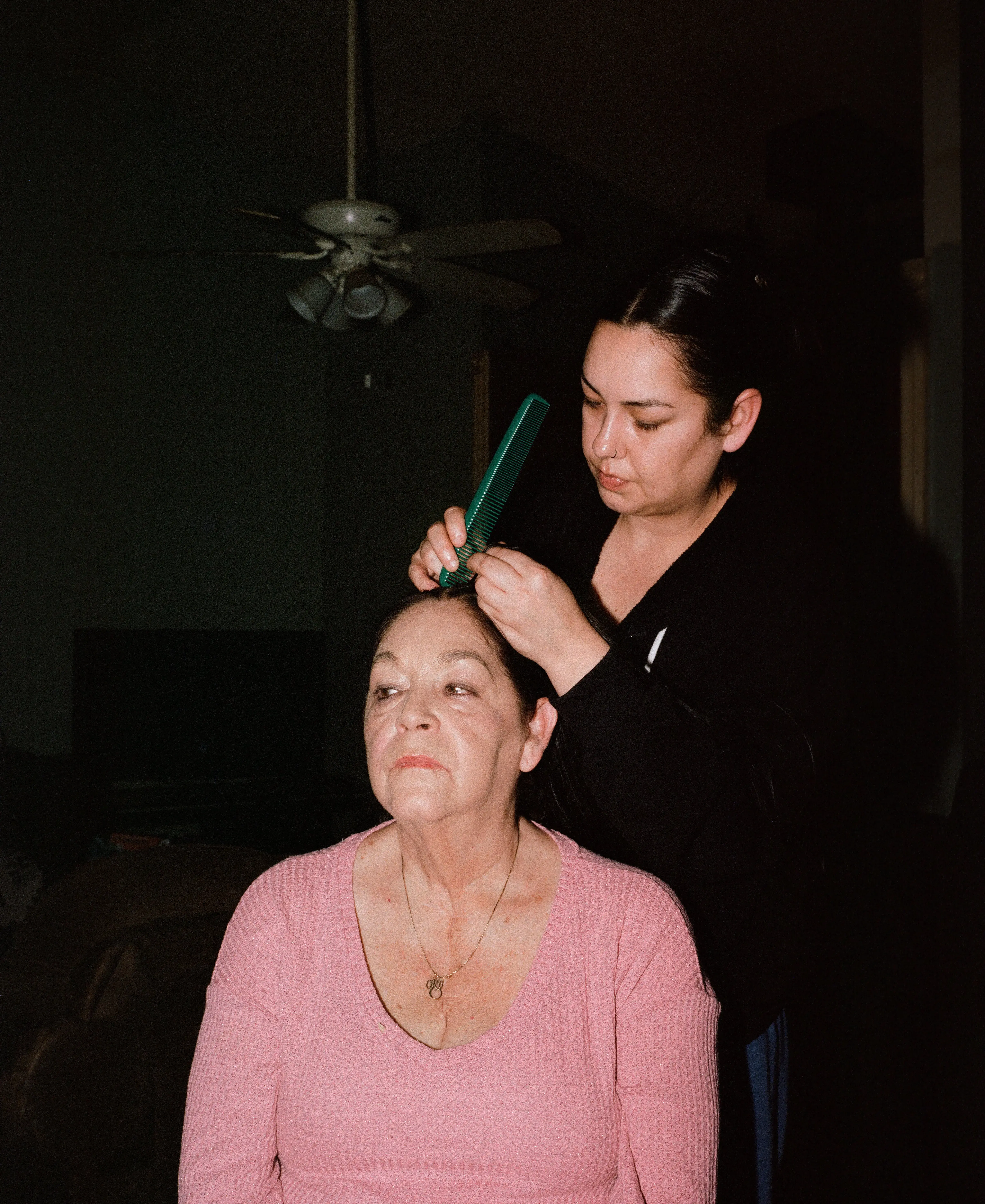
My only daughter and youngest, Megan, my stylist, is French braiding my hair. We have gone through hell and back together, and she is always by my side, one of my strongest supporters who keeps me going. Although she hates the addiction, she loves her brothers fiercely and is loyal to them always. She is a great mother and auntie to all her nieces and nephews. She was a daddy’s girl and feels his loss daily.
I believe that if I can help one person get off opioids, then I can still hold out hope for my children.
I’ve been told I didn’t set enough boundaries. I’ve been blamed for my sons’ addictions. But people with adult children with addiction will understand my predicament: No matter what boundaries you set, if adults want to use drugs, they will find a way to do it. The only times they have quit was when they chose to try. Every time I hear a siren or my phone rings at night, I have a flash of fear that hits in the deep pit of my stomach. Because of that, I hold my sons a little closer and a little longer when I see them and never fail to tell them how much I love them.
Click play to listen to Judith Surber talk about how the opioid crisis took hold in her family and Hoopa Valley.
I am looking out my office window, thinking deeply about multiple things simultaneously. Normally, I work hard at my job at the Medication Assisted Treatment Program, a program under K’ima:w Medical Center, a tribal health clinic. K’ima:w is the Hoopa word for “good medicine.” Although I am busy most of the day, I have a lot of passion for my work and know that we are making a difference in helping people recover from opioid use disorder.
Click play to listen to Judith Surber talk about her work at the medication assisted treatment center.
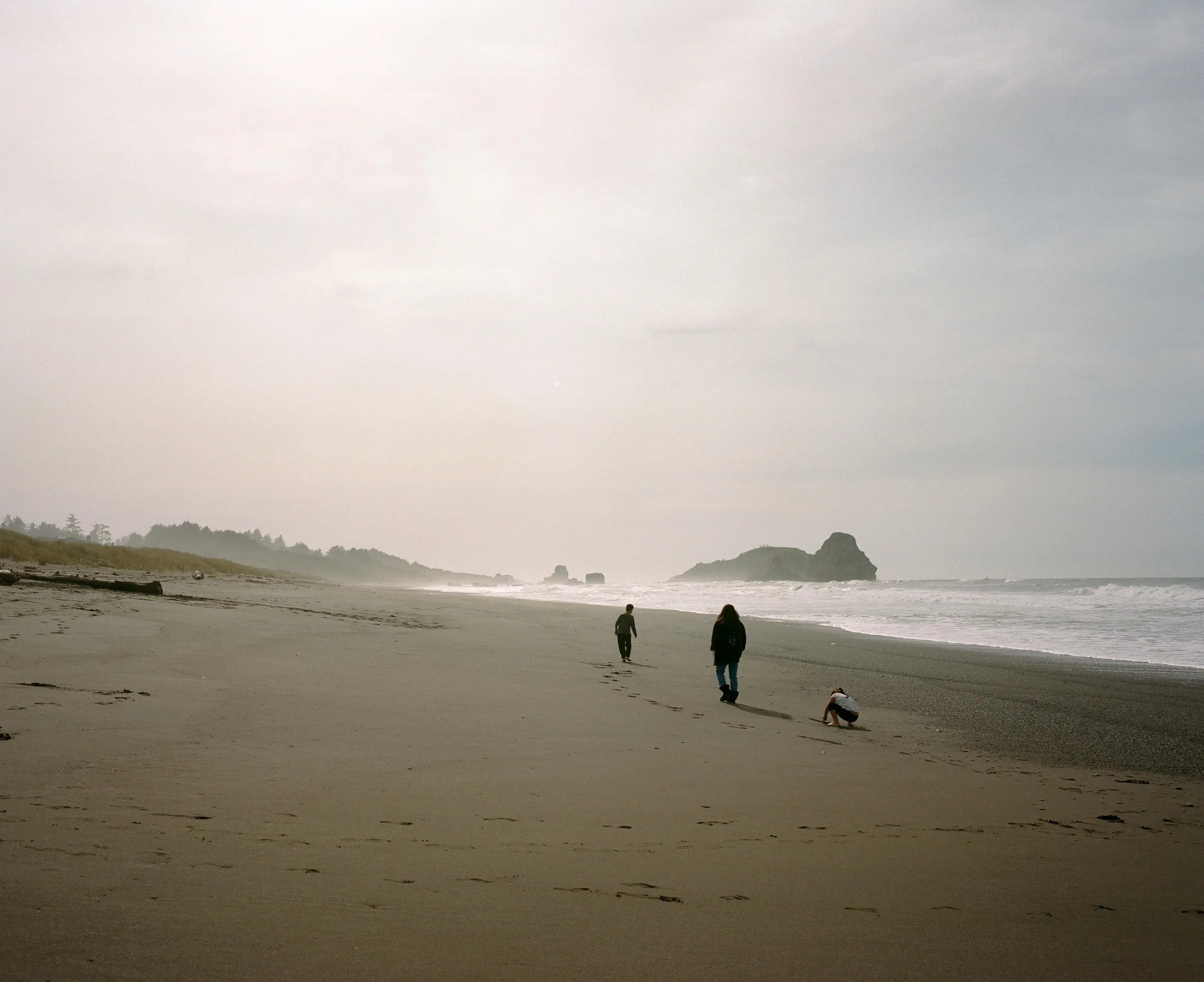
I am walking on the beach north of Crescent City, during one of my bi-weekly visits to my grandchildren. We must devise things to do besides sitting in a motel room. The kids love the ocean, and it is calming for all of us.