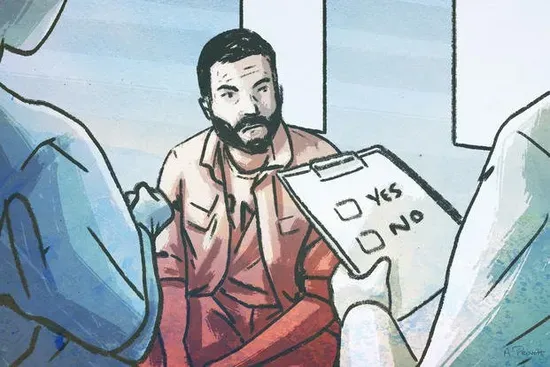
This letter features reporting from “Millions of Vets Got Health Care and Benefits Under the PACT Act. Thousands Left Out Want the Same Chance” by Patricia Kime
Dear Secretary McDonough,
In 2024, one out of four veterans who filed for toxic exposure under the PACT Act were denied by the Department of Veterans Affairs. Hundreds of thousands of veterans who risked their lives in service of this country are now in an exhausting battle to prove their illnesses are service related and to access the care they were promised.
In an article published by Military.com and the Pulitzer Center, “Millions of Vets Got Health Care and Benefits Under the PACT Act. Thousands Left Out Want the Same Chance,” Patricia Kime discusses the benefits of the PACT Act, while also highlighting the millions still struggling to receive care. From aviation personnel who are 24% more likely to contract both brain and nervous system cancer, to female soldiers who are 40% more likely to be diagnosed with breast cancer, veterans from every branch of the military are much more likely to contract life changing illnesses compared to the average person. Additionally, due to the limited number of illnesses classified as “presumptive,” most veterans are forced to go through a lengthy and arduous process to prove a connection between their illness and their military service. It often takes decades for the Department of Defense to fully recognize the risks of certain exposures, but even after these are completed, many veterans do not discover that they are eligible until years after. Thus, most are either notified late due to overly long studies, or they learn of their illness through a trip to the hospital. Many veterans have lost trust in the system–a system they grimly describe as “wait, deny and then [you] die.”
My grandfather, a Vietnam veteran, has spent years battling diseases linked to Agent Orange exposure. Despite the emergence of the Agent Orange Act of 1991, my grandfather was not notified that he was eligible for benefits until 2020, almost 30 years after. Due to this lack of communication, many of his health conditions were identified late. Although he risked his life for the country, the system left him behind like they owed him nothing. His struggle showed me firsthand the difficulties that veterans face when trying to receive care they earned. It made me think about other family members of mine currently serving; they should not have to face the same barriers and uncertainty when seeking benefits tied to their service. Cases like this are too common across the country and are the reason it is so imperative to expand “presumptive” conditions and make benefits more accessible—so that today’s veterans can get timely access to the care they need, without being subjected to the same hardships as my grandfather.
The PACT Act, passed in 2022, was a historic step forward in recognizing the serious health consequences of toxic exposures for veterans. By expanding the list of “presumptive” conditions to include burn pits and other environmental hazards, it has made healthcare and disability benefits more accessible for millions of veterans. However, many veterans who served domestically in installations such as Fort Ord or Fort McClellan are still left out. Many of these veterans must go through the complex and often frustrating claims process to connect their illness to service. While the PACT Act is a step in the right direction, more must be done to ensure that all veterans who risked their lives in service—both internationally and domestically—receive the care and benefits they deserve without unnecessary hurdles.
I urge you to build on the great work you have already done with the PACT Act and to continue improving the lives of our current and future veterans. As Secretary of Veterans Affairs, you have the ability to improve the system so it does what it was intended to do: provide care and benefits to those who have made sacrifices for this country. I implore you to promote clear communication between the VA and veterans about their claim eligibility, to have more staff dedicated to toxic exposure cases, and to partner with local veteran support organizations to help veterans navigate the complex claims process.
Our veterans have risked everything to protect our country and its liberties. They have fought for our country with courage and loyalty. They should not have to fight another battle just to receive the benefits and care that they were promised and that they deserve. I hope you will continue to work to better this system to ensure that it honors their sacrifices with dignity and fairness.
Sincerely,
David E. Reyes
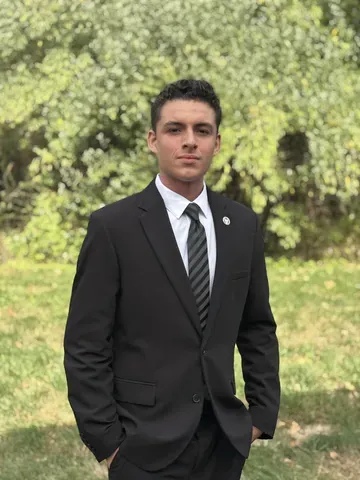
David E. Reyes is a junior at Hopkins School in New Haven, Connecticut. David is interested in writing and research, with a focus on clear communication, accuracy, and thoughtful analysis. Through his academic work, he aims to examine real-world issues and present them in a way that is accessible and well-informed.
His letter on veterans’ benefits was motivated by personal connections to military service, including his great-uncle and grandfather, who both served in war, as well as family members who are currently serving. Observing the long-term effects of service on veterans and their families inspired him to explore the topic more deeply and address it through his writing.
Read more winning entries from the 2025 Local Letters for Global Change contest!
Student letters reflect the authors’ views. Students choose their own topics and act independently if they decide to share their letters outside the classroom. The Pulitzer Center is a nonpartisan 501(c)(3) organization that does not endorse candidates, parties, or specific legislation. Our publication of student work is for educational purposes.