Pulitzer Center Update August 12, 2026
As Wildfires Spread, Pulitzer Center Reporting Answers Burning Questions About Climate Crisis

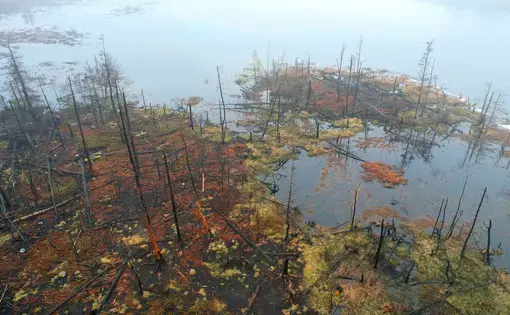
How wildfires are changing, and what it means to the landscape and air quality.


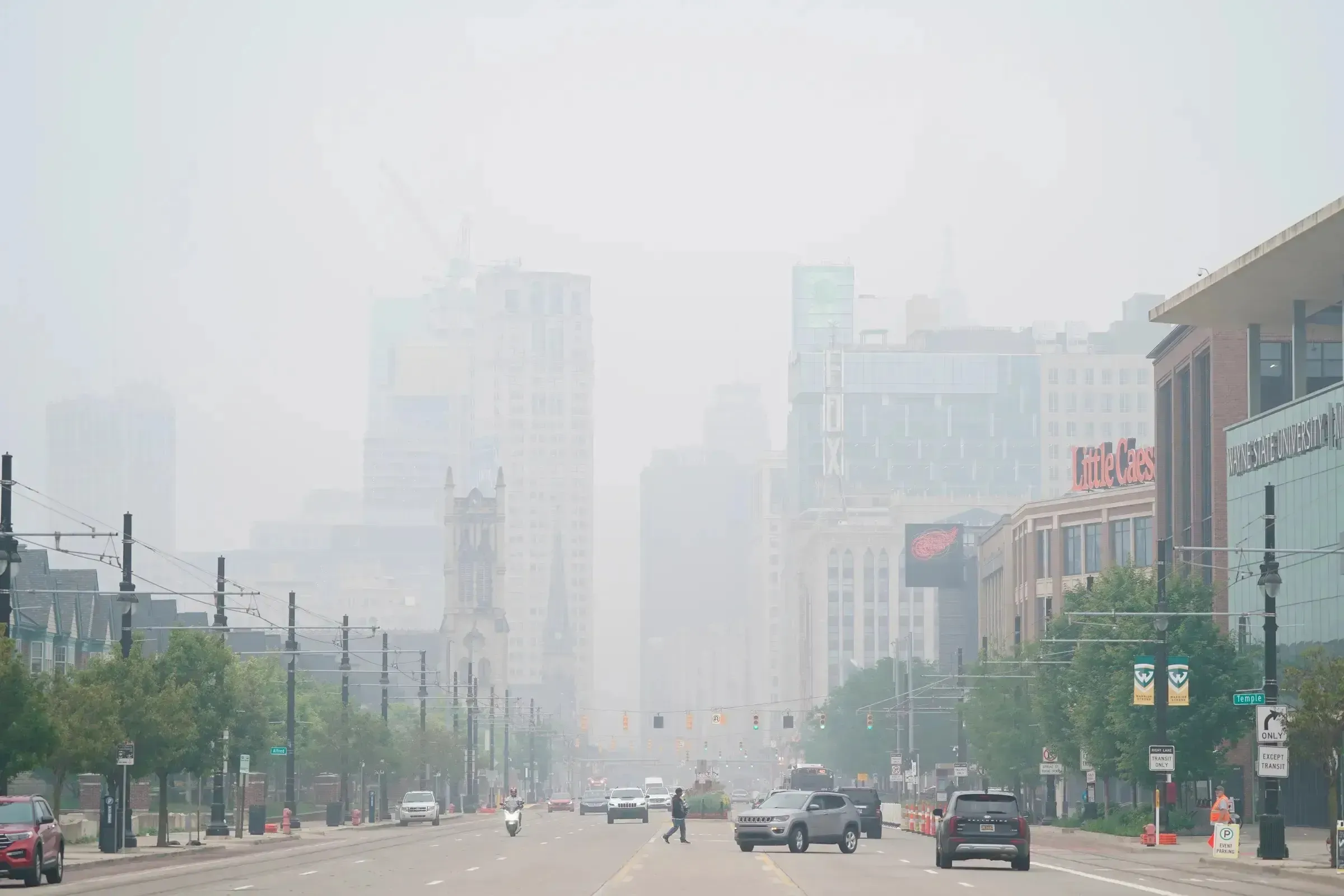
This summer, wildfires have swept through the U.S. Pacific Northwest and southern and northwest Europe.
According to NASA, extreme wildfire activity has more than doubled worldwide, with climate change being a major contributing factor.
Record heat waves in France, Spain, Italy, the UK, and Greece have led to destructive fires across parts of Europe. Western Europe hit a new average temperature record of 70.92 degrees Fahrenheit for the June-July period, and France experienced its hottest day in history on June 23 with a high of 111.7 degrees in the southwest.
In France and Spain, over 300,000 people were forced to evacuate their homes due to the fires. According to European Union data, over 529,000 hectares, or 2,042 square miles, of land were affected as of August 9. This exceeds the amount of area affected on the same date in 2025, the worst year on record for wildfires.
So far in 2026, U.S. firefighters have responded to 46,305 wildfires that have burned more than 6.4 million acres, 126% and 156% of the 10-year averages, respectively, according to the National Interagency Fire Center.
In Washington state, a wildfire that started in an arson attack damaged or destroyed about 920 structures in and around Spokane, the state’s second-largest city. British Columbia declared a state of emergency on August 8 after over 100 wildfires swept through the Canadian province.
As part of the Pulitzer Center’s commitment to public interest journalism, the organization has made a concentrated effort to support breakthrough journalism on climate change and the environment. The Center’s global perspective highlights how the climate crisis is impacting communities across the world.
Since the Pulitzer Center’s founding 20 years ago, reporting from grantees has helped audiences understand the causes of wildfires, their impacts on communities, and their potential future consequences.
In 2024, Detroit Free Press reporter Keith Matheny and photographer Eric Seals covered fires in Canada, where, in 2023, nearly 58,000 square miles burned in over 6,500 wildfires throughout the country. Their project, Record-Breaking Canadian Wildfires—North America's New Normal?, dove into the conditions leading to the historic fire season, its impact on Canadians, and the smoke that carried pollution down into the Midwestern United States.
Matheny’s reporting assesses why we’re seeing rampant blazes in Canada three years later. His sources in 2023 explained that Canadian forests, particularly in British Columbia, have become more vulnerable to wildfires after years of fire suppression. Dead trees and dry material have built up on the forest floor, creating ample fuel for rampant fires.
After the Palisades and Eaton fires in 2025, Pulitzer Center grantee Nina Dietz documented their effects on the Los Angeles community in The Toxic Side of Climate Change for Inside Climate News. Dietz’s project focused on toxic pollutants that lingered in the air, water, and soil after the fires. She also spoke to fire victims about the destruction of their homes, the mental and physical toll they experienced, and the specific harms disabled community members faced.
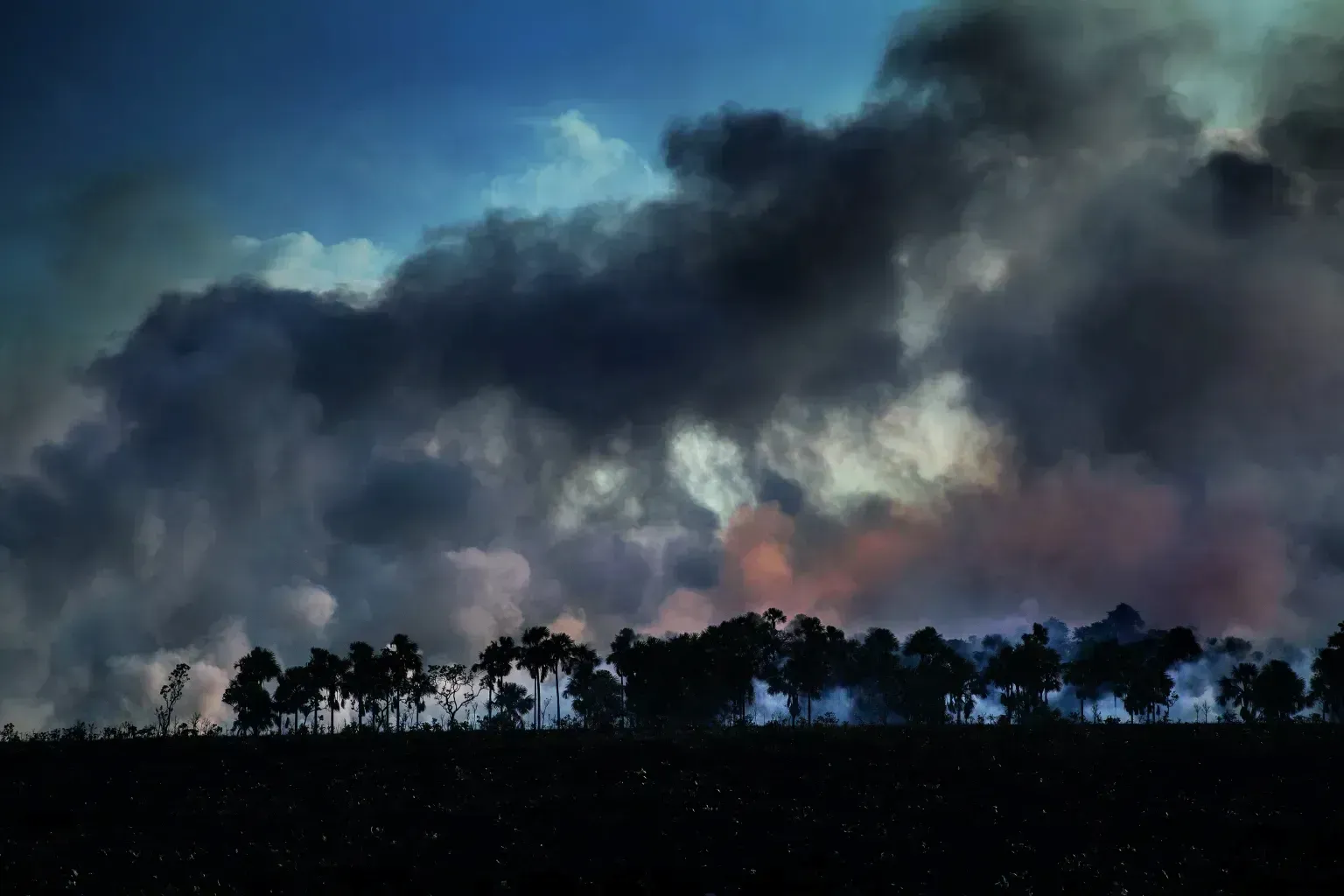
Globally, approaches have varied in how people have addressed wildfires in their areas. In Indonesia, the combination of unusually long dry seasons and slash-and-burn agricultural methods has intensified fire risks. With photography by grantee Fergus Thomas, grantee Sally Williams’ story “The Squad of Motorbike-Riding Women Fighting Wildfires in the Jungle” documents the community-led efforts to manage and extinguish fires.
The Amazon has experienced an increase in fires due to deforestation and climate change. Grantees Carolina Pinheiro, Mauricio de Paiva, and Ronaldo Ribeiro addressed this in their 2026 story “The Different Faces of Fire,” in which they spoke to Indigenous communities in the Amazon about their ancestral practices with fire and how wildfires have impacted their ways of life. The story compares Indigenous fire management techniques with the current resource exploitation of the Amazon, which has resulted in a more vulnerable ecosystem.
Pinheiro, Paiva, and Ribeiro’s work was funded through the Amazon Rainforest Journalism Fund, which has since evolved into the Pulitzer Center Rainforest Reporting Grant. This grant supports reporting on tropical forests in the Amazon, Central Africa, and Southeast Asia.
The Pulitzer Center supports a diverse range of journalism, including a number of environmental focuses. Our reporting initiatives focus on climate change, ocean degradation, global health inequities, and other issues affecting people’s lives around the world.
To read more about our reporting initiatives, and to apply for a reporting grant, visit pulitzercenter.org/initiatives.
Homepage photo caption: Thick smoke rises from a wildfire burning near Ille-sur-Tet close to Perpignan in southern France as a firefighting plane drops water to battle the fast-spreading blaze from the air. Image by arafatmyt/Shutterstock.