Pulitzer Center Update August 13, 2026
With Pulitzer Center Reporting, Student Journalists Lead 'Malaria Paradox' Radio Series in Zambia
Country:

Project
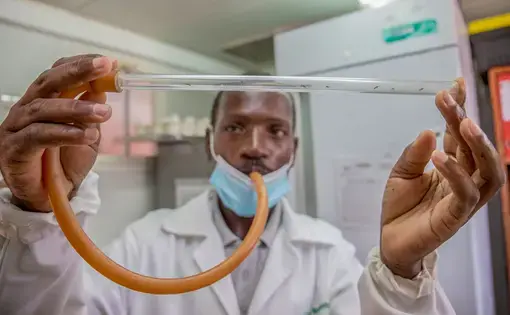
Mozambique's Malaria Problem
Why does malaria persist despite the best efforts to defeat it?

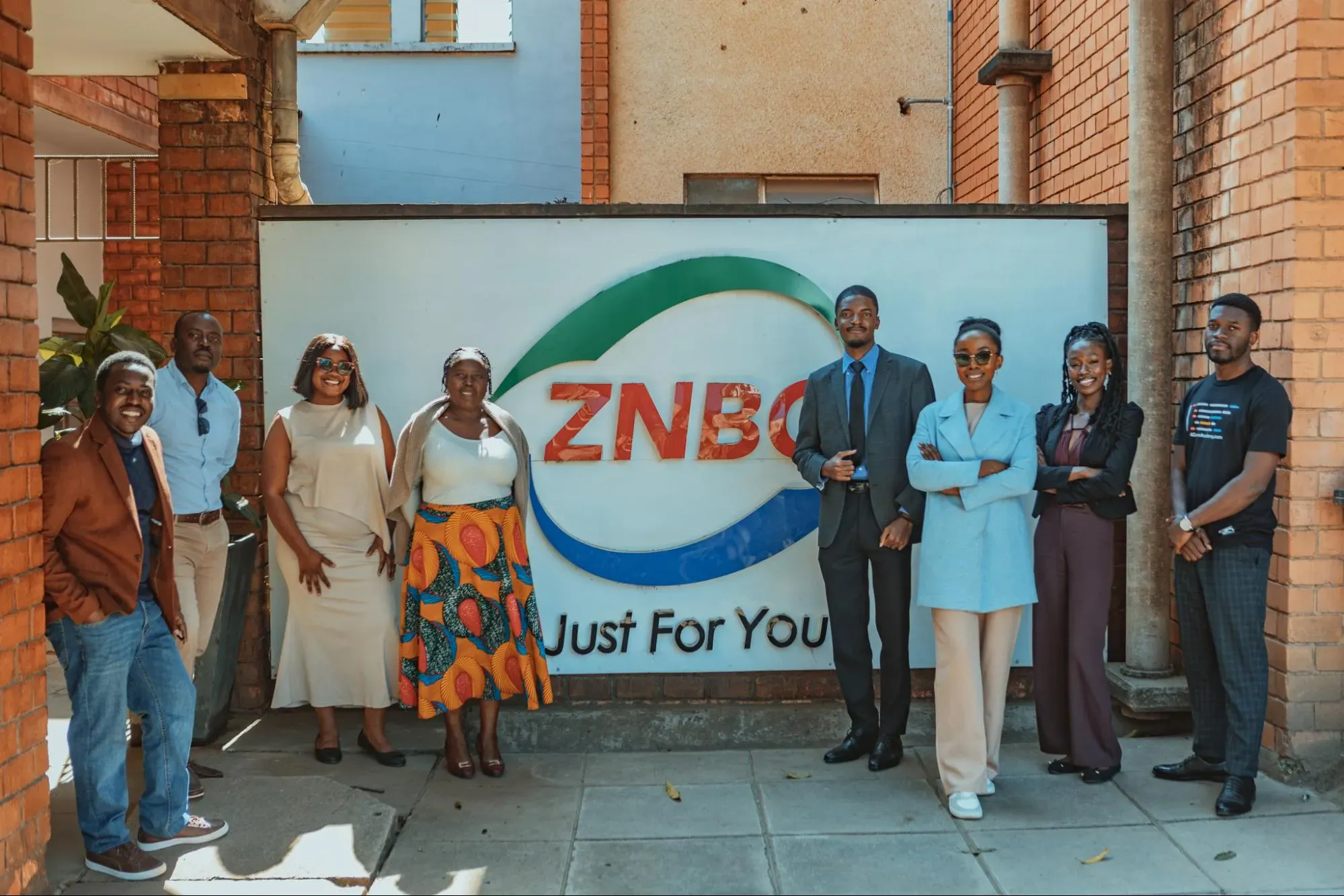
As part of the Pulitzer Center Africa Outreach initiative, the Pulitzer Center partnered with Kalichi Pictures in Zambia to implement a participatory radio series, The Malaria Paradox. The activity was coordinated from Lusaka and implemented earlier this year.
The project transformed international investigative journalism into locally grounded public dialogue on Zambia’s malaria crisis. Led by student journalists, the four-part radio series was designed to help communities understand why malaria cases continue to rise despite decades of investment in prevention, treatment, and elimination efforts.
Broadcast in English and aired across four radio platforms, the series created a national conversation involving health experts, students, urban professionals, mothers, families living in flood-prone settlements, and listeners from multiple provinces across Zambia.
Why 'The Malaria Paradox' was needed
Zambia has made significant progress in reducing malaria deaths over the past two decades, and some areas were once considered close to malaria elimination. However, recent epidemiological data show a troubling reversal. In the first half of 2025, the country recorded a 16% increase in malaria cases, even as mortality continued to decline.
This contradiction formed the basis of the project’s central question: Why are malaria infections increasing despite major financial investments and widespread prevention campaigns?
The series explored several interconnected issues:
- The biological adaptation of mosquitoes, including increased outdoor and early-evening biting;
- The growing gap between declining mortality and rising infection rates;
- The effectiveness of current interventions such as Indoor Residual Spraying (IRS), Rapid Diagnostic Tests (RDTs), mosquito nets, and the malaria vaccine;
- The urgent need for social and behavioral change, including environmental hygiene, proper net use, and avoidance of self-medication.
By framing malaria as both a scientific and social challenge, the project encouraged listeners to move beyond passive health messaging and critically reflect on their own behaviors and community practices.
Pulitzer Center story inspired radio series
The project was anchored by the Pulitzer Center-supported investigation “Lingering Fever” by grantee Leslie Roberts. The investigation documents how Mozambique experienced a dramatic increase in malaria incidence despite receiving nearly US $1 billion in malaria funding, largely because mosquitoes evolved resistance to traditional interventions.
The story was selected because its findings closely mirror Zambia’s current situation. Zambian mosquitoes are increasingly exhibiting the same adaptive behaviors described in the article, including biting outdoors and earlier in the evening, reducing the effectiveness of bed nets and indoor spraying.
The investigation challenged a widespread public assumption that sleeping under a mosquito net alone guarantees protection. By explaining mosquito adaptation in accessible terms, the story validated the frustrations of families who continue to experience repeated malaria infections despite following conventional prevention advice.
Throughout the radio series, the student hosts used specific findings from the investigation, including the “counter-offensive” mounted by mosquitoes, the paradox of high funding alongside high infection rates, and the challenges surrounding RDTs, as discussion prompts for expert guests. This approach elevated the broadcasts from routine health education to evidence-based public accountability and policy discussion.
How the activity was conducted
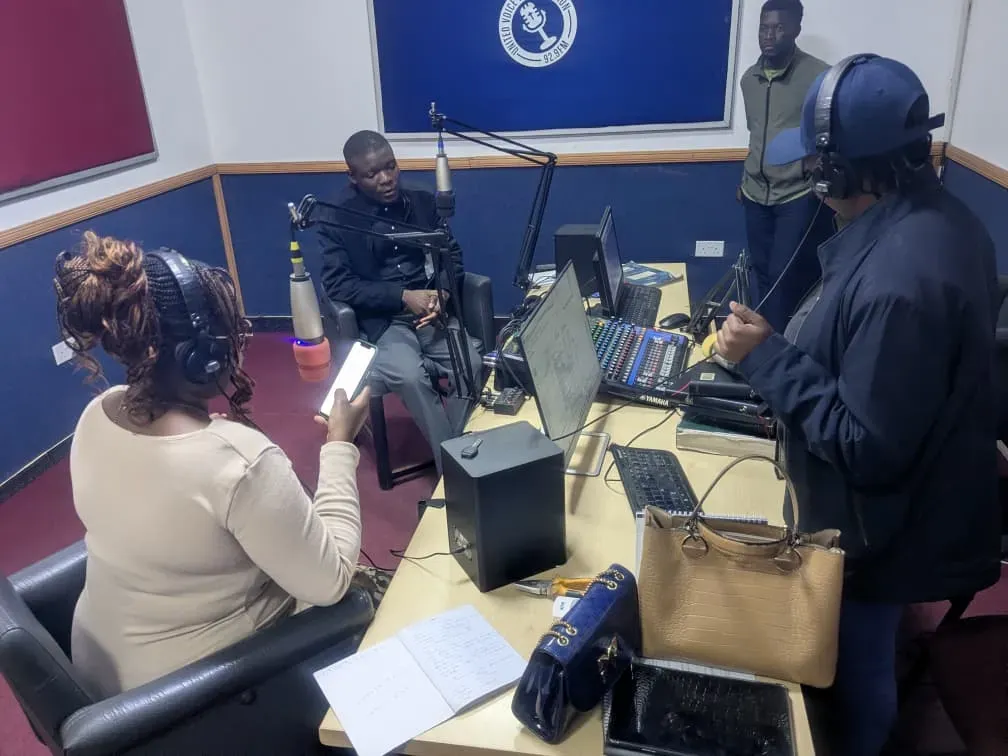
The project consisted of four live radio episodes, each lasting approximately one hour and structured around a “50/50” participatory format. The first half featured expert interviews and analysis, while the second half was dedicated entirely to audience participation through phone calls, WhatsApp voice notes, social media comments, and community vox pops.
- "Episode 1: Comparing Malaria in Zambia from the Past to the Present": Broadcast on ZNBC Radio 2 on June 23, this episode featured retired parasitologist Masela Sekeseke-Chinyama, former country director of Malaria Consortium Zambia. The discussion examined historical and current malaria trends, drug resistance, diagnostic challenges, and the dangers of self-medication.
- "Episode 2: Can Zambia Be 100% Malaria Free?": Aired on UNZA Radio on June 24, 2026, this episode featured Reuben Zulu, chief vector control officer at the National Malaria Elimination Centre. The program explored national malaria statistics, government interventions, IRS, mosquito net distribution, and the role of community ownership in sustaining prevention efforts.
- "Episode 3: Ending Malaria Together Through Community Action": Broadcast on Hone FM on June 24, this episode focused on malaria hotspots in Lusaka, including Kamwala and Misisi. Monitoring and Evaluation Officer Maria Mwaba discussed environmental risk factors, traveling malaria, and the importance of accurate surveillance data.
- "Episode 4: The Frontline Reality — Treating Malaria": This final episode aired on United Voice Radio on June 27, 2026. It featured Dr. Norman Tembo, who explained malaria symptoms, severe complications, treatment adherence, RDTs, and the new malaria vaccine introduced in Zambia in October 2025.
To deepen community engagement, the student journalists also conducted interviews in neighborhoods and produced vox-pop segments that brought grassroots perspectives directly into the broadcasts.
Public voices and community reflections
Listeners used the broadcasts to share personal experiences and propose solutions. Several recurring themes emerged:
- stronger environmental sanitation and drainage management
- renewed government spraying campaigns
- stricter enforcement of anti-mosquito regulations
- better public education on correct mosquito net use
- greater trust in diagnostic testing before treatment
One listener from Lusaka emphasized the need to “adapt to the evolving species of the Anopheles mosquito and devise new measures to combat the disease,” while another warned that incomplete medication courses may contribute to parasite resistance.
These viewpoints showed that communities were not only receiving information but actively engaging with the scientific and policy dimensions of malaria control.
Key outcomes and impact
- Strengthened public understanding: The integration of investigative journalism with expert discussion helped audiences understand complex concepts such as mosquito adaptation, drug resistance, and surveillance systems in accessible language.
- Empowered student journalists: The student hosts reported significant growth in their ability to discuss scientific evidence, question health policies, and facilitate public dialogue. They described the experience as transformative in understanding the systemic dimensions of malaria control.
- Shift toward behavioral responsibility: A major outcome was a clear shift in emphasis from government action alone to shared community responsibility. Participants repeatedly highlighted the importance of environmental hygiene, proper net use, prompt testing, and avoiding self-medication.
- Increased demand for health education: The broadcasts generated calls for continued sensitization on malaria treatment, vaccine uptake, and prevention practices at the community level, indicating sustained public demand for health communication.
Highlights
Several moments stood out during the series:
- Listeners from multiple provinces connected live to discuss recurring infections and prevention challenges.
- A caller highlighted the need for stronger environmental laws to eliminate mosquito breeding sites.
- Community vox pops revealed widespread misconceptions about malaria symptoms and treatment adherence.
- Listeners adapted creatively to technical difficulties, including calling personal mobile numbers when studio lines failed, demonstrating high public commitment to the conversation.
These moments illustrated the power of participatory radio to create authentic civic engagement around public health.
Challenges and lessons learned
The project faced a number of operational challenges, including delayed studio access, late arrival of guests, limited live call-in participation on some stations, and technical constraints affecting audience interaction.
The student hosts nevertheless rated their overall experience 4.5 out of 5 and their confidence discussing mosquito adaptation 5 out of 5. Key lessons included the need for:
- longer preparation timelines
- earlier promotion campaigns
- extended research periods for hosts
- stronger technical rehearsals
- more structured audience engagement planning
The experience confirmed that participatory investigative broadcasting requires both strong editorial preparation and robust technical coordination.
Conclusion
The Malaria Paradox demonstrates how investigative journalism can move beyond publication to become a catalyst for public learning, accountability, and community action. Through the partnership between the Pulitzer Center and Zambia’s participating radio stations, global reporting on malaria was translated into local dialogue that resonated with communities across the country.
The series not only informed listeners about the evolving malaria threat but also empowered student journalists, amplified public voices, and encouraged a national conversation on shared responsibility in disease prevention.
Most importantly, the project reinforced a critical lesson: As mosquitoes and malaria parasites continue to evolve, public health communication, community behavior, and policy responses must evolve as well. Sustained education, local ownership, and evidence-based dialogue remain essential if Zambia is to move closer to its goal of a malaria-free future.