Pulitzer Center Update August 19, 2026
NORDESO, Pulitzer Center Team Up in 'Voices Against Witchcraft Accusations' Radio Project
Country:

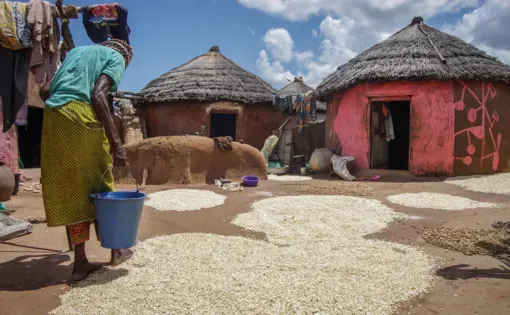
In northern Ghana, hundreds of women live in exile—condemned to “witch camps.”


As part of the Pulitzer Center’s Africa Outreach Initiative, the Pulitzer Center partnered with the Northern Development Society (NORDESO) to implement a participatory radio and community awareness project titled Voices Against Witchcraft Accusations in Northern Ghana. The activity was conducted in Tamale, Ghana, between January and March 2026, with broadcasts aired through Radio Savannah in the Dagbani language.
NORDESO is a Ghanaian civil society organization based in Tamale that works to promote human rights, social inclusion, community development, and the protection of vulnerable populations. Through this partnership, NORDESO led a multimedia public education campaign aimed at addressing the persistent problem of witchcraft accusations and the resulting violence, stigma, and social exclusion experienced by many women in Northern Ghana.
The initiative was designed to create a safe and accessible platform where community members, traditional leaders, women’s groups, youth, journalists, and government representatives could openly discuss the causes and consequences of witchcraft accusations and explore solutions rooted in justice, human dignity, and community dialogue.
Why this activity was needed
Witchcraft accusations remain a deeply rooted social challenge in parts of Northern Ghana. Elderly women, widows, women living in poverty, and other vulnerable individuals are often accused of causing illness, death, crop failure, or other misfortunes. Such accusations can lead to banishment, violence, family separation, loss of livelihood, and long-term psychological trauma.
NORDESO selected the Pulitzer Center-supported story “Banished and Forgotten: A Story of Women Exiled Over Witchcraft” by journalists Claire Thomas and Nicholas Azebire because it closely reflects realities faced by communities in the Northern, North East, and Savannah regions of Ghana. The story documents the experiences of women living in so-called “witch camps,” highlighting both the immediate harm caused by accusations and the broader human rights implications.
The selection was intentional for several reasons. First, the story presents real experiences of affected women, making the issue emotionally compelling and relatable for local audiences. Second, many listeners in the target regions are directly or indirectly affected by witchcraft accusations, making the topic both urgent and relevant. Third, the story provided a strong evidence-based foundation for public education on human rights, gender justice, and social protection.
Because many target communities have limited literacy and limited internet access, the project transformed the investigative reporting into dramatized radio storytelling in local languages. This adaptation allowed audiences to engage with the story through familiar oral traditions rather than written journalism, making complex social and legal issues easier to understand and discuss publicly.
From investigative reporting to community dialogue
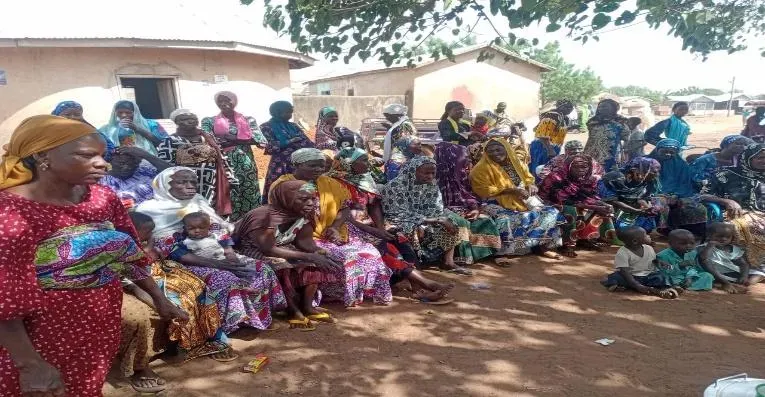
The Pulitzer Center story was integrated into the activity in several ways. Each radio episode began with a summary of the investigative report, followed by discussion prompts based on themes from the story. The project team then developed dramatized audio segments that translated the reported experiences into realistic local scenarios involving accusation, banishment, life in witch camps, and reintegration into the community.
The dramatizations were not fictional entertainment alone; they were educational tools designed to stimulate reflection and dialogue. They explored questions such as:
- Why do witchcraft accusations persist?
- Who is most affected and why?
- What happens in witch camps?
- What legal protections exist?
- How can communities prevent violence and exclusion?
This approach ensured that the journalism did not remain a distant news story but became a living community conversation linked to local realities.
How the activity was conducted
The project was implemented through three live participatory radio episodes broadcast from Radio Savannah in Tamale. Each episode combined moderated discussion, expert panel contributions, listener call-ins, and dramatized storytelling.
Episode 1: "The Day of Accusation": The first episode portrayed an elderly widow accused of causing a drought and a death in her community. The segment explored fear, rumor, mob pressure, and the importance of lawful responses to accusations. Human rights officers and women’s advocates discussed legal protections, due process, and the disproportionate targeting of poor and elderly women.
Episode 2: "Life at the Camp": The second episode focused on the harsh realities of life in witch camps, including isolation, poor housing, lack of healthcare, food insecurity, and emotional abandonment. Panelists connected these realities to broader human rights concerns and emphasized the responsibility of families, traditional authorities, and the state to protect vulnerable individuals.
Episode 3: "Return, Reintegration, and Stigma": The final episode examined the challenges faced by women who return to their communities after exile. The episode highlighted persistent stigma, fear, economic exclusion, and the need for structured reintegration, psychosocial support, and community sensitization.
In addition to the broadcasts, NORDESO conducted pre-broadcast community outreach, engaged traditional leaders and women’s groups, promoted the programs through local networks, and displayed posters in marketplaces, gathering points, and other public spaces to reinforce the campaign messages.
Audience engagement and community response
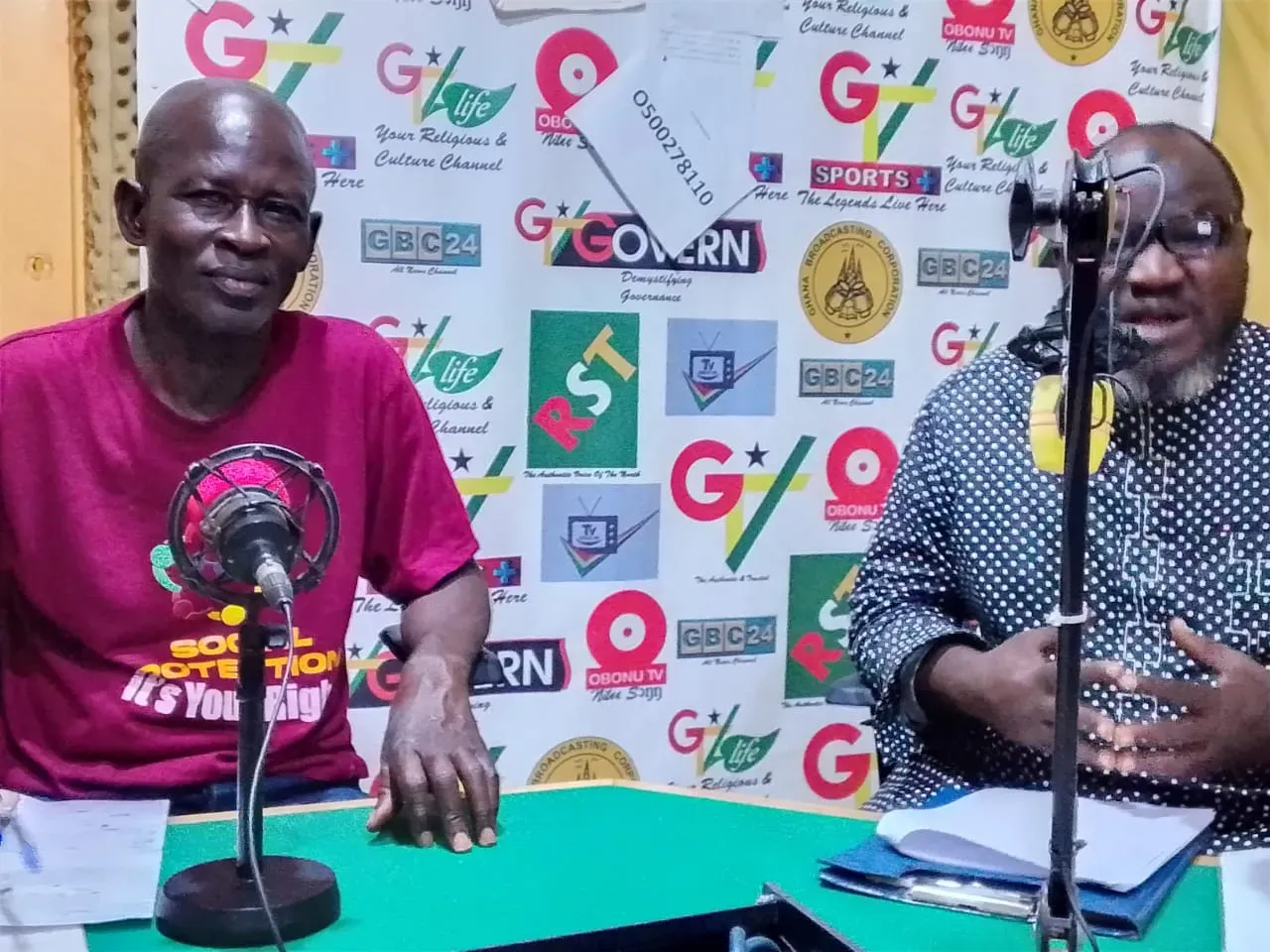
Listener engagement was strong. Community members called into the programs to share personal experiences, ask questions, and debate cultural beliefs and legal protections. One of the most powerful moments occurred when a caller recounted how his aunt had been accused under circumstances similar to those portrayed in the dramatization.
Participants emphasized that the dramatizations helped them understand the daily suffering of accused women. Listeners called for stronger laws, continued public education, and greater protection for vulnerable women.
Youth also engaged through SMS and WhatsApp messages, expressing a desire for broader education campaigns and social change within their communities.
Key outcomes and impact
The project produced several important outcomes, such as:
- Increased empathy and awareness: The combination of journalism and dramatized storytelling significantly increased audience understanding of the human consequences of witchcraft accusations. Discussions shifted from abstract beliefs to concrete concerns about dignity, justice, health, and family wellbeing.
- Community leadership engagement: Traditional leaders actively participated in the dialogue. Notably, three sub-chiefs publicly committed during the broadcasts to initiate discussions in their communities about ending witchcraft accusations, demonstrating a tangible outcome beyond the radio programs themselves.
- Greater interest in legal protection: The discussions generated informed public interest in legal reforms, including the proposed Anti-Witchcraft Bill. Listeners increasingly framed the issue in terms of rights, protection, and accountability rather than superstition alone.
- Demand for continued sensitization: Community leaders expressed interest in follow-up education programs, suggesting that the activity created momentum for sustained local engagement on human rights and social inclusion.
Challenges encountered
Implementation was not without difficulties. The project team faced:
- Limited internet access in target communities
- Low digital literacy, which restricted online monitoring and analytics
- Hesitancy among some participants to discuss personal experiences because of fear of stigma
- Resource constraints that limited field visits and formal impact surveys
- Time limitations within the radio format, given the high level of audience participation
These challenges reinforced the importance of context-appropriate communication methods and flexible community engagement strategies.
Lessons learned
Several important lessons emerged from the project:
- Local-language radio remains one of the most effective tools for reaching marginalized rural communities.
- Dramatized storytelling is highly effective in helping audiences emotionally connect with complex social issues.
- Traditional leaders are essential partners in changing harmful social norms.
- Behavior change requires sustained dialogue, not one-off messaging.
- Reintegration efforts must involve returnees, families, communities, and local authorities simultaneously.
- Mental health and psychosocial support are critical components of responses to accusation and displacement.
These lessons provide valuable guidance for future community media and human rights programming.
Storytelling: A tool for social change
“Voices Against Witchcraft Accusations in Northern Ghana” shows the transformative potential of combining investigative journalism, local-language media, and community dialogue. Through the partnership between the Pulitzer Center and NORDESO, a Pulitzer Center-supported story moved beyond publication and became a catalyst for public reflection, empathy, and collective action.
Most importantly, the initiative showed that storytelling can be more than communication, it can be a practical tool for social change. As communities continue conversations sparked by the broadcasts, the partnership has laid an important foundation for stronger protection of vulnerable women, greater respect for human rights, and more inclusive community development in Northern Ghana.
RELATED INITIATIVES
Initiative
Africa Outreach Program