Pulitzer Center Update June 10, 2026
From Investigative Journalism to Public Dialogue and Learning
Country:


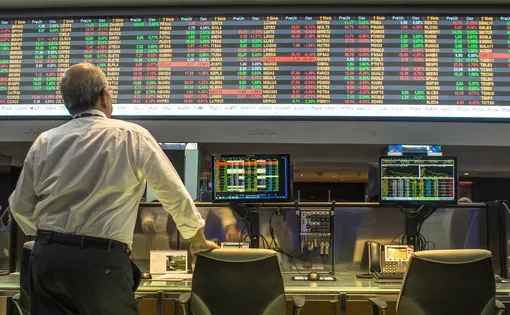
Everybody wants stock market dividends, but are they aware of the destiny of their money?
Why we amplified reporting series that linked global finance to 'social and environmental harms'
What connects environmental violations in Indigenous territories with decisions taken in global financial institutions thousands of kilometers away? The connection is not always so obvious, unless someone uncovers it.
Rainforest Investigative Network (RIN) Fellow Bruna Bronoski investigated the flow of financial instruments that fund agribusiness expansion in protected Indigenous territories in Brazil. This reporting uncovered the complex web of financial structures that can play a role in social and environmental harms.
At the Pulitzer Center, we believe that journalism doesn’t stop at publication. We felt that Bronoski’s story truly represents the theme of transparency and governance, and its reporting process can help others working in the financial and environmental sector ask sharper questions around financial instruments often labeled as "green."
This was the thinking behind our efforts to amplify Bronoski’s reporting in various opportunities. Last year, with the support of the Pulitzer Center’s Data and Research team, Bronoski published a methodology piece, opening the step-by-step behind the investigation to inspire other journalists. At the Abraji Congress in July 2025, one of the most important journalism events in Latin America, she shared her work alongside other speakers with journalists specializing in climate and environmental coverage ahead of COP30 in Belém, Brazil.
“At Pulitzer Center, we don’t just provide financial support to journalists. We want to build infrastructure and capacity that empower more journalists to produce impactful investigations. We want to play the long game. During Bruna’s Fellowship, our Data and Research team worked with her to develop the methodology because we know this novel approach would expose the financial enablers behind environmental destruction and hold them accountable. Now we want more journalists to be able to have this capacity,” said Kuek Ser Kuang Keng, senior editor for rainforest investigations at the Pulitzer Center.
But we also saw interest from beyond the journalism network. More and more, we see the future of journalism as a collaboration not only between journalists, but also a collaboration between disciplines.
Earlier this year, Bronoski’s investigation was part of a case study in the Journalist-Academia Dialogue in Southeast Asia, bringing together university professors, researchers, and journalists whose work focuses on natural resources, transparency, and governance.
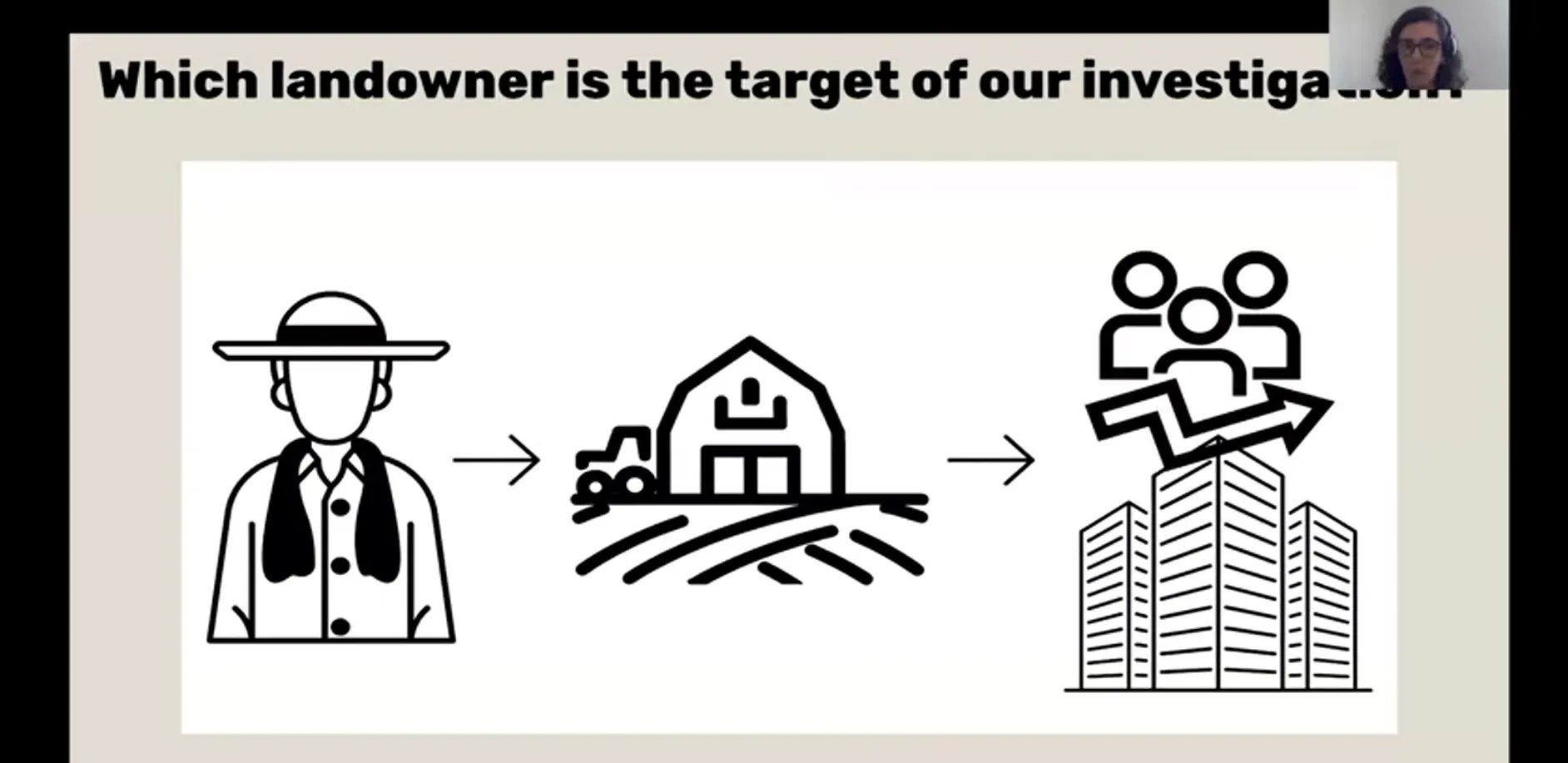
To make the investigation methodology more accessible, we supported Bronoski, her team at O Joio e o Trigo, and independent researchers to produce a webinar that would break down the investigation process into practical steps for the broader network.
Organized in two separate sessions—for Portuguese Brazilian and English-speaking audience—the webinars showed how journalists and independent researchers complement each others’ work in tracing financial flows linked to environmental wrongdoings. The participants were not limited to journalists. Researchers, environmental and legal activists, and university students joined the session. Surprisingly, for a story that had been presented in multiple dialogues and forum, the webinar attracted 150 live attendees for the Portuguese version and 40 attendees in the English version.
“Bruna’s work sheds light on an extremely complex information system surrounding the Brazilian financial system. Expanding this knowledge with professors who can bring these discussions into classrooms, NGOs working on transparency, among others, will provide Brazilian society with knowledge that is more than necessary. This is essential both for oversight policies to be implemented by the relevant authorities and for ordinary citizens to understand the environmental risks associated with their investments and make the necessary decisions,” said Latin America Education Program Manager Maria Rosa Darrigo.
One takeaway from the webinar was that much of the information is actually publicly available if we know where to look. Participants heard how the reporting traced financial flows, cross-referenced business ownership information and addresses to understand the complex supply chain linked with socioenvironmental wrongdoing.
“In the last decades we were able to identify landowners who are often tied to a political or financial elite in Brazil. This is a legacy of colonization and a practice in Brazil that we’ve faced in the last 500 years. What’s different now is the growth of investment funds with hundreds of investors behind it. There are landowners who are also part of investment funds and we need to investigate them and expose what they are doing, if and how they’re linked to social and environmental wrongdoings,” said Bronoski.