Pulitzer Center Update December 29, 2025
Inspired by Pulitzer Center Report, Young Digital Creators in Ghana Take On Fast Fashion
Country:


These jeans tell a story of globalization. In 2021, a pair of Levi’s 501s may have had their cotton...

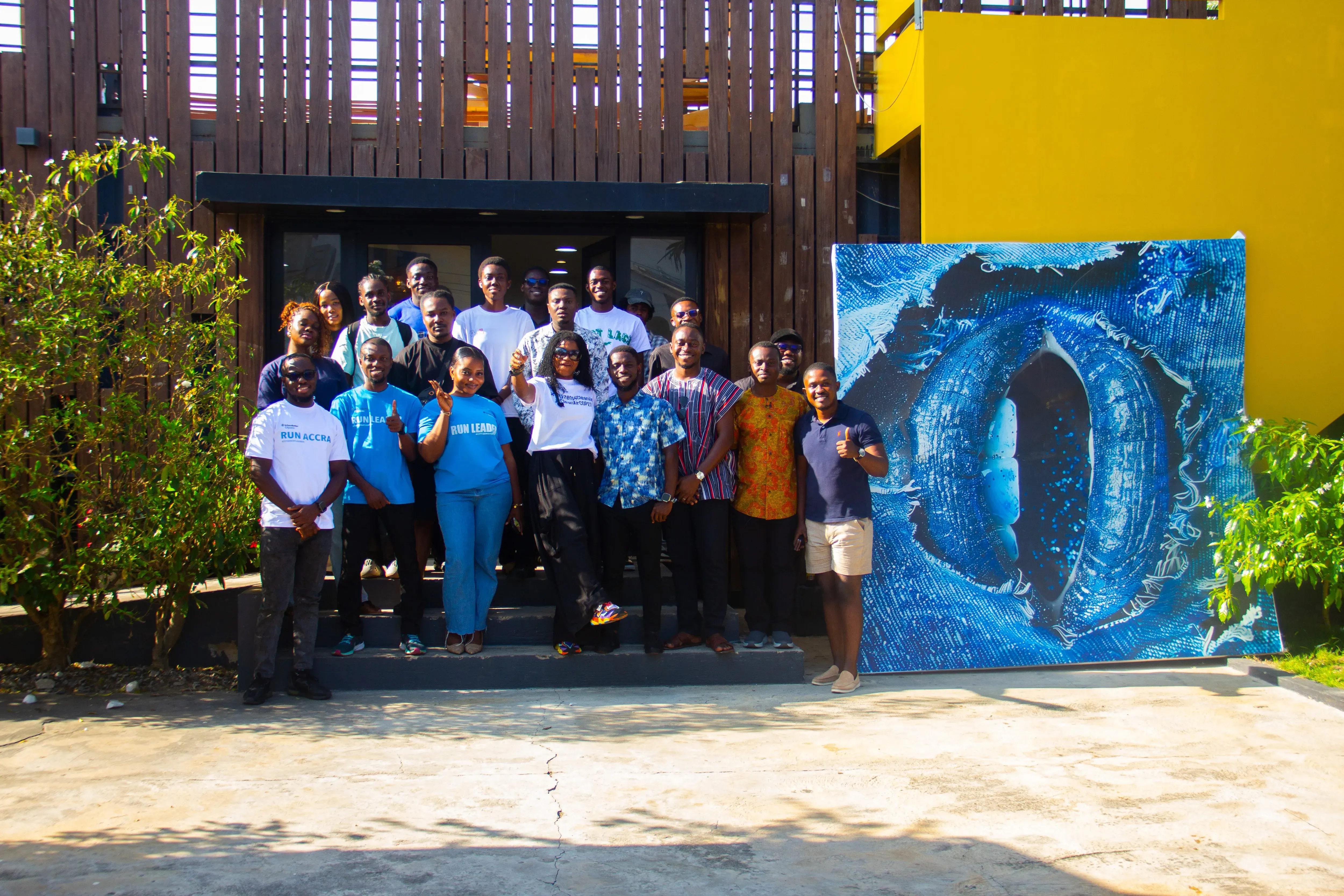
The UrbanBetter Accra Cityzens Hub, in partnership with the Pulitzer Center, has empowered a new generation of digital activists to tackle one of the world's most pressing environmental and social crises: fast-fashion waste.
The Cityzens Digital Content Creation Contest transformed impactful investigative journalism into a wave of creative digital campaigns led by youth, reaching tens of thousands of people and reshaping the narrative on consumption and waste.
The project drew on Pulitzer Center grantee Ryan Lenora Brown's investigation "What Fast Fashion Costs the World," which details the complex, global journey of discarded clothing and its devastating impact on the Global South, particularly Kantamanto Market, in Accra, Ghana.
From Journalistic Insight to Digital Action
The initiative unfolded in two phases designed to build an in-depth understanding of the issue and spark public action.
Phase 1: The content creation dialogue
A cohort of 31 young digital creators, each with a significant social media following, participated in an intensive half-day workshop. Facilitated by veteran journalist Albert Ansah, of the Ghana News Agency, the dialogue drew on the aforementioned Pulitzer Center-supported report as its core textbook.
In a "deep-dive journalism session," participants dissected the article's data on carbon emissions, textile waste volumes, and the human stories behind Kantamanto. A key teaching moment came from the article's perspective on the "invisible consequences" for people who find themselves at the end of the pipeline of clothing donations. This approach equipped creators not only with facts but also with the ethical framework needed to tell these stories responsibly.
The result was a measurable shift in perspective. Surveys conducted before and after the workshop showed participants' understanding evolved from viewing fast fashion as a simple "environmental problem" to recognizing its complex economic and ethical dimensions.
Phase 2: The Digital Content Creation Contest
Armed with journalistic skills and inspiration, seven creators launched innovative digital campaigns on YouTube, Instagram, TikTok, LinkedIn, and Facebook. They extracted compelling data and visual metaphors from the reporting, such as the "five-story mountain of waste," and transformed them into engaging short videos, infographics, and posts.
Themes like "The Journey of Obroni Wawu" (the local term for secondhand clothing) and "Kantamanto's Hidden Flaws" made the global problem relevant to local audiences.
Impact of the Youth-Led Digital Movement
The project has generated significant interest in the issue of fast-fashion waste pollution in Ghana. The recording of the workshop, shared online, reached an additional 438 people on WhatsApp, LinkedIn, and Instagram. Meanwhile, the youth-led online campaign reached over 30,000 people across social media platforms and generated more than 1,100 views and interactions.
"During the workshop, I was struck by the power of storytelling when journalists go beyond statistics to focus on the lived experiences of those most impacted," shared one participant, highlighting the human-centred approach.
Key Lessons for Future Advocacy
The project yielded crucial insights for the future of digital advocacy:
- Journalism is a powerful anchor: Using credible investigative reporting as a foundation elevated digital content from generic activism to informed, trustworthy advocacy.
- Local relevance is key: The inclusion of the Kantamanto Market in the reporting provided immediate local context, crucial for resonance and engagement among Ghanaian youth.
- Skills transfer works: Creators successfully learned to translate evidence-based facts into compelling "hooks" for social media virality.
By bridging the gap between investigative journalism and digital creativity, the UrbanBetter Accra Cityzens Hub and the Pulitzer Center have demonstrated a powerful model for mobilizing youth, amplifying crucial stories and stimulating an informed public conversation on the issues that shape our world.
RELATED INITIATIVES
Initiative
Africa Outreach Program