Pulitzer Center Update August 19, 2026
How Young Creators in Ghana Used Investigative Journalism To Explore Waste Management Challenges
Country:

Waste management remains one of the most visible environmental challenges facing urban communities around the world. In Knot Trash, Pulitzer Center-supported journalist Anne Whiting examines the complex journey of discarded materials and the environmental and social consequences they leave behind. Inspired by the story’s findings, UrbanBetter Accra Cityzens Hub launched a series of engagement activities that invited young people in Ghana to explore the investigation and translate its insights into meaningful digital storytelling.
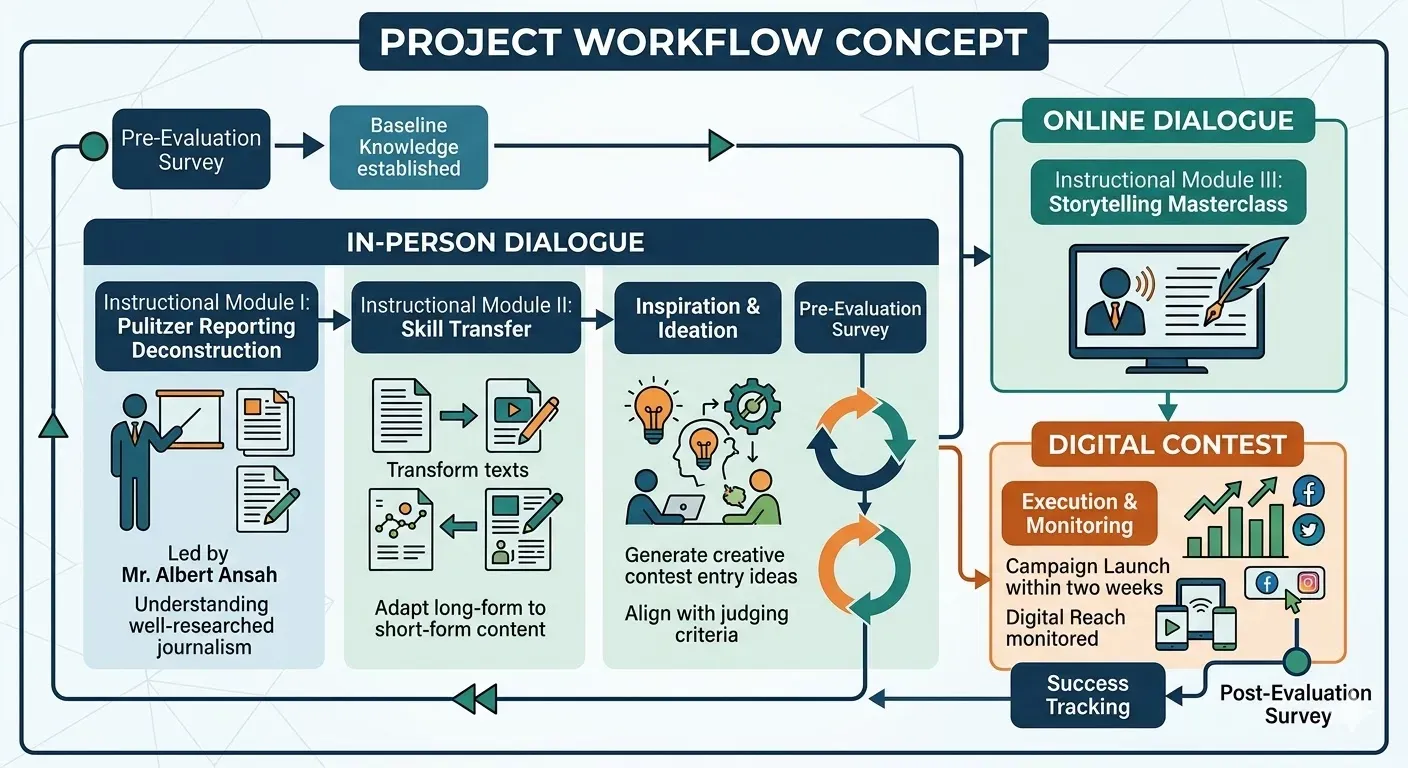
The initiative brought together youth leaders and digital creators in Accra through a combination of training sessions, an online masterclass, and a digital content creation contest. The activities aimed to build participants’ understanding of waste management issues, create spaces for discussion and learning, and encourage young people to engage more deeply with investigative journalism.
Understanding the story behind the headlines
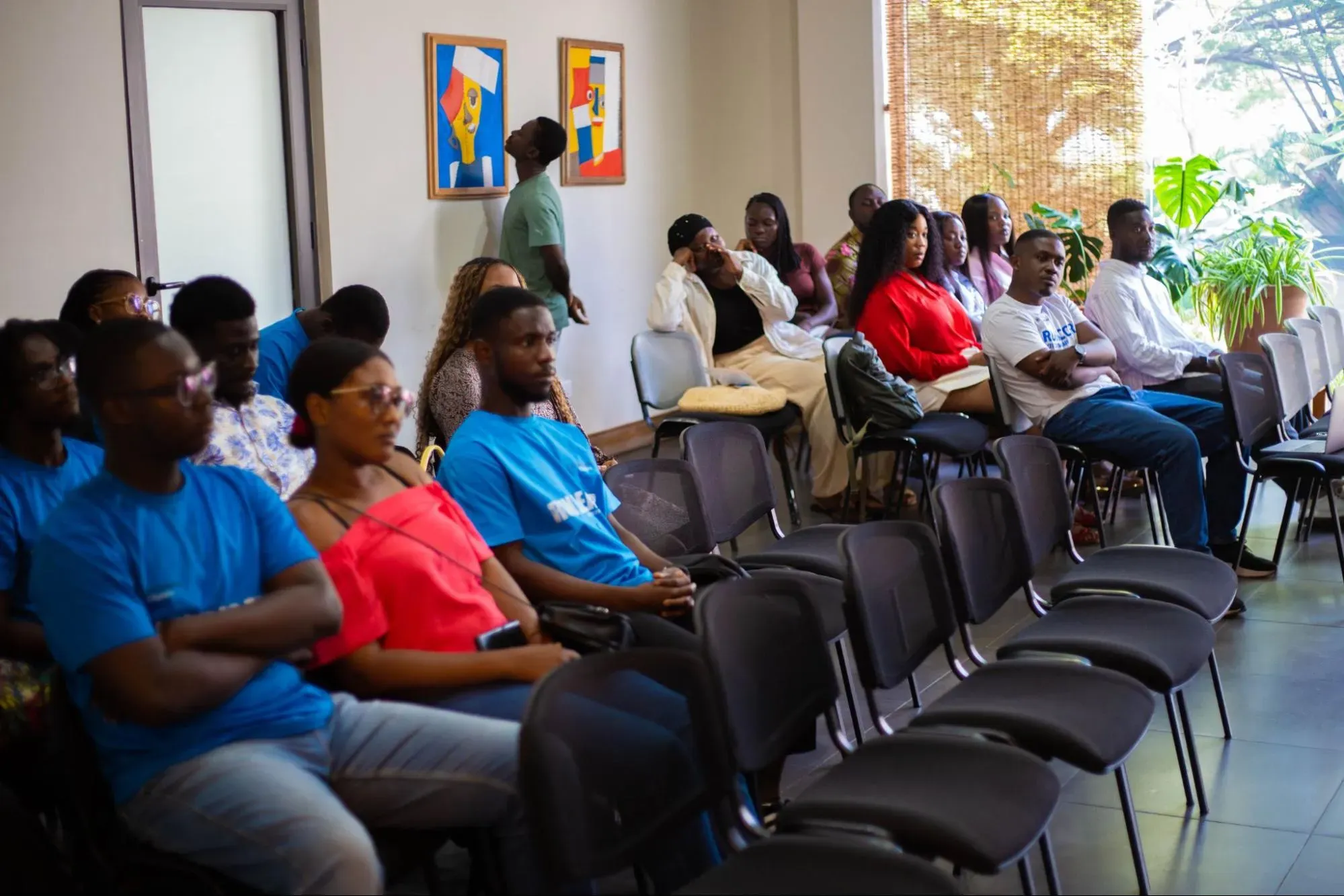
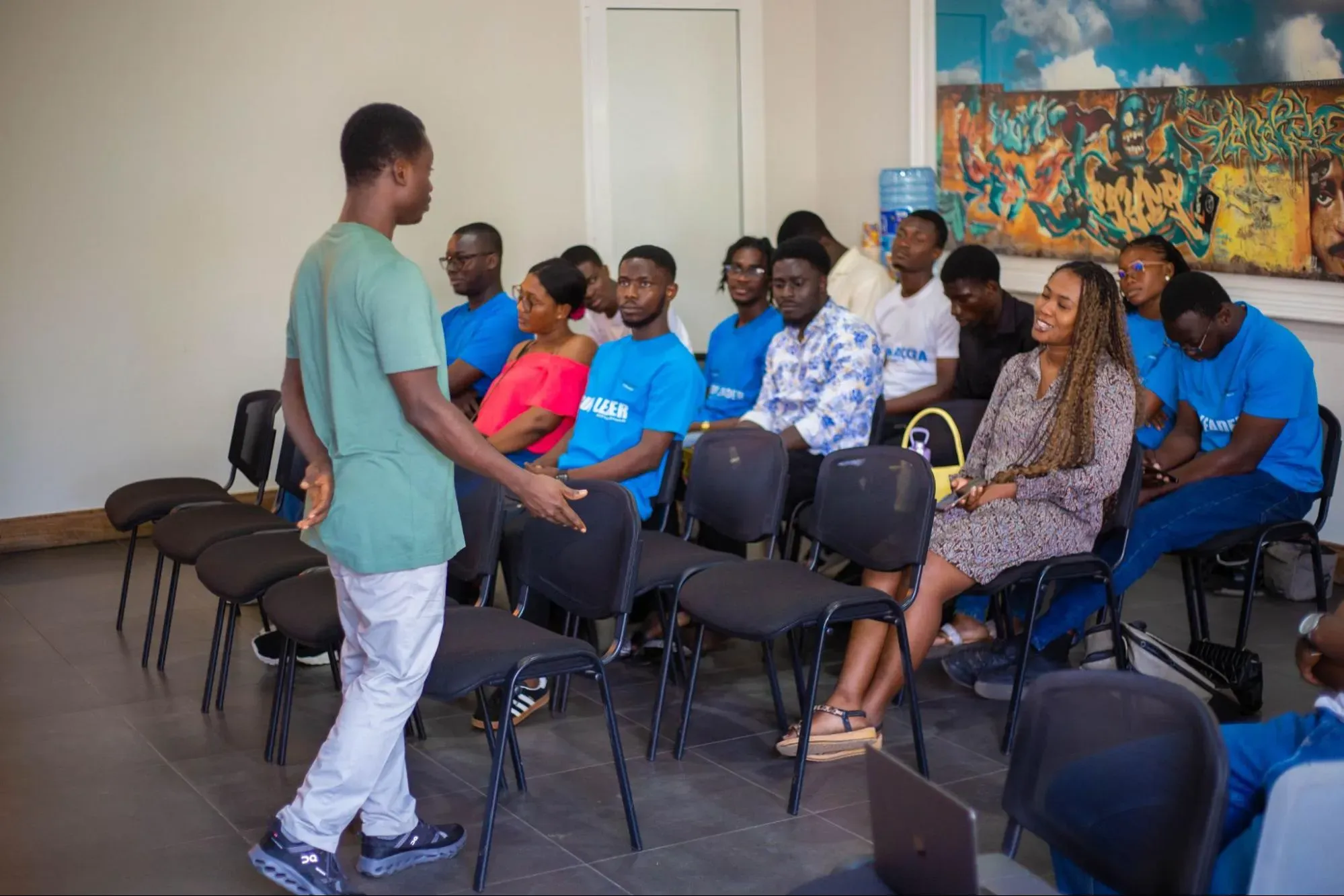
The engagement activities began with an in-person youth session held in Accra on March 7, 2026. Bringing together 26 participants, the workshop introduced young creators to the reporting process behind Knot Trash and the environmental realities highlighted in the investigation.
Facilitated by media professional Albert Oppong Ansah of the Ghana News Agency, the session explored how investigative journalism can uncover the often-overlooked consequences of waste pollution. Participants examined key findings from the story and discussed the environmental, social, and economic impacts of poor waste management on communities.
Using vivid examples from the reporting, including descriptions of overflowing waste sites and entangled debris, the discussion helped participants connect global environmental challenges with situations familiar to many residents of Accra. The session encouraged participants to think critically about how environmental issues are reported and how journalism can help communities better understand complex challenges.
A second session, held online on March 10, expanded on these discussions through a storytelling masterclass. The virtual gathering focused on how investigative reporting can be adapted into engaging digital content while preserving the accuracy and depth of the original story.
Participants explored techniques for identifying compelling narratives, interpreting data, and communicating complex information through formats commonly used on social media. The masterclass also examined how storytelling can make environmental issues more accessible to wider audiences, particularly young people who consume information primarily through digital platforms.
From learning to creating
Building on the knowledge gained during the training sessions, participants were invited to take part in the Cityzens Digital Content Creation Contest II. The contest challenged creators to transform the findings of Knot Trash into original digital content designed for platforms such as Instagram, LinkedIn, and TikTok. Participants developed a variety of submissions, including storytelling posts, infographics, and short-form content that translated key findings from the investigation into formats suitable for online audiences.
Drawing directly from the reporting, participants incorporated data, visual imagery, and human-centered narratives into their work. Themes explored included the impact of waste on urban environments, the hidden consequences of consumption, and the interconnected relationship between communities and environmental sustainability. The contest provided participants with an opportunity to apply newly acquired storytelling skills while demonstrating how investigative journalism can continue to engage audiences long after publication.
Seven youth creators ultimately submitted entries that reflected both creativity and a strong understanding of the reporting. Through their contributions, the investigation reached new audiences and generated conversations about waste management among young people online.
Collectively, the contest generated an estimated social media reach of more than 3,700 people and recorded over 100 engagements through comments, reactions, and interactions across multiple platforms.
Strengthening knowledge and understanding
Participant feedback highlighted the effectiveness of the engagement activities in deepening understanding of both environmental issues and investigative journalism.
Before participating, many attendees had limited familiarity with Knot Trash. Survey findings revealed that more than 60 percent of participants initially reported being unfamiliar with the story. Following the workshops and masterclass, familiarity increased significantly, with two-thirds of participants reporting a high level of familiarity with the investigation and half describing themselves as extremely familiar with its findings. The activities also strengthened participants’ understanding of waste management challenges. All respondents reported a high level of understanding of the environmental and social impacts associated with poor waste management, while more than 80 percent rated their understanding at the highest level.
Participants further reported increased confidence in transforming complex information into engaging digital formats. More than 80 percent indicated they felt equipped to create practical content such as video scripts and infographics, while many demonstrated a stronger ability to identify key narratives and data points within investigative reporting. One participant reflected on the experience by noting that the engagement had influenced the way they approach social media content, encouraging them to focus more intentionally on environmental issues and the challenges associated with waste management.
Lessons from the experience
One of the primary challenges encountered during implementation was participants’ limited prior exposure to the investigative story. To address this, facilitators relied on visual examples, localized references, and structured discussions that connected the reporting to participants’ everyday experiences.
The approach proved effective, demonstrating the importance of contextualizing complex journalism in ways that resonate with specific audiences. By grounding discussions in familiar realities and encouraging active participation, the sessions enabled participants to engage more confidently with the reporting and its findings.
The project also highlighted the importance of practical support for digital creators. Providing participants with data stipends helped remove barriers to content creation and allowed them to share higher-quality materials across their platforms.
Continuing the conversation
The Cityzens Digital Content Creation Contest II demonstrated how engagement activities can extend the reach and relevance of investigative journalism by creating opportunities for discussion, learning, and creative interpretation.
By using Knot Trash as a foundation for youth engagement, UrbanBetter Accra Cityzens Hub created a space where participants could explore environmental challenges, strengthen digital storytelling skills, and connect journalistic reporting with conversations taking place in their own communities.
Through training, dialogue, and creative content production, the initiative helped ensure that the story’s insights continued to reach new audiences while encouraging thoughtful reflection on waste management and environmental sustainability among young people in Ghana.
RELATED INITIATIVES
Initiative
Africa Outreach Program