Pulitzer Center Update February 20, 2026
After Covering Congo Violence, Grantee Sophie Neiman Urges Students To Report With Empathy
Country:

Project
Women and War in Eastern Congo
Women have borne the brunt of escalating violence in eastern Congo. Yet, even in this relentless...

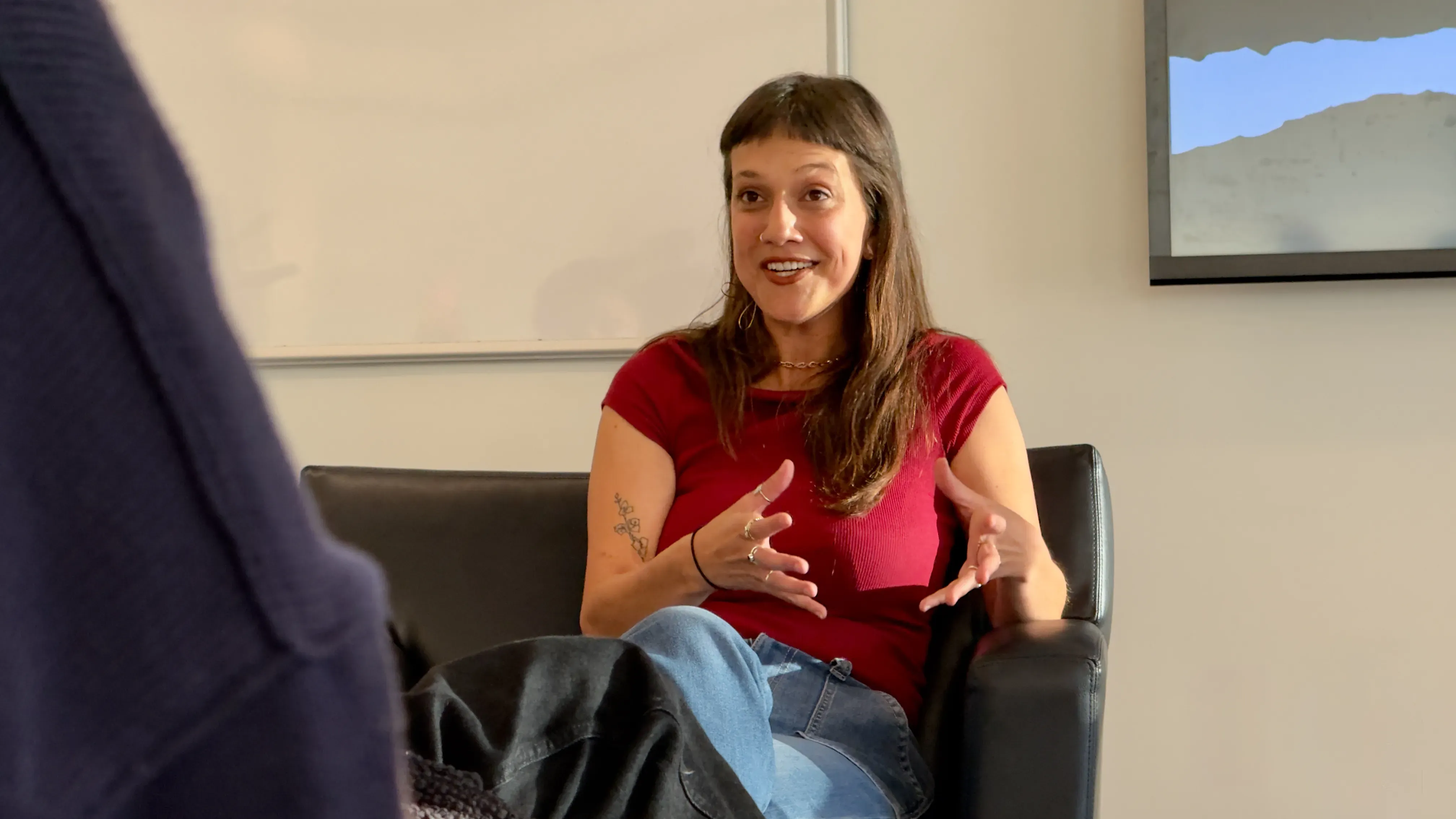
“What does it mean to truly bear witness?” award-winning journalist Sophie Neiman asked a packed classroom of journalism students and professors.
On September 30, 2025, the Pulitzer Center grantee spoke to students at the Newhouse School of Public Communications at Syracuse University about her 2024 Pulitzer Center-supported project Women and War in Eastern Congo. Her talk was part of Syracuse’s Silenced: Targeting Journalists and the Fight for Truth series, which analyzes how the global targeting of journalists affects freedom of the press and the future of reporting.
Based in Kampala, Uganda, Neiman is an independent journalist who covers conflict and human rights in Central Africa. Neiman is also the co-chair of the International Press Association of Uganda.
With her Pulitzer Center grant, Neiman documented stories of women living in eastern Congo amid the March 23 Movement (M23) insurgency.
Standing at a wooden podium, Neiman shared stories and photographs from her reporting. With a translator in the Congo, Neiman was able to piece together powerful narratives of Congolese women into a nuanced project exploring the impacts of war.
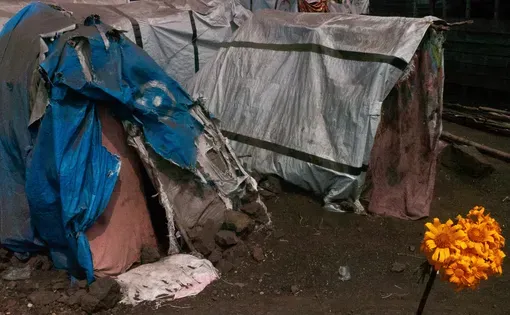
In one displacement camp, Neiman spoke with a 20-year-old woman who joined an M23 ally rebel group to escape the conditions of the camp. Displacement camps have little access to food and means of making money, so joining a rebel group becomes more appealing to young people.
Neiman said spending time with female rebels exposed how war disproportionately affects women compared to men.
“They are the first to die,” Neiman said.
Despite the horrors of war, Neiman said, she managed to find hope in the women she met.
In another displacement camp, Neiman spoke to a midwife who calls herself “Mamadaddy.”
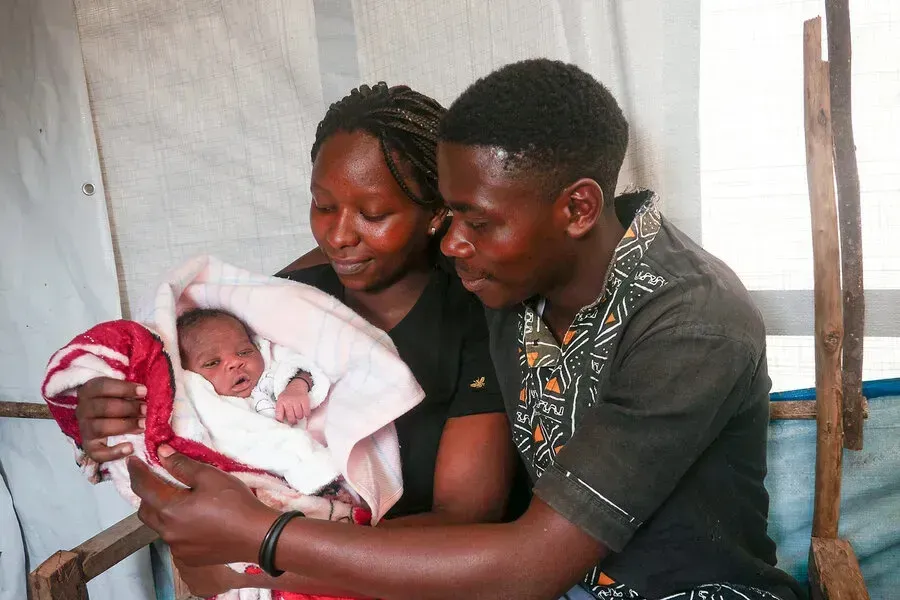
As men and women die from the war, Mamadaddy brings new life into eastern Congo. While reporting, Neiman and a group of pregnant women witnessed the birth of a child.
“It was female solidarity unlike anything I’ve ever experienced,” Neiman said.
After Neiman concluded her talk, she participated in a brief Q&A moderated by Lauren Bavis, a professor at Syracuse's magazine, news, and digital journalism program. Neiman answered many questions from students about becoming more well-rounded journalists.
Neiman urged students to read news from diverse sources, and pushed the importance of telling stories about those different from you.
Neiman left audience members with new strategies for practicing empathy—the core of her work in eastern Congo.
She explained that empathy is not about trying to find a sense of sameness among others, but rather, it is about understanding what differentiates people’s experiences.
As Neiman put it, “empathy is not about erasing differences.”