

The 2006 election in the Democratic Republic of Congo was supposed to usher in a new period of peace...

I wasn't surprised when the secret police stopped me and Michael Kavanagh as we headed out to film in Rutshuru [a town in North Kivu] in October. After all, it wasn't the first time I had been taken in by Congolese police for "carrying a camera," and "not having my paperwork in order."
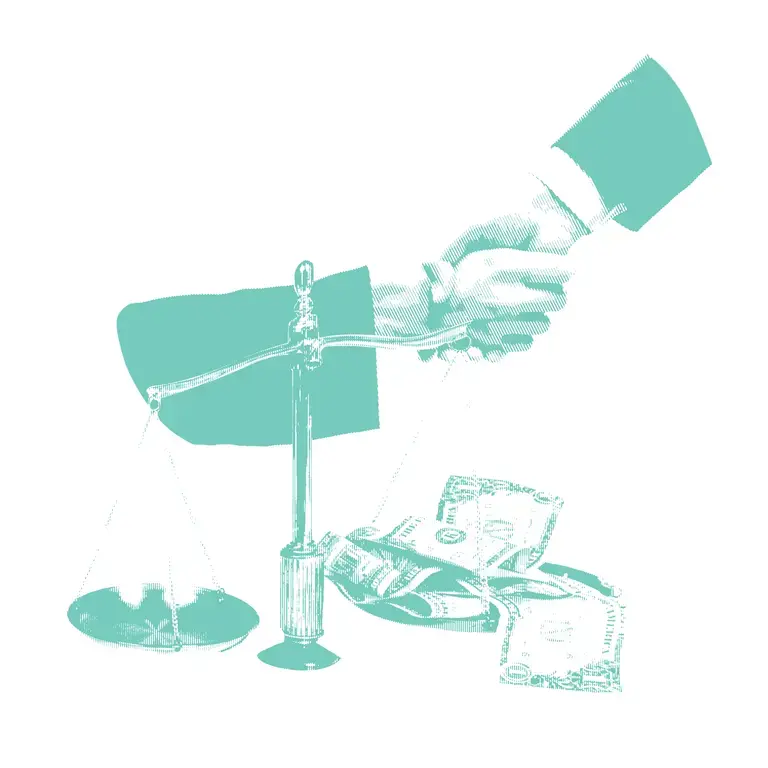
I knew a padded handshake could solve things in a country where [former president] Mobutu used to tell his citizens to "fend for themselves." But I also knew that when working with NGOs in Congo, you follow their lead — because without them, you've got nothing. On that morning, the International Rescue Committee refused to allow us to bribe the officers, and the officers were furious.
First, they demanded my camera. When it became clear to them that they'd first need to buy a saw to cut off my arm in order to get my camera, they decided to settle for my passport. I never let that out of my grip, either, so they decided they would settle for my tapes.