image
June 27, 2011 /
by Will Englund
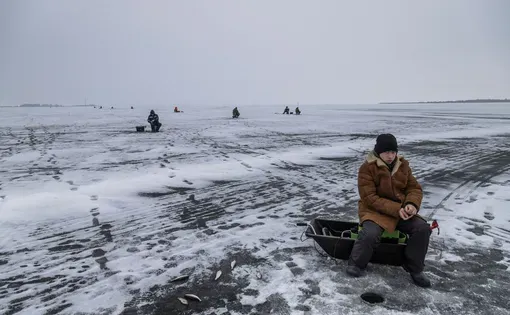
Twenty years in limbo: Nothing exemplified the collapse of the Soviet Union like the bloody fighting over Nagorno Karabakh, and today that enclave remains a source of bitterness and tension.
image
June 10, 2011 / Untold Stories
by Tom Parfitt
In the southwest corner of Russia, an Islamist insurgency has spread out of Chechnya into neighboring regions of the North Caucasus and is claiming hundreds of lives a year.
image
June 8, 2011 / Untold Stories
by Tom Parfitt
After years of conflict, Grozny, Chechnya is in the process of rebuilding itself, but President Ramzan Kadyrov's radical leadership could threaten the region's growth.
image
June 8, 2011 / Untold Stories
by Tom Parfitt
Recent violence from Islamic militants has worsened the already poor economical conditions in Nalchik and the surrounding villages in Kabardino-Balkaria.
image
June 8, 2011 / Untold Stories
by Tom Parfitt
Seven years after the Beslan siege of School Number One, members of the community still grieve the loss of the 400 people who were killed in the attack.
image
May 25, 2011 / Untold Stories
by Tom Parfitt
A special Dagestani government commission is actively working to lure young men away from local jihad groups known as boyeviki.
image
May 16, 2011 / Untold Stories
by Tom Parfitt
Outrage over 1940s Stalinist deportations permeates the collective memories of North Caucasus nations, fueling modern day conflicts in the region.
image
April 1, 2011 / Foreign Policy
by Tom Parfitt
At the front line in Russia's war on terrorism, it's a war not just of bullets and bombs, but of ideas; and it's a war the Kremlin appears to be losing.
The village of Danukh in highland Dagestan. Image by Tom Parfitt, Russia, 2008.
March 25, 2011 / Foreign Policy
by Tom Parfitt
A look at how samovar politics, mixed with rampant corruption, have helped turn Dagestan into the most deadly of Russia's North Caucasus republics.
Young men carry a portrait of Ramzan Kadyrov, head of Chechnya, during May 9 Victory Day celebrations in Chechnya. Image by Musa Sadulayev. Russia, 2009.
March 16, 2011 / Foreign Policy
by Tom Parfitt
Why is the Kremlin-imposed leader of this republic sounding so much like the militants he's meant to be cracking down on?
Ramzan Kadyrov (in red), the leader of Chechnya, plays in a friendly soccer match between Chechen players and a collection of Brazilian World Cup Winners in Grozny. Image: Musa Sadulayev, Russia, March 2011.
March 9, 2011 / The Guardian
by Tom Parfitt
Brazil greats including Romario and Dunga take on local team in game organized by Chechnya's colourful head Ramzan Kadyrov.
Dibikhan Pugoyeva, 39, in the office of the Mashr human rights group in Karabulak, Ingushetia, Russia.The board behind her shows pictures of people abducted in Ingushetia by security forces. Her son, Magomed Gorchkhanov, 17, was allegedly kidnapped in November 2010 and later found dead. Image: Tom Parfitt, Russia, February 2011.
March 8, 2011 / Foreign Policy
by Tom Parfitt
In Ingushetia, people have reason to fear Russia's shadowy security forces as much or more than the Islamist militants. Indeed, it has become one of the most unstable spots in the North Caucasus.
Svetlana Tsgoyeva, 69, in the ruins of the sports hall where her granddaughter, Zalina Albegova, nine, died along with hundreds of other hostages during the Beslan school siege in September 2004. Image by Tom Parfitt. Russia, 2011.
March 2, 2011 / Foreign Policy
by Tom Parfitt
What appears to be a religious war or an independence struggle in the Caucasus is, in reality, deep-seated ethinic conflict and hatred.

Pages