

Project
Water Wars: Ethiopia and Kenya
In Ethiopia and Kenya, dry seasons grow longer and tribal conflict over access to water is on the...


"Just breathe," I tell myself as I slowly shuffle up the dusty gravel path. "One breath with each step." I have a muddy yellow plastic can strapped to my back. It is filled with water and weighs 50 pounds, close to a third as much as I weigh. It is hard for me to walk, but I am trying to follow the cracked plastic sandals in front of me.
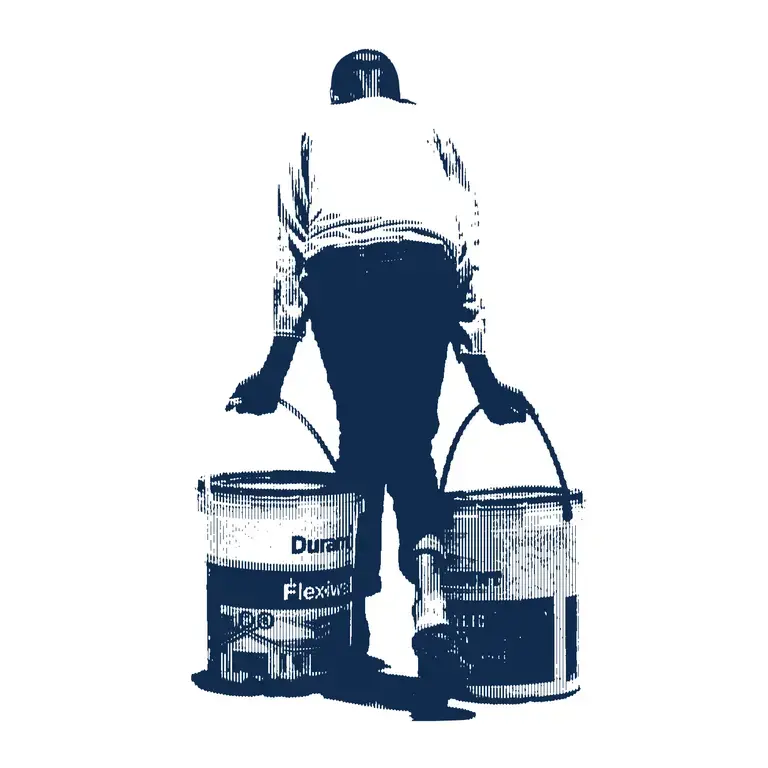
For one day, I am doing what millions of poor women around the world do every day: I am carrying water. Their families need water. And the only way they can get it is to hoist it on to their backs or heads in cans and jugs and buckets. It is a never ending job that in many countries takes up more of the day than anything else the women do.
I've joined a group of women from this tiny desert village in southern Ethiopia, one of the poorest countries in the world. The capital, Addis Ababa, a rapidly expanding city where steel and glass skyscrapers rise above acres of tin-roofed shanties, is 400 miles and 15 hours away by Land Cruiser over disintegrating asphalt and hard-packed dirt roads.
Read the full article at 1H2O.org